
Lost Baby Bear Reunited With Its Mother: Overview



Introduction
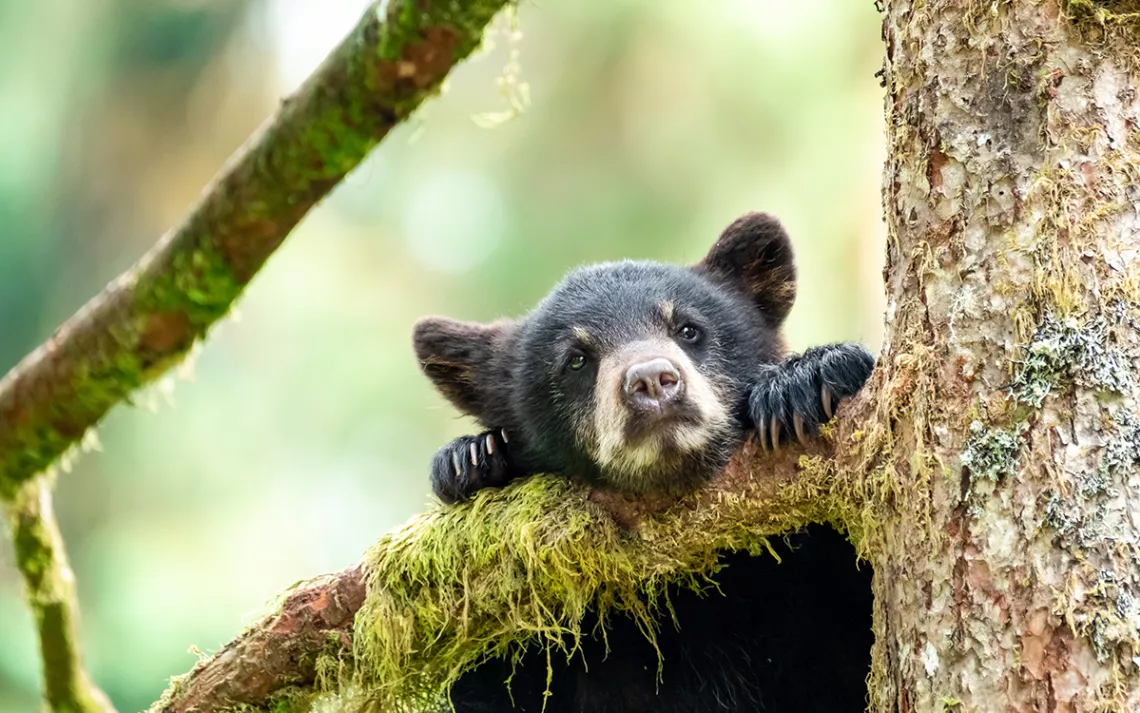
In the wild, survival can be challenging—especially for young animals. One of the most touching moments in nature is when a lost baby bear cub finally finds its way back to its mother. These emotional reunions remind us that strong family bonds exist not only among humans but throughout the animal kingdom.
Baby bears, also known as bear cubs, rely heavily on their mothers for protection, food, and guidance. When a cub becomes separated in the vast forest, it can be a frightening experience. However, nature often surprises us with beautiful moments of reunion and resilience.
Why Bear Cubs Depend on Their Mothers
Bear cubs are born extremely small and vulnerable. During the first months of life, they depend completely on their mother for survival.
Mother bears teach their cubs essential life skills such as:
- Finding food in the wild
- Climbing trees to escape danger
- Recognizing predators and threats
- Navigating the forest safely
Without their mother, a cub’s chances of survival are very low. That’s why reunions between a cub and its mother are such powerful moments in wildlife stories.
The Emotional Reunion in the Forest


Imagine a tiny cub wandering alone among towering pine trees, calling out softly. The quiet forest echoes with its cries.
Then suddenly, a familiar figure appears between the trees.
The mother bear, hearing her baby’s call, rushes toward the cub. The little bear runs as fast as its tiny paws can carry it.
Within seconds, they reunite. The cub presses against its mother’s thick fur while she gently nudges it with her nose. This moment of comfort and protection shows the deep maternal instinct that exists in wildlife.
Once reunited, the mother bear carefully guides her cub back into the forest where safety and learning await.
Why These Wildlife Moments Go Viral
Videos showing baby animals reunited with their mothers often go viral online. There are several reasons why people around the world love these moments:
🐾 They show pure emotion and instinct
🐾 They remind us of family bonds in nature
🐾 They highlight the beauty of wildlife
🐾 They inspire people to care about animal conservation
Heartwarming wildlife stories help viewers feel connected to nature and encourage respect for wild animals and their habitats.
Protecting Wildlife and Bear Families
As humans explore forests and natural parks, it’s important to respect wildlife habitats.
If you ever encounter a bear cub in the wild:
⚠️ Never approach it
⚠️ Avoid feeding or touching wildlife
⚠️ Leave the area calmly
Most of the time, the mother bear is nearby and will return to protect her cub.
Respecting wildlife ensures that animals can live naturally and safely in their environment.
Frequently Asked Questions (FAQ)
Why do baby bears sometimes get separated from their mothers?
Bear cubs may wander away while exploring, climbing trees, or following scents in the forest. However, mother bears usually stay nearby and quickly reunite with them.
How long do bear cubs stay with their mothers?
Most bear cubs remain with their mothers for about 1.5 to 2 years while they learn survival skills.
Are mother bears protective of their cubs?
Yes. Mother bears are extremely protective and will defend their cubs from predators and threats.
What should you do if you see a bear cub alone?
You should leave the area immediately and quietly, because the mother is likely nearby.
Why do wildlife reunion videos become so popular?
These moments show genuine emotion, survival instincts, and the strong bond between mothers and their babies.
Final Thoughts
The story of a lost baby bear reunited with its mother is more than just a cute wildlife moment—it’s a reminder of how powerful family bonds are in nature.
These touching scenes help people appreciate the beauty of wildlife and encourage us to protect the forests where these incredible animals live.
🌿 Nature always finds a way to bring families back together.