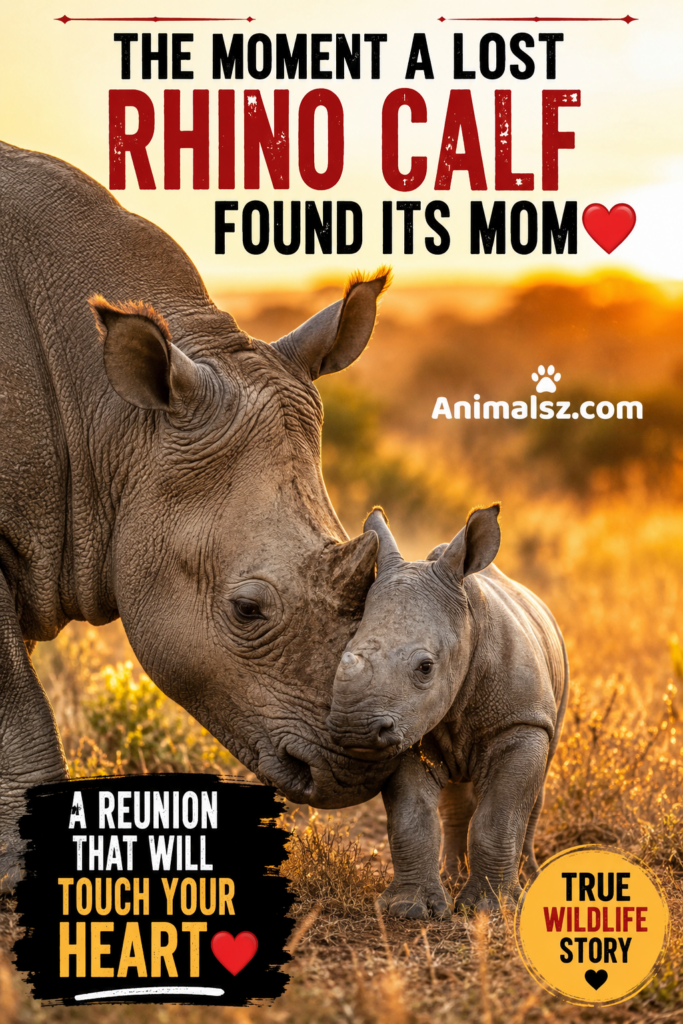
Rhino Calf Reunited With Its Mother: An Incredible Wildlife Success Story


A rhino calf becoming separated from its mother is one of the most dangerous situations a young rhinoceros can face. Fortunately, conservation teams, wildlife reserves, and dedicated rangers around the world have helped reunite countless rhino calves with their mothers, giving these endangered giants another chance to thrive in the wild.
This inspiring story highlights the remarkable bond between a rhino mother and her calf, the incredible work of wildlife conservationists, and why protecting rhinos is more important than ever.
Why the Mother-Calf Bond Is So Important
Rhino mothers are among the most protective parents in the animal kingdom. A calf remains with its mother for approximately two to four years, depending on the species. During this time, the calf learns everything necessary for survival, including:
- Finding food
- Locating water sources
- Recognizing predators
- Navigating its territory
- Social behaviors
- Safe travel routes
Without its mother, a young rhino has little chance of surviving in the wild.
Images: Mother Rhino and Calf


The close relationship between a mother rhino and her calf is easy to recognize. Calves usually stay close behind or beside their mothers, using them as both protection and guidance.
The Moment the Calf Became Lost
Early one morning on the African savanna, a curious rhino calf wandered away while its mother grazed among tall grasses.
At first, the calf explored nearby bushes and mud pools, unaware that it was moving farther from its mother. Soon, the landscape became unfamiliar.
The little rhino stopped.
It sniffed the air.
Its ears twitched.
Then came silence.
The calf realized its mother was gone.
Young rhinos rely heavily on scent and sound. When separated, they become confused and stressed, often calling out while searching in circles.
Every minute alone increases the danger from predators, dehydration, accidents, or human threats.
Why Rhino Calves Become Separated
Several factors can separate calves from their mothers:
Dense Vegetation
Tall grasses can block visibility.
Panic During Predator Encounters
Although adult rhinos fear few predators, lions may target young calves.
Floods
Heavy rains may separate families.
Human Disturbance
Vehicles, loud noises, or illegal activities may interrupt natural movements.
Poaching Activity
Poachers remain one of the greatest threats to rhinos, often creating chaos that separates calves from mothers.
Images: African Savanna Habitat


Healthy grasslands are essential for rhino survival.
Rangers Begin the Search
Experienced wildlife rangers carefully observed the calf from a distance.
Instead of chasing it, they monitored its movements while searching for signs of the mother.
They looked for:
- Fresh footprints
- Feeding areas
- Mud wallows
- Broken vegetation
- Dung piles
- Vocal calls
Modern conservation teams may also use:
- Drones
- GPS tracking
- Radio collars
- Camera traps
- Thermal imaging
These tools improve the chances of successful reunions while minimizing stress on the animals.
A Mother’s Determination
At the same time, the mother rhino was searching tirelessly.
Rhino mothers possess excellent hearing and a strong sense of smell.
She repeatedly called to her calf using deep vocalizations.
She checked familiar paths.
She sniffed fresh tracks.
She refused to give up.
Mother rhinos display remarkable persistence until their calves are found.
The Emotional Reunion
Eventually, the calf heard its mother’s familiar call.
Its ears perked up instantly.
It began running through the grass.
Moments later, the massive mother appeared.
The calf rushed toward her.
The mother gently nudged her baby with her horn and nose.
She circled the calf protectively before walking beside it once again.
The reunion was calm, affectionate, and filled with unmistakable relief.
Watching such reunions reminds us that wild animals experience strong family bonds and emotional connections.
Images: Emotional Reunion


Meet the World’s Five Rhino Species
1. White Rhino
The largest rhino species and primarily a grazer.
2. Black Rhino
Smaller, more aggressive, and feeds on shrubs.
3. Indian Rhino
Known for its armor-like skin folds.
4. Javan Rhino
One of the rarest mammals on Earth.
5. Sumatran Rhino
The smallest and hairiest living rhino.
Why Rhinos Matter
Rhinos are ecosystem engineers.
They:
- Shape grasslands
- Spread seeds
- Create habitats for smaller animals
- Maintain biodiversity
- Support healthy ecosystems
Protecting rhinos benefits countless other species.
Biggest Threats Facing Rhinos
Poaching
Illegal horn trafficking remains the greatest threat.
Habitat Loss
Expanding agriculture reduces available habitat.
Climate Change
Changing rainfall patterns affect food and water availability.
Human-Wildlife Conflict
Growing human populations increase encounters.
Low Population Numbers
Small populations reduce genetic diversity.
Amazing Rhino Facts
- Rhinos have existed for over 50 million years.
- Their horns are made of keratin, the same material as human fingernails.
- White rhinos can weigh over 5,000 pounds (2,300 kg).
- A rhino can run up to 34 mph (55 km/h).
- Calves usually weigh between 90–140 pounds (40–65 kg) at birth.
- Rhinos communicate through vocalizations, scent, and body language.
- Their hearing and sense of smell are excellent.
- They enjoy rolling in mud to cool off and protect their skin.
How Conservation Is Helping
Around the world, conservation organizations are:
- Protecting wildlife reserves
- Monitoring rhino populations
- Removing poaching snares
- Training anti-poaching units
- Restoring habitats
- Educating local communities
- Using advanced tracking technology
- Supporting breeding programs
These efforts have helped stabilize or increase some rhino populations.
How You Can Help Rhinos
- Support accredited wildlife conservation organizations.
- Never purchase products made from rhino horn.
- Visit ethical wildlife reserves.
- Share educational content about rhino conservation.
- Teach children about endangered species.
- Reduce your environmental impact.
- Donate to trusted conservation programs.
- Encourage governments to strengthen wildlife protection.
Frequently Asked Questions (FAQ)
What do baby rhinos eat?
They drink their mother’s milk for several months before gradually eating grasses, leaves, and other vegetation.
How long do rhino calves stay with their mothers?
Typically between two and four years.
Can rhino mothers recognize their calves?
Yes. They identify them using scent, vocalizations, and close physical contact.
Are rhinos endangered?
Several rhino species are endangered or critically endangered due to poaching and habitat loss.
How fast can a rhino run?
Adult rhinos can reach speeds of approximately 34 mph (55 km/h).
Why do rhinos roll in mud?
Mud cools their bodies, protects their skin from the sun, and helps keep insects away.
What should you do if you see a wild rhino?
Maintain a safe distance, stay quiet, and never attempt to approach or feed the animal.
Why are rhino horns valuable to poachers?
Demand in illegal wildlife markets has driven poaching, even though rhino horn has no scientifically proven medicinal benefits.
How many rhino species exist?
There are five living species: White, Black, Indian, Javan, and Sumatran rhinos.
Can separated rhino calves survive alone?
Young calves face significant risks without their mothers. Prompt reunions or professional intervention greatly improve survival chances.
Final Thoughts
The reunion of a rhino calf with its mother is a powerful reminder of the resilience of wildlife and the dedication of conservationists working to protect endangered species. Every successful reunion represents hope—not only for one family but for the future of rhinos around the world.
By supporting conservation, spreading awareness, and respecting wildlife, we can help ensure that future generations continue to witness these extraordinary moments in nature.
Have you ever witnessed an unforgettable wildlife rescue or reunion? Share your favorite story in the comments below!