
Top 10 Animals That Mimic Other Animals
Nature isn’t just about strength or speed — sometimes, acting like something else is the ultimate survival skill.
Across forests, oceans, and jungles, some animals survive by copying the look, movement, or even the sound of other creatures.
Below are the Top 10 animals that mimic other animals, ranked from 10 to 1, with jaw-dropping examples of deception in the wild.
10. Caterpillar That Looks Like a Snake


This harmless caterpillar suddenly inflates its head and reveals terrifying fake snake eyes. Predators freeze or flee, giving the caterpillar a chance to escape — without ever biting anyone.
9. Ant-Mimicking Spider


This spider lives among ants by walking like them and waving its front legs like antennae. By blending into one of nature’s most aggressive groups, it avoids predators completely.
8. Viceroy Butterfly (Monarch Copycat)


Birds avoid monarch butterflies because they’re toxic. The viceroy isn’t nearly as poisonous — but it looks close enough to fool predators every time.
7. Owl Butterfly


When threatened, this butterfly flashes giant owl-like eyes on its wings. Birds mistake it for a predator and retreat instantly.
6. Milk Snake (Coral Snake Mimic)

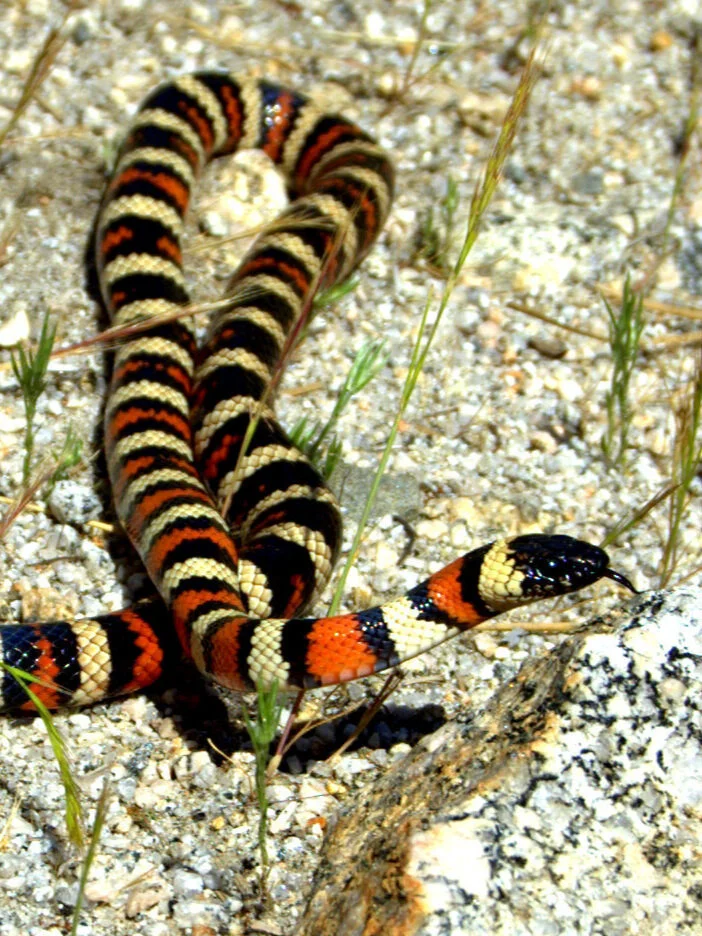
Bright warning colors scream danger in nature. The milk snake copies the deadly coral snake’s pattern so well that predators don’t risk finding out the difference.
5. Leaf-Tailed Gecko


With skin shaped like torn leaves and bark, this gecko becomes nearly invisible. Even when staring directly at it, predators often see nothing at all.
4. Mimic Octopus


This octopus can imitate multiple animals — lionfish, sea snakes, and flatfish — changing shape, movement, and posture in seconds.
3. Orchid Mantis


Looking like a beautiful flower, this mantis waits patiently for insects searching for nectar — then strikes in milliseconds.
2. False Cleanerfish
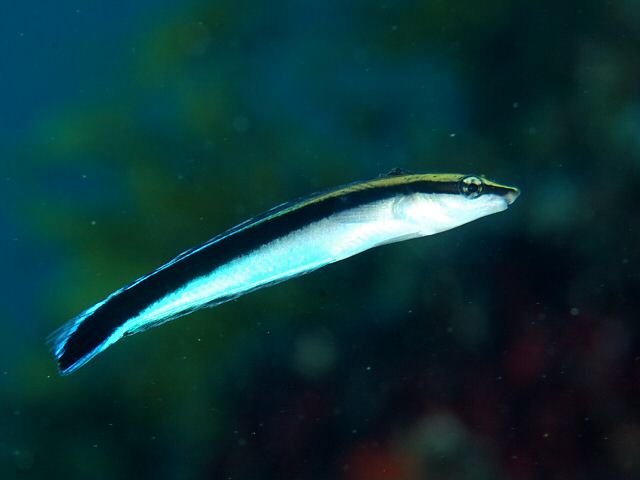

While real cleanerfish remove parasites, this impostor pretends to help — then takes a bite and escapes before its victim reacts.
1. Lyrebird (The Ultimate Mimic)


The lyrebird doesn’t just mimic animals — it copies chainsaws, camera shutters, car alarms, and human noises with shocking accuracy. Nothing else in nature comes close.
🧠 Why Animal Mimicry Is So Powerful
Mimicry helps animals:
- Avoid predators
- Hunt more efficiently
- Live safely among dangerous species
- Survive without strength or speed
In the wild, deception can be more powerful than teeth or claws.
❓ Frequently Asked Questions (FAQ)
What is animal mimicry?
Animal mimicry is when a species evolves to copy the appearance, behavior, or sounds of another species to survive.
Why do animals mimic other animals?
To avoid predators, trick prey, or gain protection by looking dangerous or unappetizing.
Are mimic animals actually dangerous?
Most are harmless. They survive because predators think they’re dangerous.
What’s the difference between camouflage and mimicry?
Camouflage helps animals blend into the environment. Mimicry involves copying another living creature.
Which animal is the best mimic in the world?
The lyrebird is considered the best overall mimic because it can copy an enormous range of natural and artificial sounds.
Can humans detect mimic animals easily?
Often no — many mimic species fool even trained scientists at first glance.
📌 Final Thought
Nature proves again and again that survival isn’t about being the strongest —
sometimes it’s about being the best actor.
👉 Which animal fooled you the most?