
🐾 Top 10 Animals That Form Emotional Bonds (list)
Animals are far more emotionally intelligent than many people realize. Beyond instinct and survival, many species form deep emotional bonds—with their partners, families, friends, and even humans. These bonds are built on trust, memory, empathy, and loyalty, and in some cases last a lifetime.
In this article, we explore the Top 10 animals that form the strongest emotional bonds, ranked from Number 10 to Number 1, based on real animal behavior observed by scientists, wildlife experts, and researchers.
🟡 Number 10: Pigeons – Loyal Partners for Life


Pigeons may seem ordinary, but emotionally, they are extraordinary. These birds are monogamous and often stay with the same partner for life. Once bonded, pigeon pairs spend hours together preening, nesting, and caring for their young.
What makes pigeons special is their memory and recognition. They can recognize their partner even in large flocks and will return to the same mate day after day. If separated, pigeons often show distress and actively search for their bonded partner.
🟡 Number 9: Wolves – Family Above All
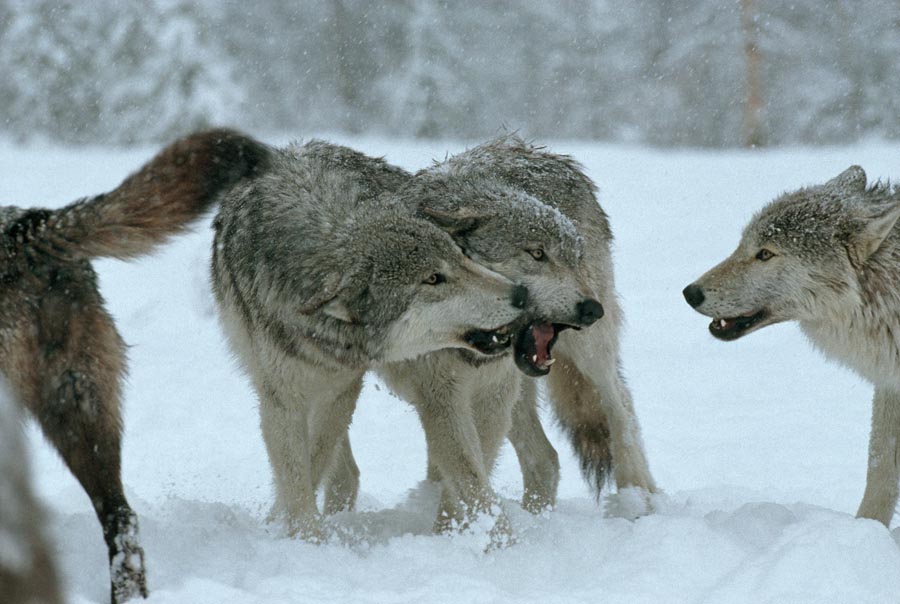


Wolves don’t just live in packs—they live in families. Each pack is built around strong emotional relationships, cooperation, and trust. Wolves raise pups together, share food, and protect injured or elderly members.
When a wolf dies, pack members have been observed mourning, becoming quieter and less active. Their bonds are so strong that separation can cause anxiety and behavioral changes.
🟡 Number 8: Horses – Deep Friendships and Trust
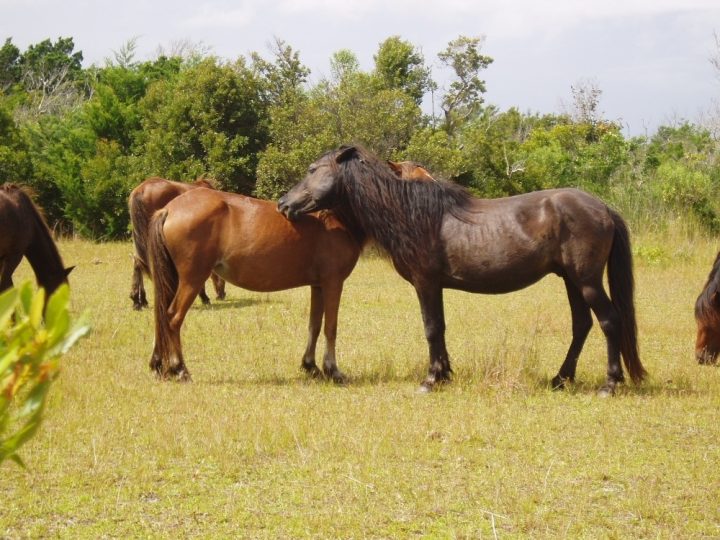


Horses form powerful emotional bonds with both other horses and humans. In the wild, horses rely on close companions for safety and comfort. Bonded horses often graze together, sleep near each other, and groom one another.
When separated from a bonded companion, horses may show stress, pacing, and vocalization, clear signs of emotional attachment rather than simple habit.
🟡 Number 7: Penguins – Devotion in the Harshest Conditions

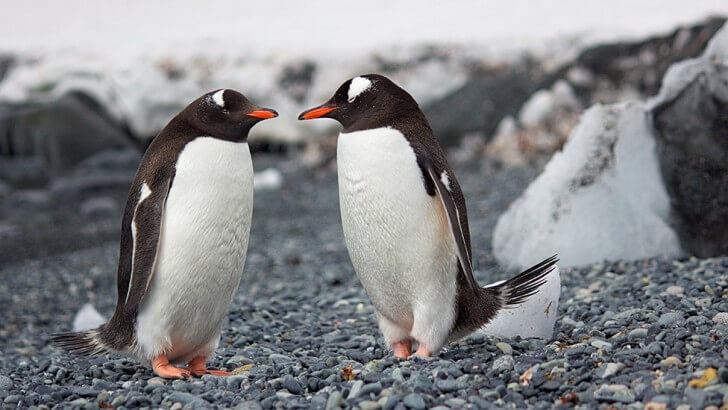

Penguins are famous for their romantic bonding rituals. Many species choose one mate and stay together for years, sometimes for life. A male penguin often presents a pebble to a female as a symbol of commitment.
They share parenting responsibilities equally and remain loyal even in massive colonies. Their emotional bond helps them survive some of the harshest environments on Earth.
🟡 Number 6: Cats – Quiet but Powerful Bonds


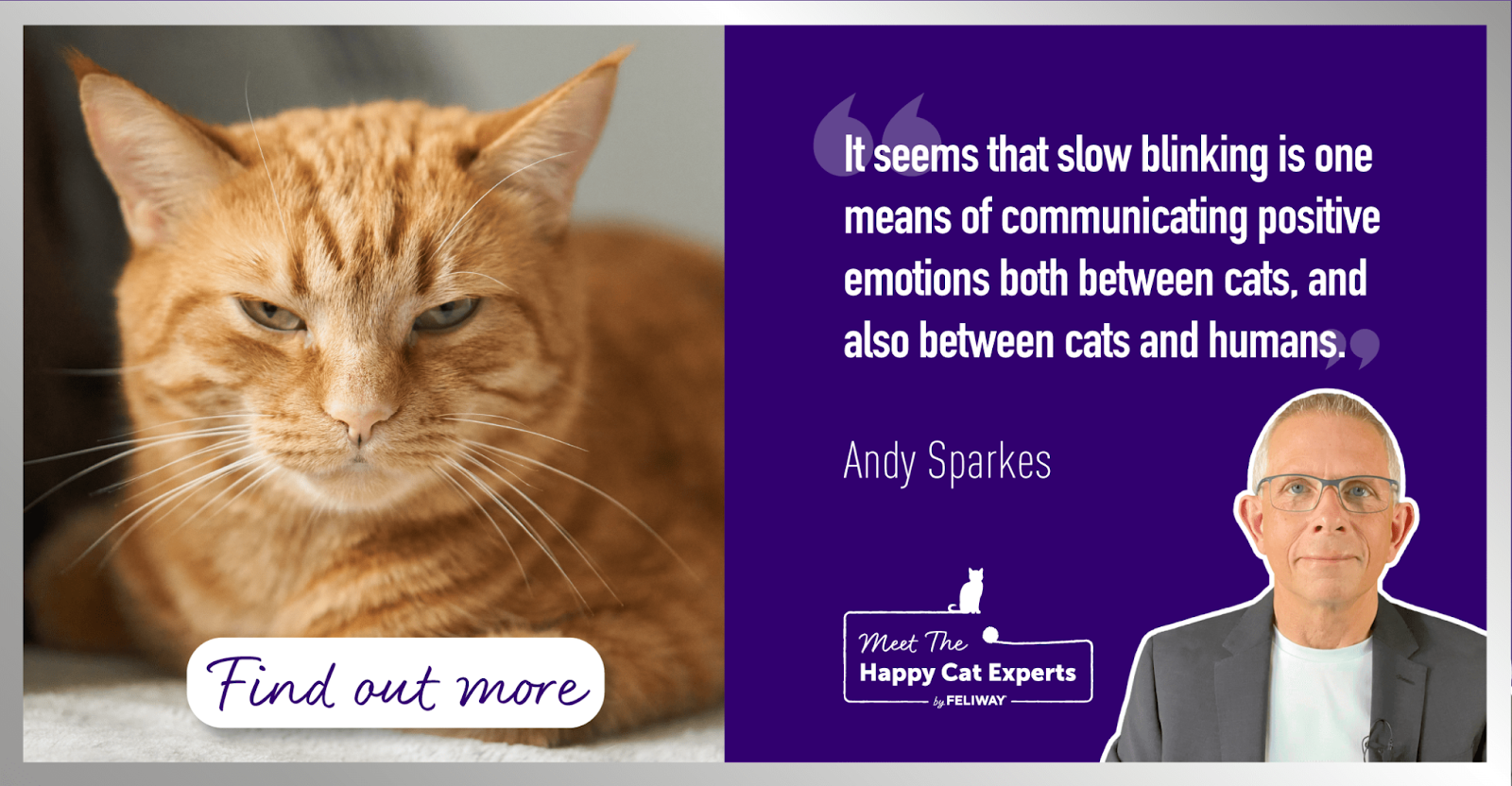
Cats may be independent, but that doesn’t mean they lack emotional attachment. Cats form selective but deep bonds, often choosing one person they trust most.
They show affection through purring, slow blinking, following their human around, and sleeping close. Studies show cats recognize their owner’s voice and experience stress when separated, proving their emotional connection is real.
🟡 Number 5: Dogs – Unconditional Love


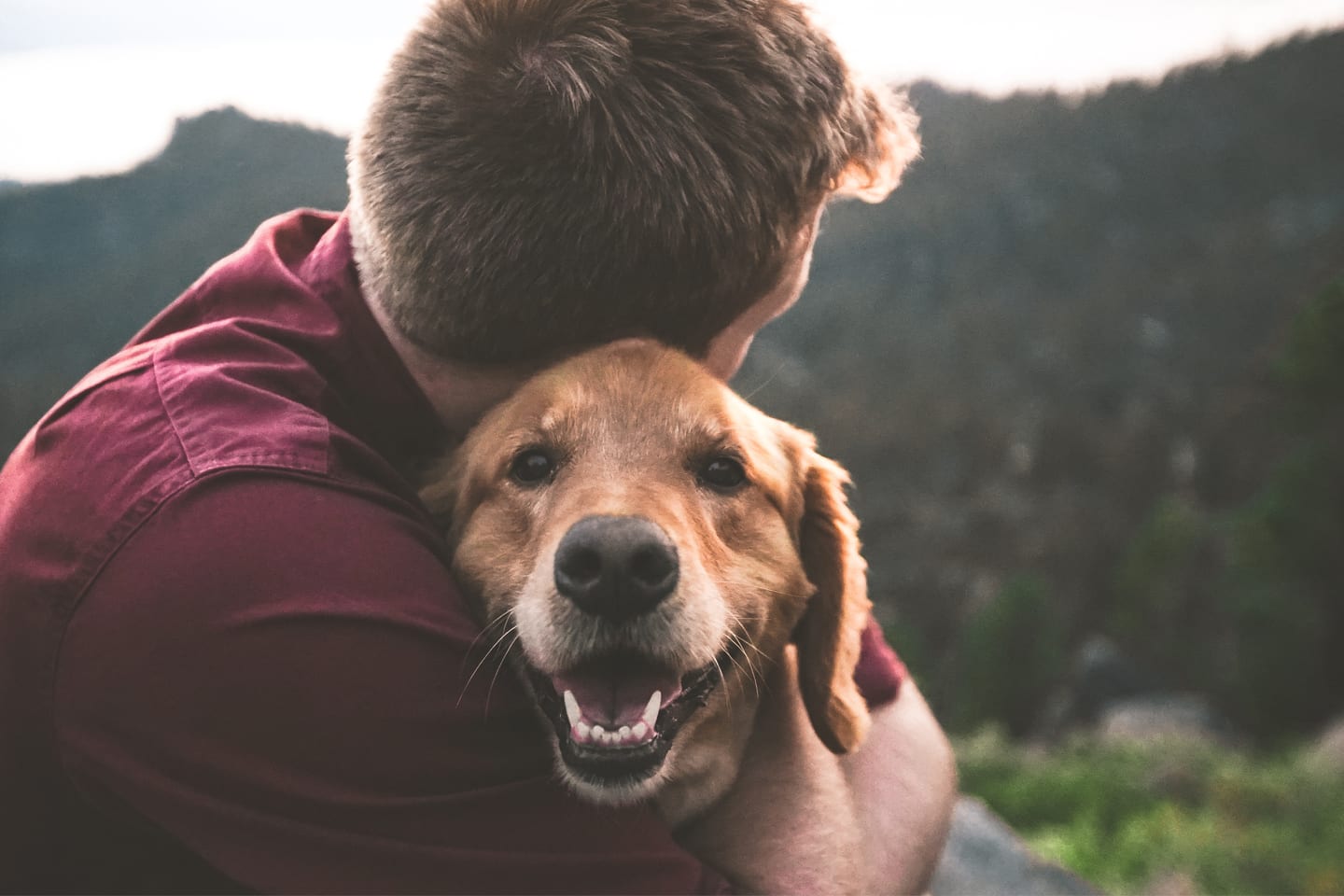
Dogs are widely recognized as one of the most emotionally bonded animals to humans. They evolved alongside us and developed the ability to read human emotions, facial expressions, and tone of voice.
Dogs feel joy during reunions, sadness during separation, and comfort their humans during stress. Their loyalty is not learned—it is emotional.
🟡 Number 4: Parrots – Intelligent and Emotionally Dependent


Parrots are among the most emotionally complex birds. Many species form lifelong pair bonds and rely heavily on their partner for emotional stability.
When separated, parrots can experience depression, stop eating, or engage in self-harming behaviors. Their emotional depth is closely tied to their high intelligence.
🟡 Number 3: Elephants – Empathy and Memory
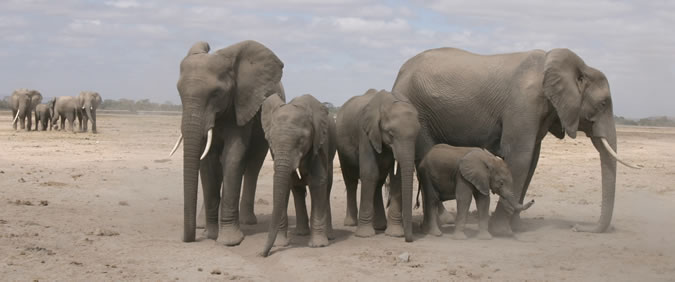


Elephants are known for their remarkable empathy. They form tight family units, comfort distressed members, and show signs of grief when a loved one dies.
Elephants remember individuals for decades and recognize friends even after years of separation. Their emotional bonds are among the strongest in the animal kingdom.
🟡 Number 2: Dolphins – Lifelong Friendships


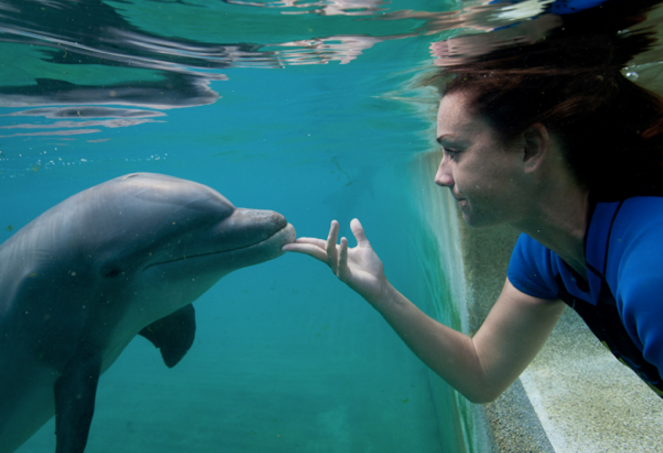
Dolphins form long-term friendships that can last decades. They cooperate, play, communicate, and protect each other from danger.
In many documented cases, dolphins have supported injured companions at the surface so they could breathe. This level of empathy is rare outside humans.
🟡 Number 1: Chimpanzees – Emotional Bonds Like Ours


Chimpanzees take the top spot for emotional bonding. They form deep friendships, comfort distressed companions, hug, groom, and even reconcile after conflicts.
They experience joy, sadness, empathy, and grief in ways strikingly similar to humans. Their emotional intelligence makes them the closest mirror of our own social bonds.
❤️ Final Thoughts
Emotional bonding isn’t unique to humans. Across the animal kingdom, love, loyalty, empathy, and connection play a vital role in survival and well-being.
Understanding these bonds helps us respect animals not just as creatures—but as feeling beings.
❓ Frequently Asked Questions (FAQ)
Do animals really feel emotions?
Yes. Scientific studies confirm many animals experience emotions such as joy, fear, empathy, and grief.
Which animal forms the strongest emotional bond with humans?
Dogs are considered the strongest human-bonded animals due to evolution and social behavior.
Do wild animals bond like pets do?
Yes. Wolves, elephants, dolphins, and chimpanzees form deep emotional bonds within their groups.
🔔 Enjoyed this article?
Share it with other animal lovers, and explore more emotional animal stories on our blog 🐾
Just tell me what’s next 🚀