
The Samoyed Overview
If you’ve ever seen a dog that looks like a walking, smiling marshmallow, you’ve likely encountered a Samoyed. Known for their iconic “Sammy smile,” these stunning Arctic dogs are as friendly as they are fluffy.
But beneath that legendary white double coat lies the heart of a tireless working dog. In this guide, we’ll explore everything you need to know about owning a Samoyed—from managing their “snow-like” shedding to understanding their unique needs as high-energy companions.
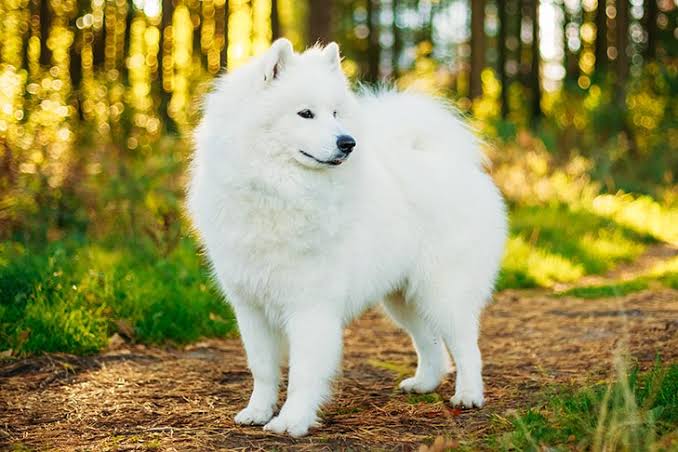
Origin and History: From Siberia to Your Living Room
The Samoyed isn’t just a pretty face; they are a breed forged by survival. Originating in ancient Siberia, they were developed by the Samoyede people as versatile multipurpose workers.
Their job description was demanding:
- Sled Pulling: They moved supplies across vast, frozen tundras.
- Reindeer Herding: They kept herds together and protected them from predators.
- Human Companionship: They slept with their families in tents, providing crucial warmth during sub-zero Arctic nights.
This deep history of living in tight-knit groups with humans is exactly why modern Samoyeds are so socially responsive and affectionate today—they are hardwired to be part of the family “pack”.
Temperament: Why They Are the Ultimate Family Dog
Samoyeds are famous for being “people dogs”. While some breeds are loyal to one person, the Samoyed tends to love everyone they meet.
The “Sammy Smile”
The upturned corners of their mouth aren’t just for show—they serve a functional purpose. The shape prevents drooling, which keeps icicles from forming on their faces in freezing temperatures. In a modern home, it just makes them look perpetually happy and welcoming.
Are They Good with Kids and Pets?
- Children: Generally, yes. They are gentle and patient, though their energetic nature means they should be supervised with toddlers to prevent accidental knocking over.
- Other Pets: They typically get along well with other dogs. However, they retain a strong hunting instinct, so small animals (cats or squirrels) might be seen as “fair game” if not raised with them.
Grooming & Shedding: Taming the Arctic Cloud
Let’s be honest: Samoyeds are heavy shedders. If you want a pristine, fur-free house, this may not be the breed for you. Their double coat consists of:
- A dense, wooly undercoat: For insulation.
- Longer guard hairs: To repel moisture and dirt.
Survival Tips for Shedding Season
- The “Blow-Out”: Two or three times a year, they “blow” their coat, shedding an incredible amount of undercoat.
- High-Velocity Dryer: Many owners swear by a professional-grade pet dryer to blast loose fur out of the undercoat. Do this outside—it will look like it’s snowing!
- Brush Daily: During shedding season, daily brushing with a slicker brush is non-negotiable to prevent painful matting.
- Garment Care: Keep lint rollers and rubber-bristle garment brushes stationed in every room.
Health and Longevity
Samoyeds are generally robust, healthy dogs with a lifespan of 12 to 14 years. However, like all purebreds, they are prone to specific genetic conditions that responsible breeders will screen for.
- Hip Dysplasia: Common in medium-to-large breeds; screening parents’ hips is essential.
- Progressive Retinal Atrophy (PRA): A degenerative eye disease that leads to blindness.
- Samoyed Hereditary Glomerulopathy (SHG): A serious, inherited kidney disease more common in males.
- Diabetes & Heart Issues: Maintaining a healthy weight and diet is crucial for prevention.

Activity Needs: The Working Dog at Home
If you don’t give a Samoyed a job, they will invent one—and you likely won’t like the results (think: shredded pillows or dug-up gardens).
- Exercise: They need at least 1–2 hours of active movement daily. This includes brisk walks, jogging, or fetch.
- Mental Stimulation: Because they are intelligent, puzzle toys, obedience training, and agility courses are vital to keep them mentally satisfied.
- Heat Sensitivity: Because of their thick coats, never over-exercise them in hot weather. They are built for the cold and can overheat quickly.
Frequently Asked Questions (FAQ)
1. Are Samoyeds hypoallergenic?
No. While they shed less “dander” than some breeds, they are heavy shedders and release large amounts of hair and dander into the environment. They are generally not recommended for people with severe dog allergies.
2. Can Samoyeds live in apartments?
It is difficult but possible if you are a highly active owner. They are vocal dogs and can become destructive if bored, so apartment living requires a dedicated commitment to outdoor exercise.
3. Do Samoyeds bark a lot?
Yes. They are vocal dogs and use their voice to communicate, alert their family, or express boredom. Early training can help manage “attention barking,” but they will always be a somewhat talkative breed.
4. How often should I bathe my Samoyed?
Surprisingly, not often! Their coat is dirt-repellent. Bathing them every 6–8 weeks is usually sufficient, provided you brush them regularly to remove debris. Always ensure they are completely dried after a bath to prevent skin irritation.
5. Are they good guard dogs?
They are excellent watchdogs because they are alert and will bark at strangers, but they are terrible guard dogs because they are too friendly to actually be aggressive.
Is the Samoyed Right for You?
The Samoyed is a magnificent, loyal, and joyous companion for the right family. If you embrace the vacuuming, love the outdoors, and want a “shadow” who will follow you everywhere, you’ll find no better friend than a Sammy.

Ready to bring one home? Always look for a breeder who performs health screenings (OFA/CHIC) and be prepared to wait for the right puppy—a healthy, well-socialized Samoyed is worth every bit of the effort.
iThe Samoyed Puppy Guide: Costs, Adoption, and Finding Your “Smiling” Companion
Bringing a Samoyed into your home is an invitation to joy, endless fluff, and the iconic “Sammy smile.” However, because these Arctic dogs are a significant emotional and financial commitment, finding the right source is just as important as preparing your home for their arrival.
Whether you are looking to purchase a puppy from a reputable breeder or hoping to provide a forever home through rescue, this guide covers everything you need to know about the acquisition process in 2026.
1. Samoyed Price: What to Expect
The cost of a Samoyed varies significantly based on lineage, breeder reputation, and whether the dog is a “pet quality” or “show quality” puppy.
Purchase Price Breakdown
- Reputable Breeder: Expect to pay between $2,000 and $5,000 for a healthy, well-bred puppy. Prices on the lower end ($800–$1,500) are rare for ethical breeders and should be approached with caution, as they may indicate a lack of necessary health screenings.
- Adoption/Rescue: Fees typically range from $150 to $400. This cost usually covers vaccinations, microchipping, and spay/neuter surgery, making it a much more economical option.
Initial “New Puppy” Setup Costs
Beyond the purchase price, prepare to invest $900–$2,070 in initial supplies and veterinary care to get your puppy settled:
- Essential Gear: Crate, quality harness, leash, and grooming tools (slicker brush, metal comb).
- Health: Initial vet wellness exam, puppy vaccinations, and microchipping.
- Training: Professional puppy obedience classes are highly recommended for this intelligent, high-energy breed.
2. Buying from a Reputable Breeder
A “reputable” breeder does more than just sell puppies; they act as a mentor for the life of your dog.
The Breeder Checklist
When vetting a potential breeder, ensure they prioritize health and temperament over profit. A responsible breeder will:
- Perform OFA/CHIC Health Testing: They should provide documented proof that both parents have been screened for hip dysplasia, eye disorders (like glaucoma), and heart conditions.
- Encourage Visits: You should be allowed to meet the mother (and sometimes the father) and see the environment where the puppies are raised.
- Offer Lifetime Support: They will have a contract requiring you to return the dog to them if you can no longer care for it, ensuring the dog never ends up in a shelter.
- Ask Questions: A good breeder will interview you to ensure a Samoyed fits your lifestyle, fenced yard availability, and activity level.
Warning: Avoid online “puppy mills” or classified ads with suspiciously low prices. If a breeder cannot show you health certificates or refuses to let you see the puppies’ living conditions, walk away.
3. Adopting a Samoyed
If you are open to adult dogs, adoption is a rewarding way to find a companion. While purebred Samoyed puppies in shelters are rare, breed-specific rescues are excellent resources.
Where to Look for Rescues
- Y-Not Save a Sam: A dedicated non-profit that rescues Samoyeds regardless of age, health, or geography.
- MidAtlantic Samoyed Rescue: Focused on providing veterinary care and fostering until a permanent home is found.
- Regional Breed Clubs: Contact local Samoyed clubs; they often maintain waiting lists or know of members helping with rescue efforts.
Frequently Asked Questions (FAQ)
1. Is a Samoyed more expensive than other breeds?
Yes, generally. Due to their “medium-to-large” size, high-quality grooming needs, and susceptibility to specific genetic health issues (like hip dysplasia), their lifetime cost—estimated at $22,470–$32,100—is higher than many mixed-breed dogs.
2. How much should I budget for monthly expenses?
Expect to spend $50 to $500 per month. This includes high-quality food, monthly preventatives (heartworm/flea), pet insurance premiums, and occasional professional grooming or boarding.
3. Do rescue Samoyeds have behavioral issues?
Most rescue Samoyeds are surrendered due to human lifestyle changes (moving, divorce, lack of time) rather than behavioral problems. Many are already house-trained and well-socialized, making them excellent family pets.
4. Why are health screenings so important?
Samoyeds are prone to hereditary conditions like Samoyed Hereditary Glomerulopathy (SHG) and hip dysplasia. Buying from a breeder who screens for these can save you thousands in emergency surgery costs later in the dog’s life.
5. At what age can I bring a puppy home?
Reputable breeders and ethical standards mandate that puppies remain with their mother and littermates for at least 8 weeks to ensure proper social development.
To prepare your home for a high-energy Samoyed puppy, you must focus on three areas: confinement (to manage their boundless curiosity), deterrence (to protect your belongings from teething), and mental engagement (to redirect their working-breed energy).
Here is your essential puppy-proofing checklist.
1. Confinement & Safety Boundaries
Samoyeds are intelligent and can easily jump or climb as they mature. Standard baby gates often won’t cut it.
- Tall, Pressure-Mounted Gates: Invest in gates at least 32–36 inches high for doorways and staircases. Avoid plastic accordion-style gates, which a persistent Samoyed can chew through or knock over.
- Sturdy Exercise Pen (X-Pen): A foldable, metal 8-panel pen is essential. It creates a “safe zone” where your puppy can play or nap when you cannot supervise them, preventing them from roaming and getting into trouble.
- Heavy-Duty Crate: Choose a wire crate with a divider panel. This allows you to adjust the size as your puppy grows, which is critical for successful housebreaking.
2. Destruction Prevention (Teething & Boredom)
Samoyeds are notorious for “oral exploration.” If it’s on the floor, it’s a chew toy to them.
- Bitter Apple Spray: Apply this to table legs, baseboards, and any furniture corners that catch their eye. It is non-toxic and tastes terrible to puppies, effectively teaching them what not to mouth.
- Cable Protectors: Use plastic cord covers or PVC conduit for any exposed electrical wires. A puppy’s sharp teeth can pierce power cords in seconds, creating a severe electrocution hazard.
- Heavy-Duty Toy Rotation: Because Samoyeds are smart, they get bored quickly. Have a variety of textures available:
- Rubber Chews (e.g., Kong): Nearly indestructible and can be stuffed with food to keep them busy for 30+ minutes.
- Rope Toys: Great for supervised tug-of-war, which helps burn off excess energy.
- Nylon Chew Bones: To satisfy their urge to gnaw without creating a mess of wood splinters.
3. Cleaning & Environmental Management
Even with the best training, accidents will happen.
- Enzymatic Cleaner: Standard household cleaners just mask odors. You must use an enzymatic formula (like Nature’s Miracle) to break down the proteins in urine; otherwise, the puppy will be able to smell the “potty spot” and return to it repeatedly.
- High-Capacity Vacuum: Given the Samoyed’s double coat, your floors will soon be covered in fluff. A vacuum with a HEPA filter and a dedicated “pet hair” upholstery attachment is a non-negotiable long-term investment.
4. The “Energy Sink” Essentials
A tired puppy is a well-behaved puppy. Provide these to keep their brain occupied:
- Snuffle Mats: Hide dry kibble in the fabric folds. This mimics natural foraging behavior and provides 10–15 minutes of intense mental focus.
- Slow-Feeder Bowls: If your Samoyed eats too fast (which can lead to bloat), a maze-style bowl forces them to “work” for their meal.
Quick Puppy-Proofing Walkthrough
Before bringing your puppy home, get down on your hands and knees and view the room from their perspective:
| Hazard | Action |
| Loose Cords | Tie them up or cover with protective plastic tubing. |
| Houseplants | Remove or elevate (many common plants like Lilies and Pothos are toxic). |
| Small Objects | Clear off low shelves (socks, chargers, remote controls are “Sammy magnets”). |
| Cleaning Supplies | Move all chemicals to high cabinets or install child-proof latches. |
i
For a high-energy, intelligent working breed like the Samoyed, training serves two purposes: immediate physical safety and mental engagement. Since Samoyeds are independent thinkers, you must establish yourself as a consistent leader early on using positive reinforcement.
Here are the three foundational commands to prioritize for your puppy’s safety and long-term obedience.
1. “Recall” (The “Come” Command)
Why it matters: This is a life-saving command. Samoyeds have a strong prey drive and can easily bolt if they catch a scent; a solid recall ensures they return to you instantly if they slip a leash or wander too far in an open space.
1.The Lure:Start in a quiet room.
Get down to their level, show a high-value treat, and say “Come” in an enthusiastic, happy tone.
2.The Reward:Immediate reinforcement.
As soon as they take a step toward you, back up a few paces to encourage them to follow. When they reach you, give the treat and lots of praise.
3.The Distance:Generalize the behavior.
Gradually increase the distance and eventually move to a fenced yard. Never use “Come” to punish or force them into a bath; it must always mean “something great is about to happen.”
2. “Leave It” (Impulse Control)
Why it matters: Samoyeds are notorious scavengers. This command prevents them from eating dangerous items on walks (like discarded food, toxic plants, or sharp objects) and stops them from “mouthing” your furniture or shoes during the teething phase.
- The Method:
- Place a low-value treat on the floor and cover it with your hand.
- Wait for the puppy to stop sniffing, licking, or pawing at your hand. The moment they pull back, say “Yes!” (or use a clicker) and reward them with a different, higher-value treat from your other hand.
- Repeat until they look at you instead of the object when you say “Leave it.”
- Gradually progress to leaving the item uncovered on the floor.
3. “Stay” (Patience & Boundary Setting)
Why it matters: Teaching “Stay” builds the self-control necessary to prevent door-dashing (running out an open front door) and keeps them calm while you are handling them for grooming—a vital skill for the coat-heavy Samoyed.
- The Method:
- Ask your puppy to “Sit.”
- Hold your palm toward them, say “Stay,” and take one single step backward.
- If they remain still for 2–3 seconds, step back to them and reward immediately.
- The “Three D’s”: Increase Duration (time), Distance (how far you walk away), and Distraction (training with toys or sounds in the background) one at a time—never all three at once.
Training Pro-Tips for Samoyeds
- Keep it Short: Samoyed puppies have short attention spans. Limit sessions to 5–10 minutes at a time, 3 times a day.
- Use “Life Rewards”: Training doesn’t just happen with treats. Make them “sit” before you put their food bowl down or “stay” before you open the door for a walk. This teaches them that obedience earns rewards.
- Avoid Repetitive Drills: Because they are intelligent, they get bored easily. If they stop responding, switch to a different game or activity.