
Top 10 Animals That Act Like Humans (You Won’t Believe Number 1)
Animals have always fascinated humans, but some species take that fascination to another level. They don’t just survive in the wild — they behave in ways that look shockingly human. From showing emotions and using tools to communicating, planning, and even parenting like us, these animals blur the line between human and animal behavior.
In this article, we explore the Top 10 Animals That Act Like Humans, counting down from number 10 to the most human-like animal of all. Every example is based on real, observed behavior documented by scientists and wildlife experts.
Let’s begin the countdown.
Number 10 – Raccoon: The Clean Freak
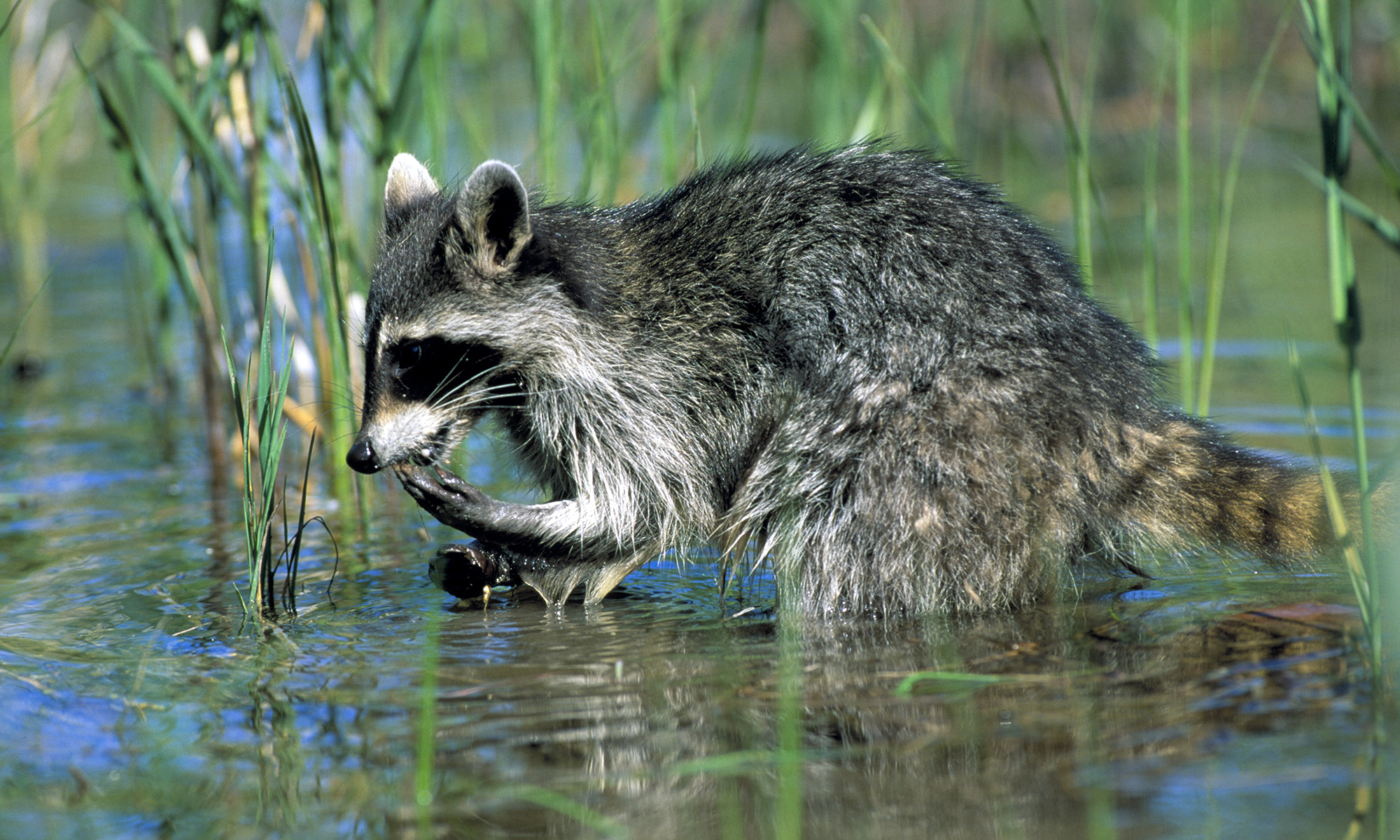

Raccoons are famous for their habit of “washing” food before eating it. While it may look like hygiene, this behavior is actually linked to their extremely sensitive paws. Still, the result looks incredibly human — rinsing, rubbing, inspecting, and sometimes even rejecting food like a picky eater.
Raccoons also:
- Stand upright like humans
- Use their hands with precision
- Solve puzzles to access food
- Learn from experience and remember solutions
Their curiosity and problem-solving skills make them feel more like mischievous toddlers than wild animals.
Number 9 – Otter: The Romantic Sleeper


Otters are known worldwide for one heart-melting behavior: holding hands while sleeping. This prevents them from drifting apart in water, but it also looks exactly like a human couple cuddling.
Otters also:
- Keep favorite objects like rocks
- Play games purely for fun
- Groom each other socially
- Show strong emotional bonds
Their affectionate behavior makes them one of the most emotionally relatable animals on Earth.
Number 8 – Elephant: The Empathetic Parent

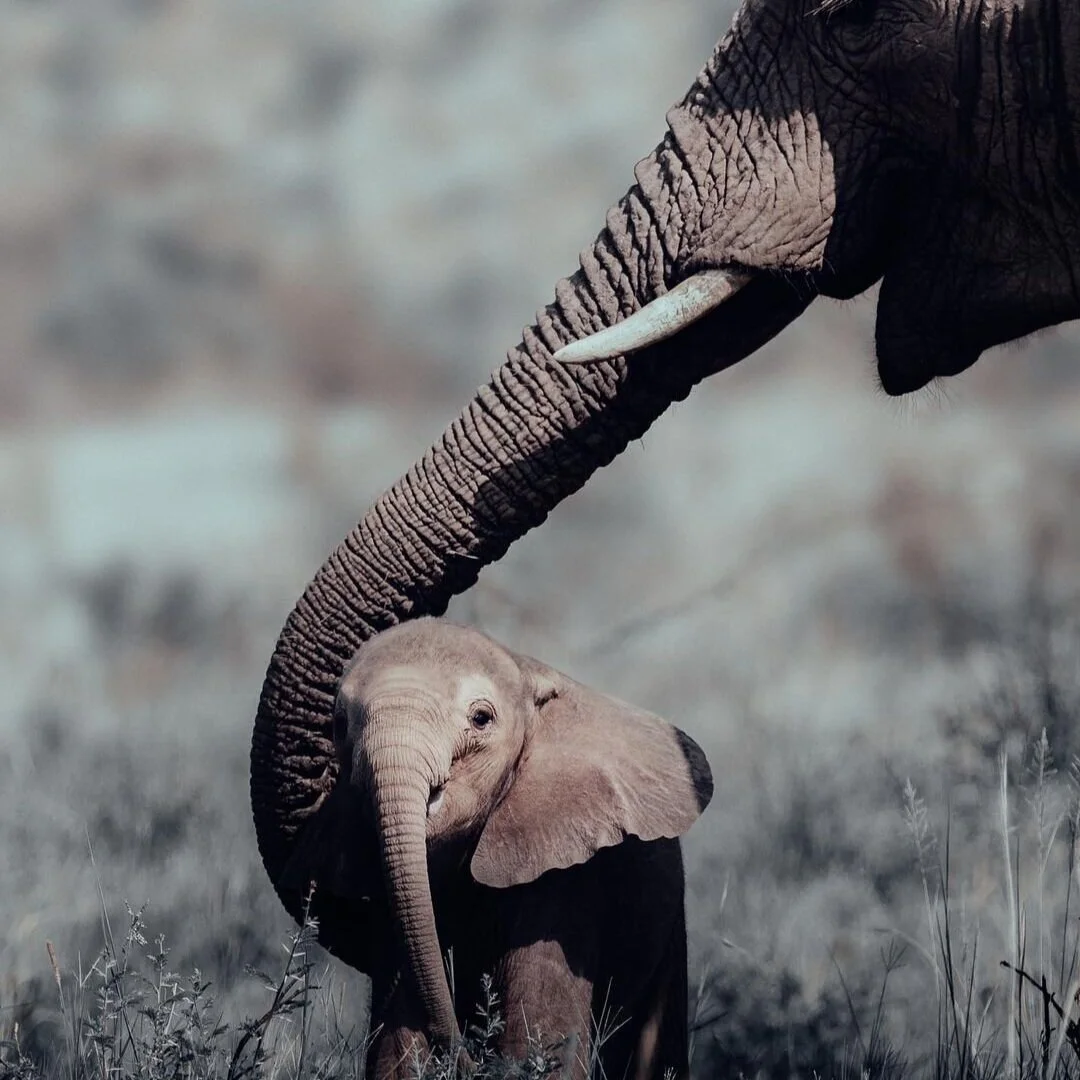
Elephants display emotional intelligence at a level that rivals humans. They help injured herd members, comfort distressed companions, and gently guide babies as they learn to walk.
Even more human-like behaviors include:
- Mourning their dead
- Remembering family members for decades
- Showing empathy and patience
- Protecting younger generations
Elephants don’t just live together — they care deeply for one another.
Number 7 – Parrot: The Conversationalist


Parrots don’t simply mimic sounds — many understand context. Some parrots respond to questions, laugh at appropriate moments, and even express frustration or affection using words.
Human-like traits include:
- Using language meaningfully
- Recognizing individual people
- Responding emotionally to tone
- Engaging in back-and-forth “conversation”
Living with a parrot often feels like living with a very opinionated roommate.
Number 6 – Dog: The Emotional Mirror


Dogs are masters of emotional intelligence. They can read facial expressions, body language, and tone of voice better than almost any other animal.
Dogs commonly:
- Sulk when ignored
- Celebrate praise dramatically
- Show jealousy
- Appear to “watch” television
- Sigh when bored
They don’t just understand humans — they emotionally synchronize with us.
Number 5 – Dolphin: The Social Genius


Dolphins are among the smartest animals on the planet. They call each other by unique names, cooperate strategically, and play games purely for enjoyment.
Human-like dolphin behaviors:
- Using names
- Teaching skills to others
- Working as a team
- Showing empathy
- Mourning lost companions
Dolphins don’t just think — they socialize, joke, and bond.
Number 4 – Crow: The Strategic Thinker
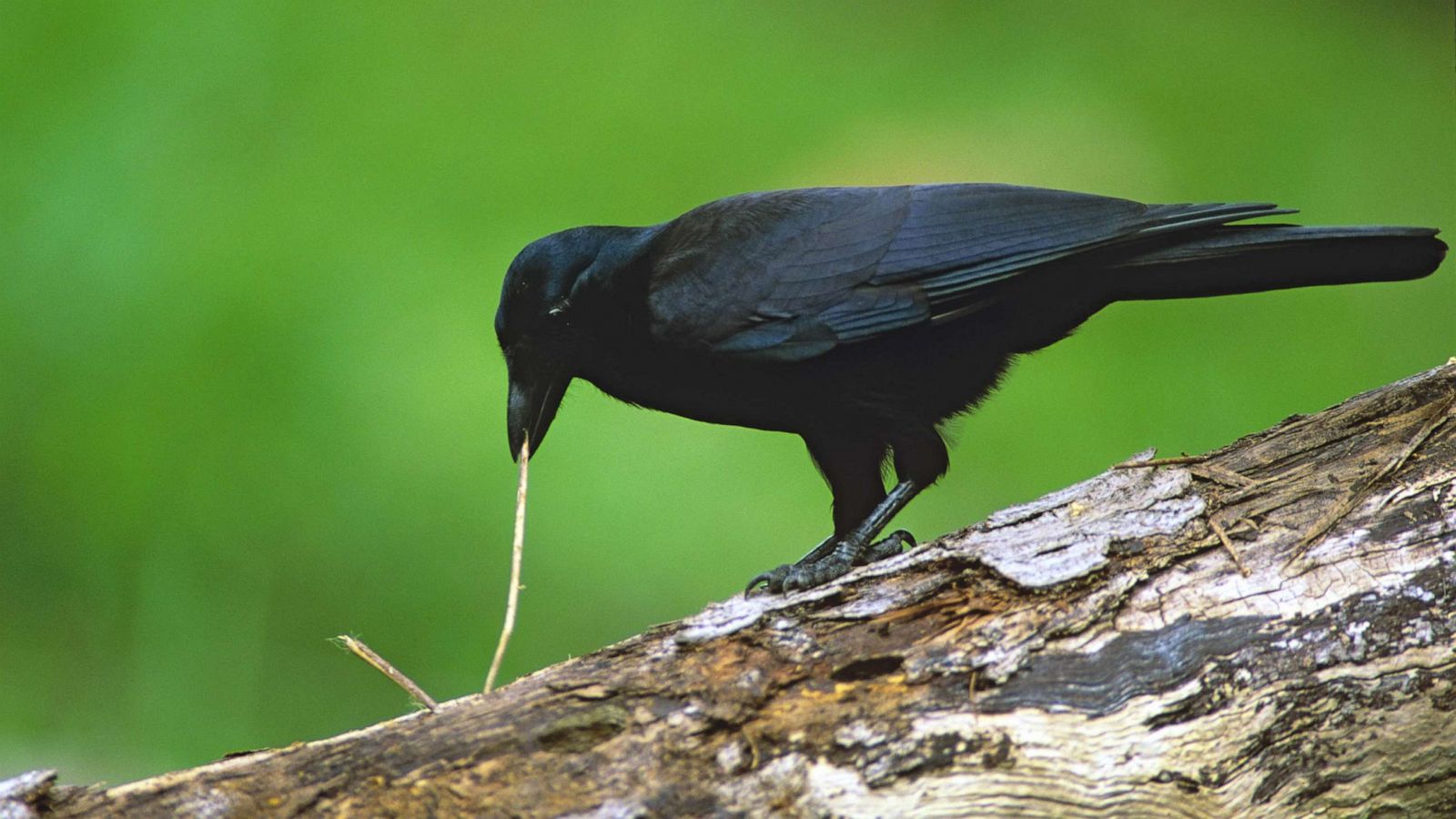
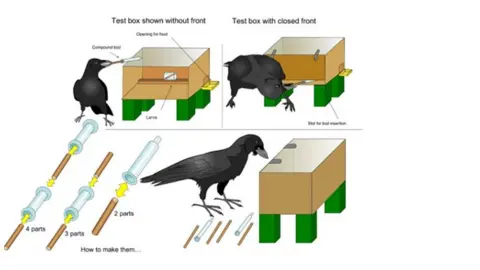
Crows demonstrate intelligence once thought exclusive to humans. They plan ahead, use tools, and even teach knowledge to other crows.
Crows can:
- Remember human faces
- Hold grudges
- Solve multi-step problems
- Pass knowledge through generations
Their ability to strategize places them closer to human reasoning than instinct-driven behavior.
Number 3 – Chimpanzee: The Human Reflection


Chimpanzees share nearly 99% of human DNA, and their behavior makes that obvious. They use tools, show complex emotions, and communicate through expressions and gestures that feel uncannily familiar.
Chimpanzees:
- Celebrate success
- Comfort friends
- Play pranks
- Show anger, joy, and empathy
Watching a chimpanzee often feels like watching a mirror of ourselves.
Number 2 – Orangutan: The Thoughtful Planner

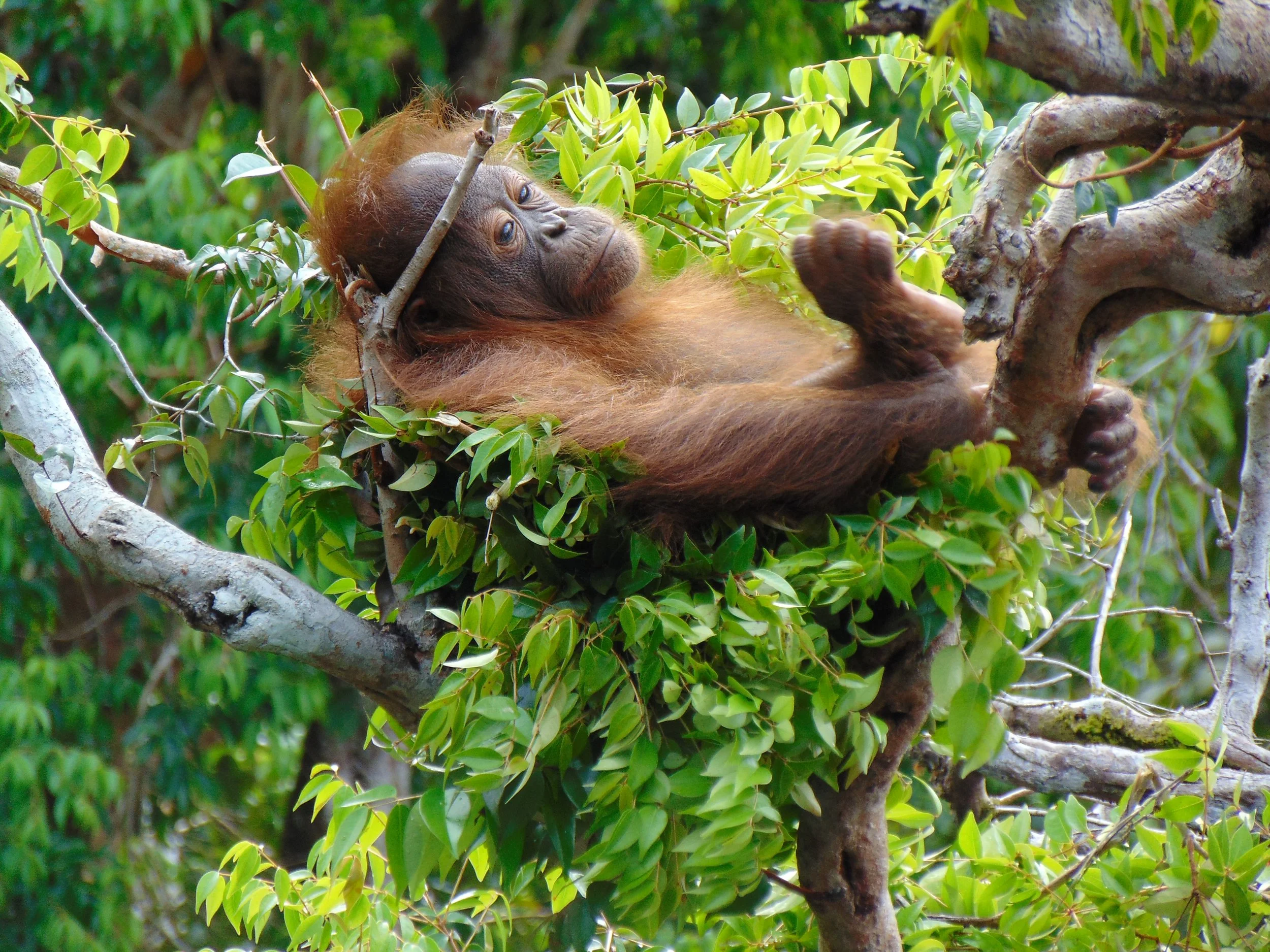
Orangutans are careful thinkers. They build shelters, use leaves as umbrellas, and observe humans closely before copying behavior.
Human-like qualities include:
- Planning actions in advance
- Learning by observation
- Using tools creatively
- Teaching young ones patiently
Their intelligence feels slow, deliberate, and deeply human.
Number 1 – Monkey: The Ultimate Imitator


Monkeys top the list because of their unmatched ability to imitate humans. They copy gestures, facial expressions, posture, and even social behaviors.
Monkeys often:
- Use objects like toys
- Mimic human movements
- Pose, steal, and tease
- Display confidence and attitude
Sometimes, their behavior is so human it’s genuinely unsettling — and that’s why they earn the number one spot.
Why Do Some Animals Act Like Humans?
Animals that act like humans tend to share three traits:
- High intelligence
- Strong social structures
- Long-term memory
These qualities allow learning, emotional depth, and adaptation — the same foundations of human behavior.
Final Thoughts
Humans aren’t as unique as we once thought. Across the animal kingdom, intelligence, emotion, empathy, and creativity appear again and again — just in different forms.
The next time an animal surprises you, remember:
They may be more like us than we’re comfortable admitting.
🔍 SEO Keywords
animals that act like humans, animals behaving like humans, intelligent animals, smart animals, animal intelligence, human like animal behavior, emotional animals, animal facts, wildlife intelligence
🏷️ Suggested Tags (WordPress)
animals, animal behavior, animal intelligence, wildlife facts, smart animals, nature, science