
Top 10 Animals That Can Count (And The Science Behind Their Hidden Math Skills)
Animals don’t carry calculators… yet many of them still understand numbers.
Scientists call this ability “numerosity” — the instinctive sense of quantity. It helps animals decide which food pile is bigger, how many rivals they face, or which path is safest.
Surprisingly, creatures from insects to elephants can perform basic math-like decisions every single day in the wild.
Below are the most fascinating species proven to recognize quantities — counting down from 10 to 1 (largest animal at #1).
Number 10 — Crow
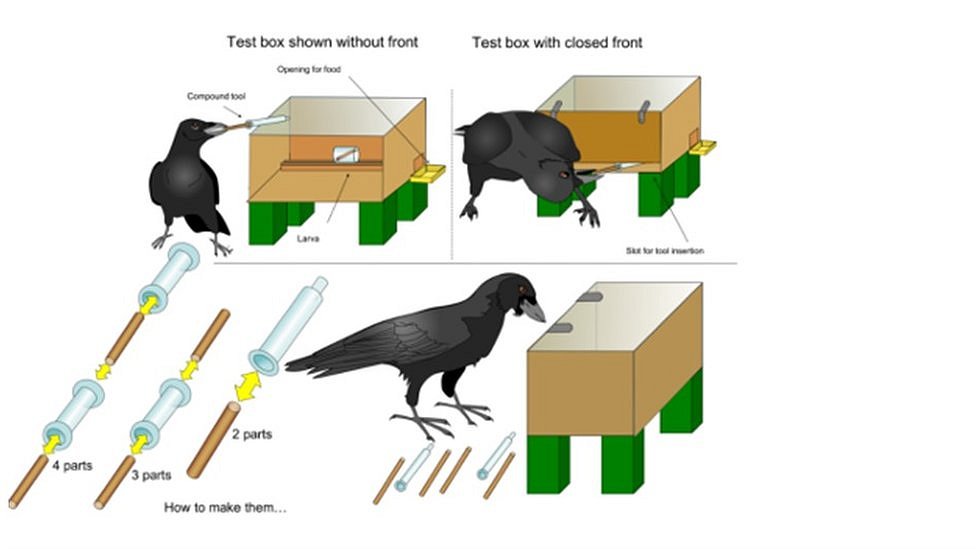
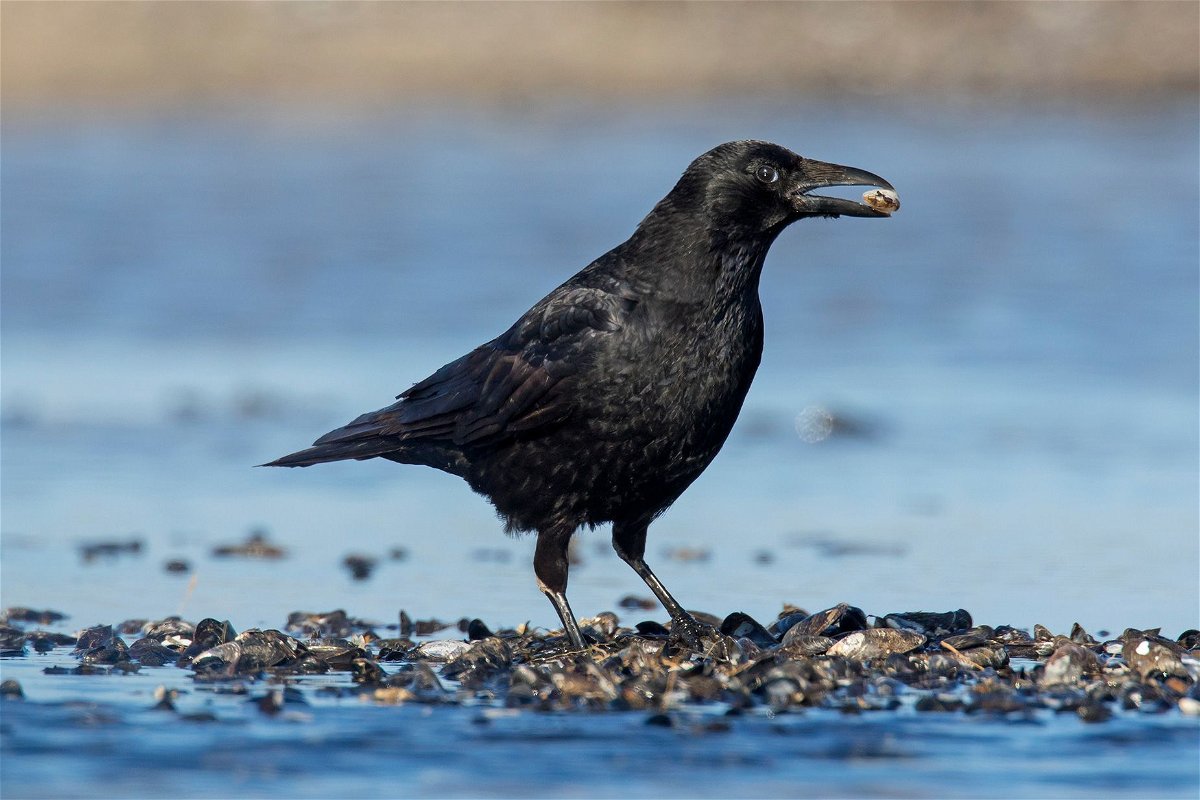
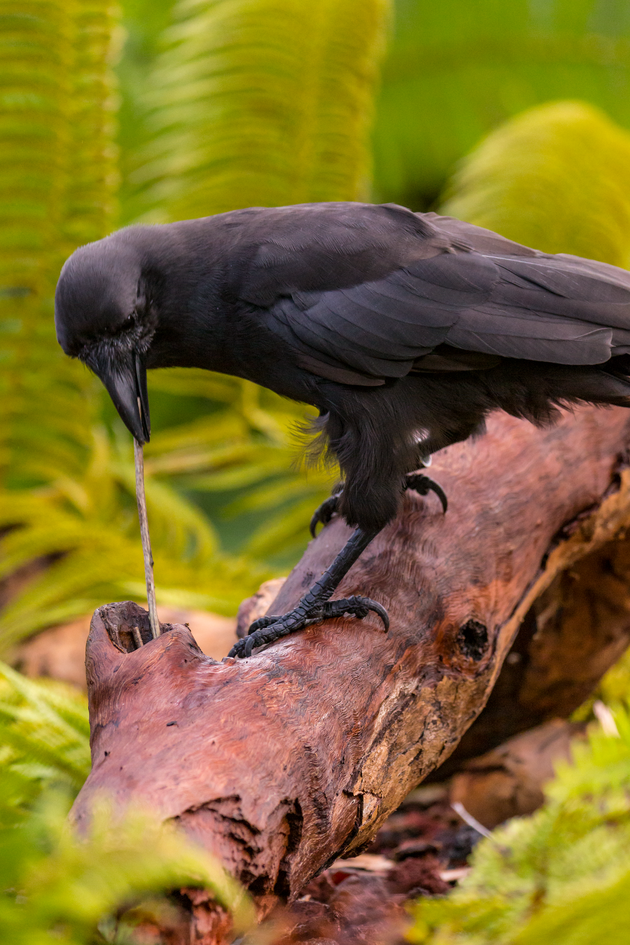
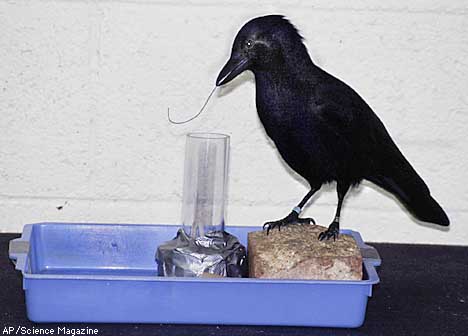
Crows belong to the corvid family — one of the smartest bird groups on Earth. In experiments, researchers hide food under cups. Crows watch carefully and consistently pick the container with the larger number of treats.
They don’t just guess. They track quantity and remember it after delays, which means they mentally represent numbers.
Why it matters: In the wild, this helps them decide whether approaching a group of predators is safe or not.
Number 9 — Honeybee

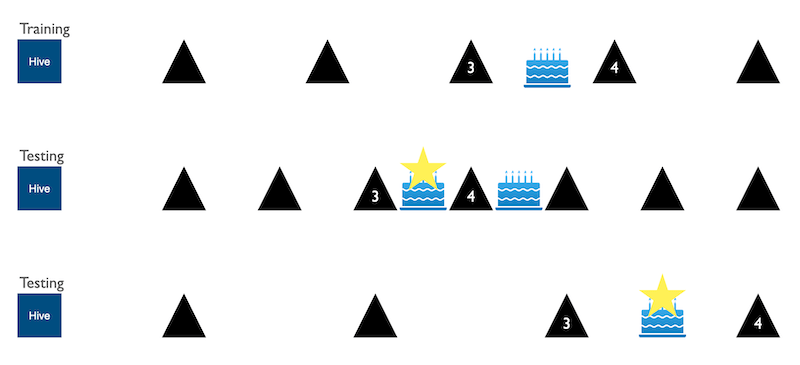


A honeybee’s brain is about the size of a sesame seed — yet bees can count up to about four landmarks while flying. They use this to measure distance from the hive to flowers.
Scientists tested this by placing colored markers in tunnels. Bees learned to stop at a specific numbered marker to find sugar water.
Why it matters: Counting helps them navigate long distances and return home accurately.
Number 8 — Pigeon



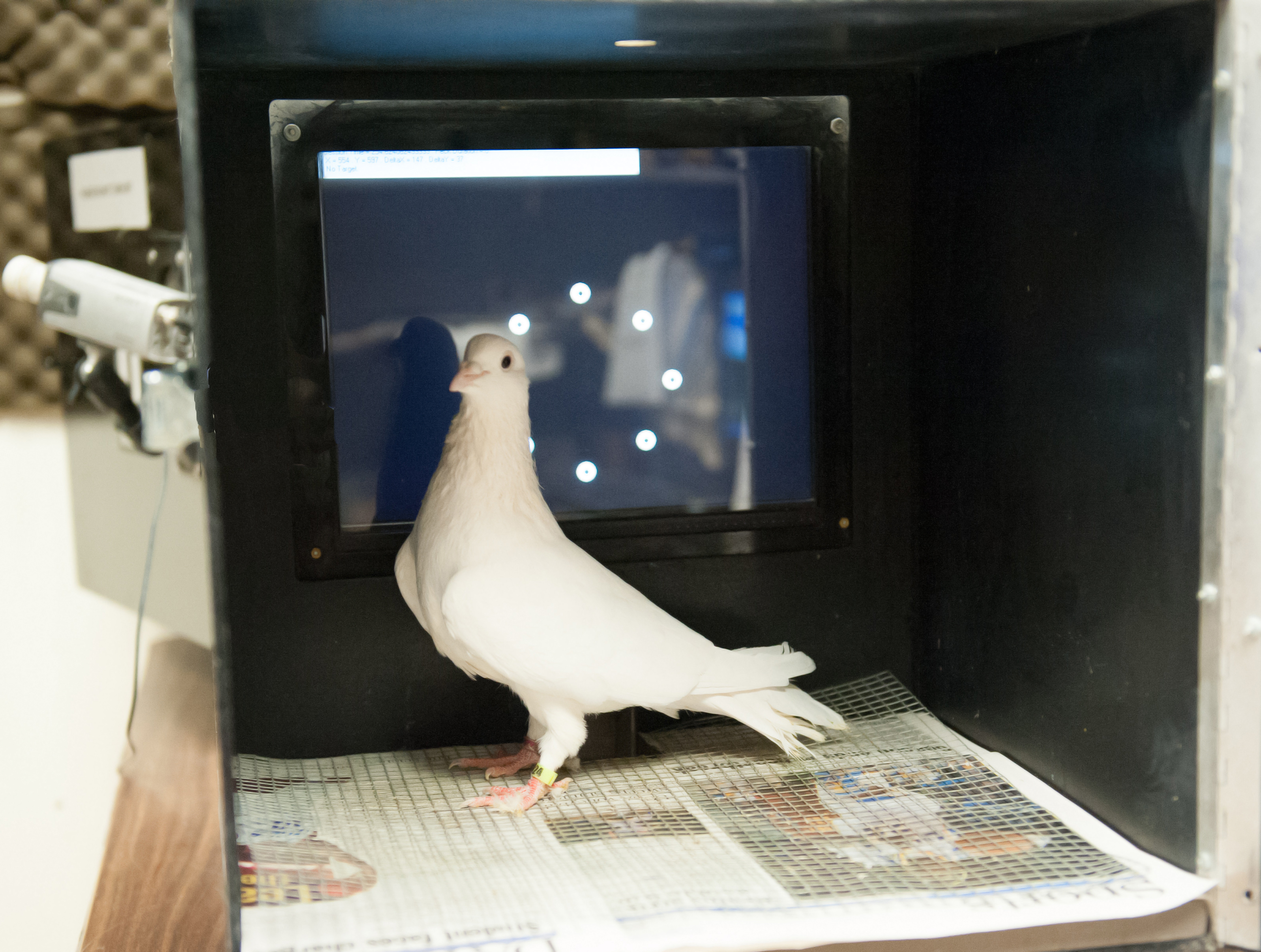
Pigeons shocked scientists when they learned to rank numbers in order from 1 to 9. They were shown different groups of dots and repeatedly chose the larger amount.
Even more surprising — pigeons follow the same pattern humans use when mentally arranging numbers.
Why it matters: This ability helps them decide which feeding area has more food.
Number 7 — Rat


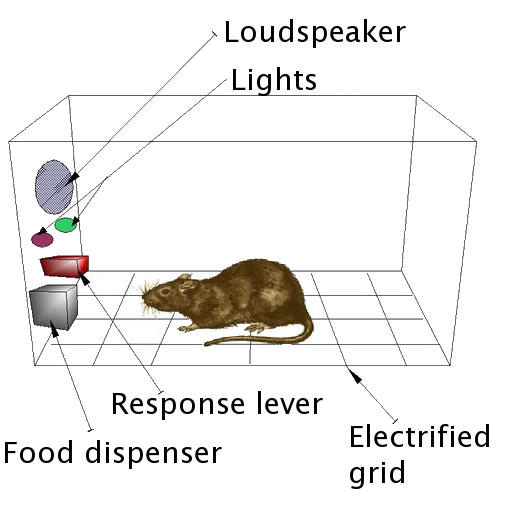
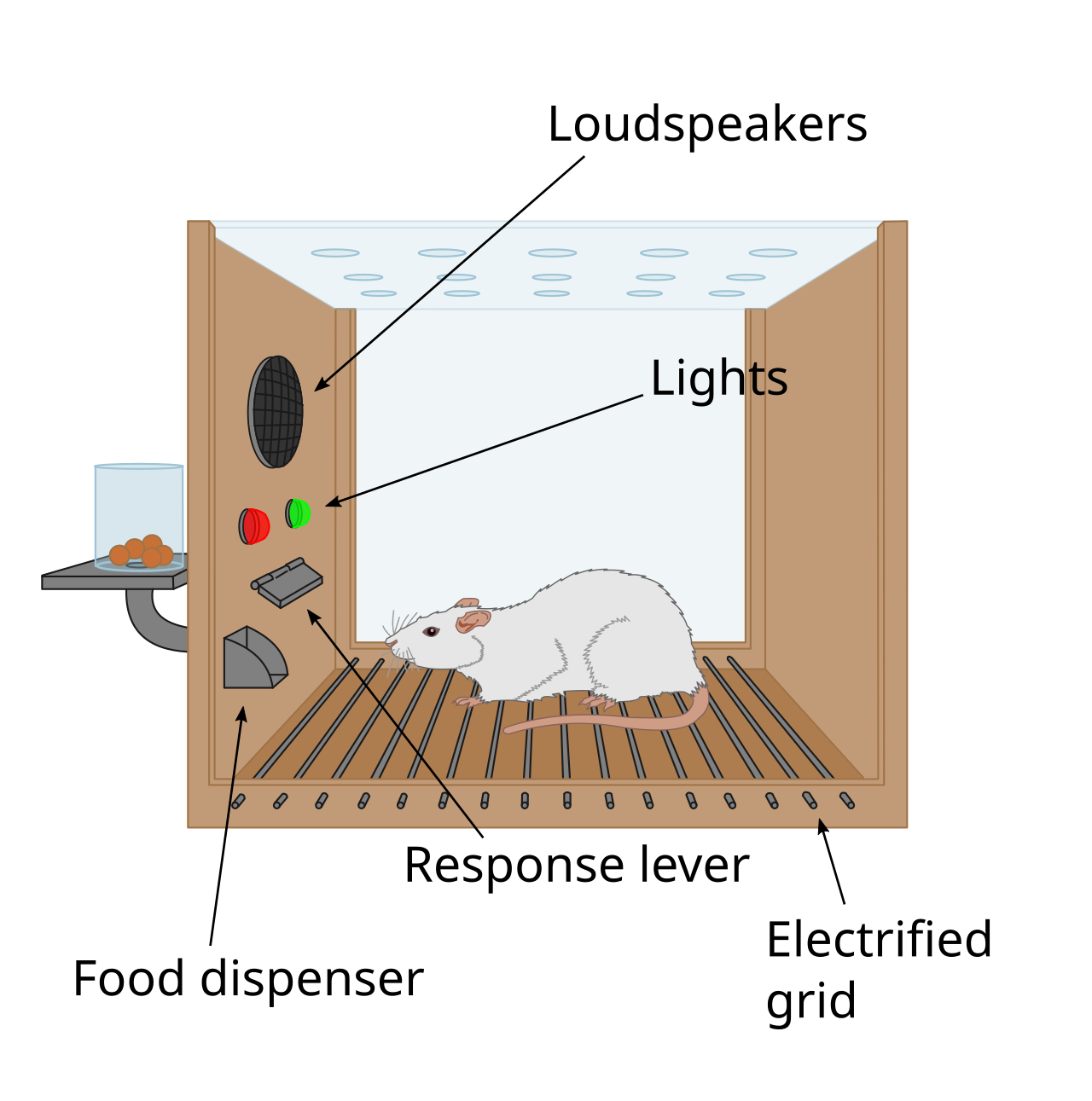
Rats can count actions. In behavioral studies, they learned they had to press a lever a specific number of times to receive food — and they performed it accurately.
They also anticipate timing intervals, showing both counting and internal clock awareness.
Why it matters: Helps with remembering routes, tunnels, and safe feeding times.
Number 6 — Jumping Spider




Jumping spiders plan attacks based on how many insects are trapped in different web areas. They select the path leading to the most prey.
Researchers found they can track quantity even after briefly losing sight of the target — meaning they hold numbers in memory.
Why it matters: It maximizes energy efficiency while hunting.
Number 5 — Dog
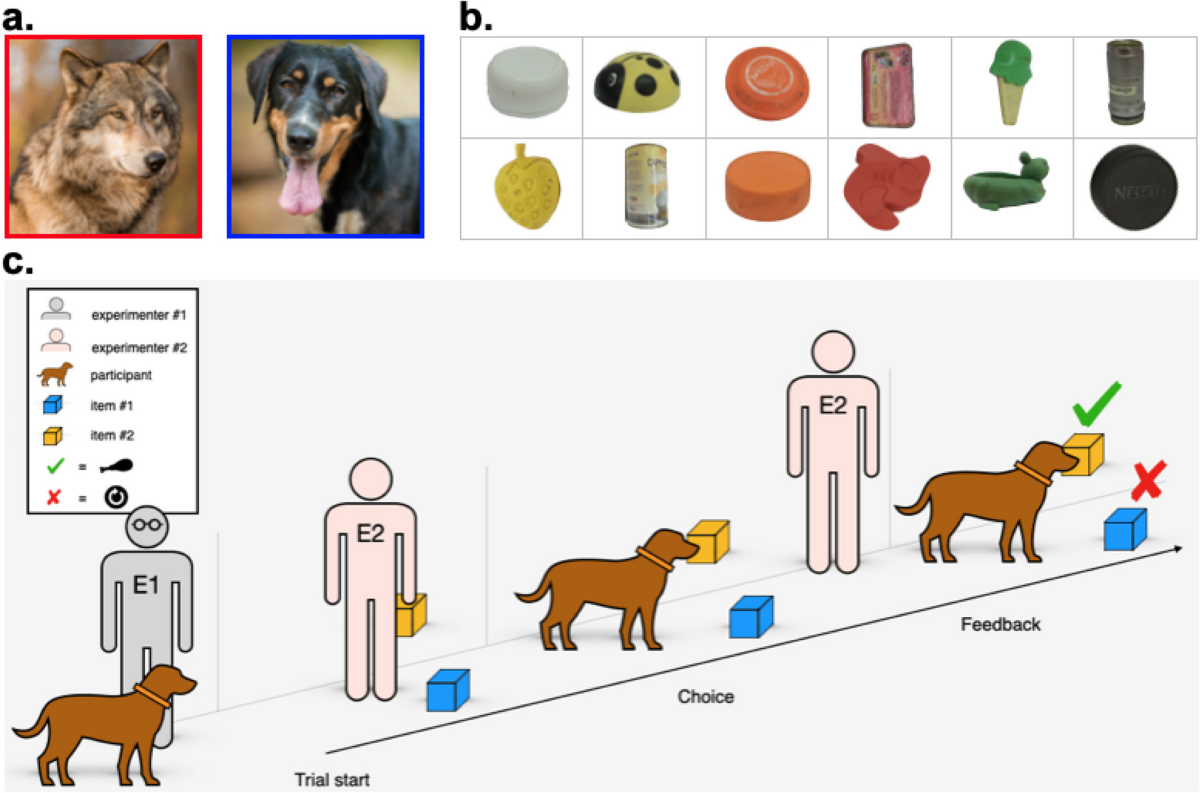

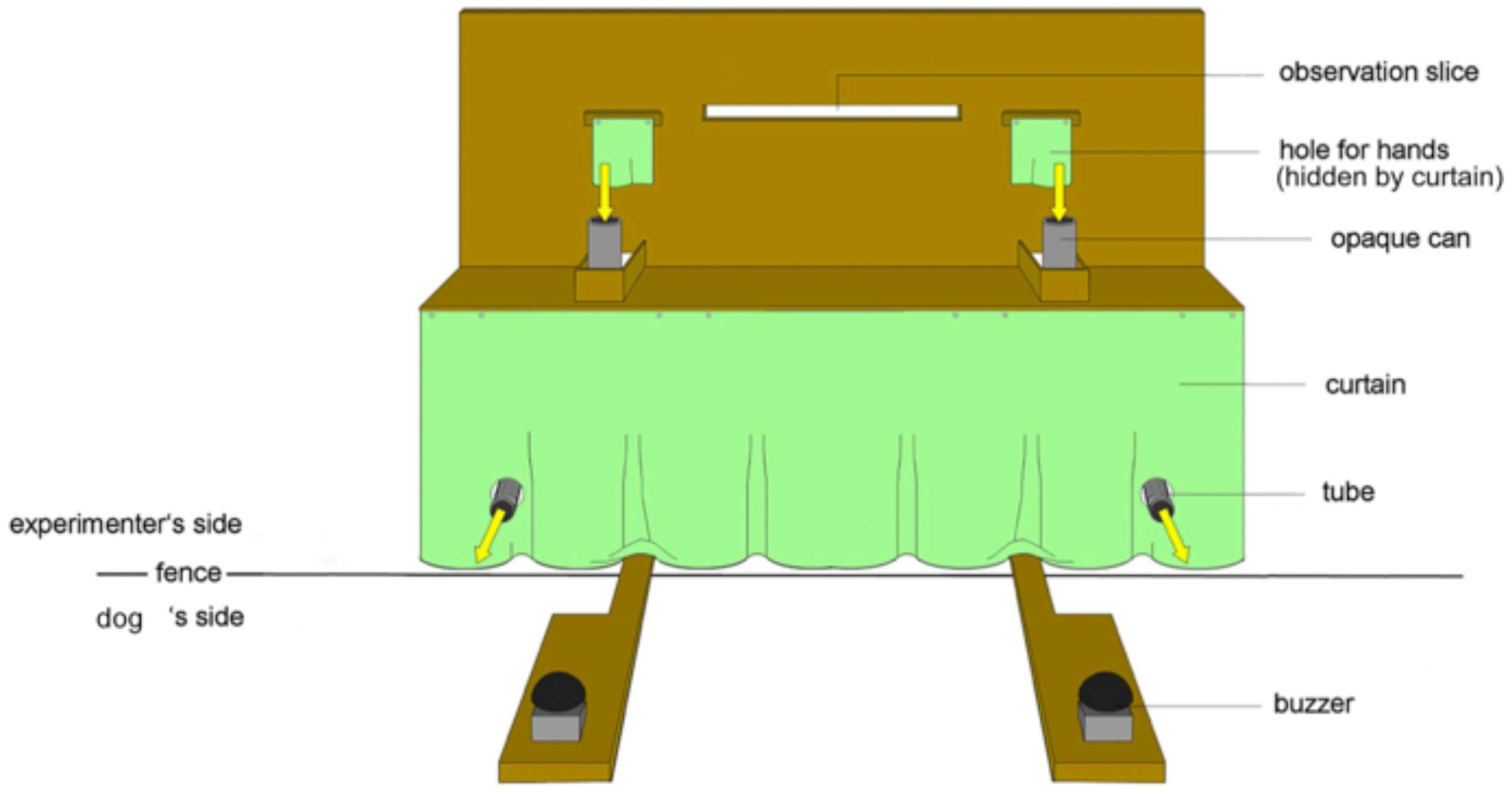
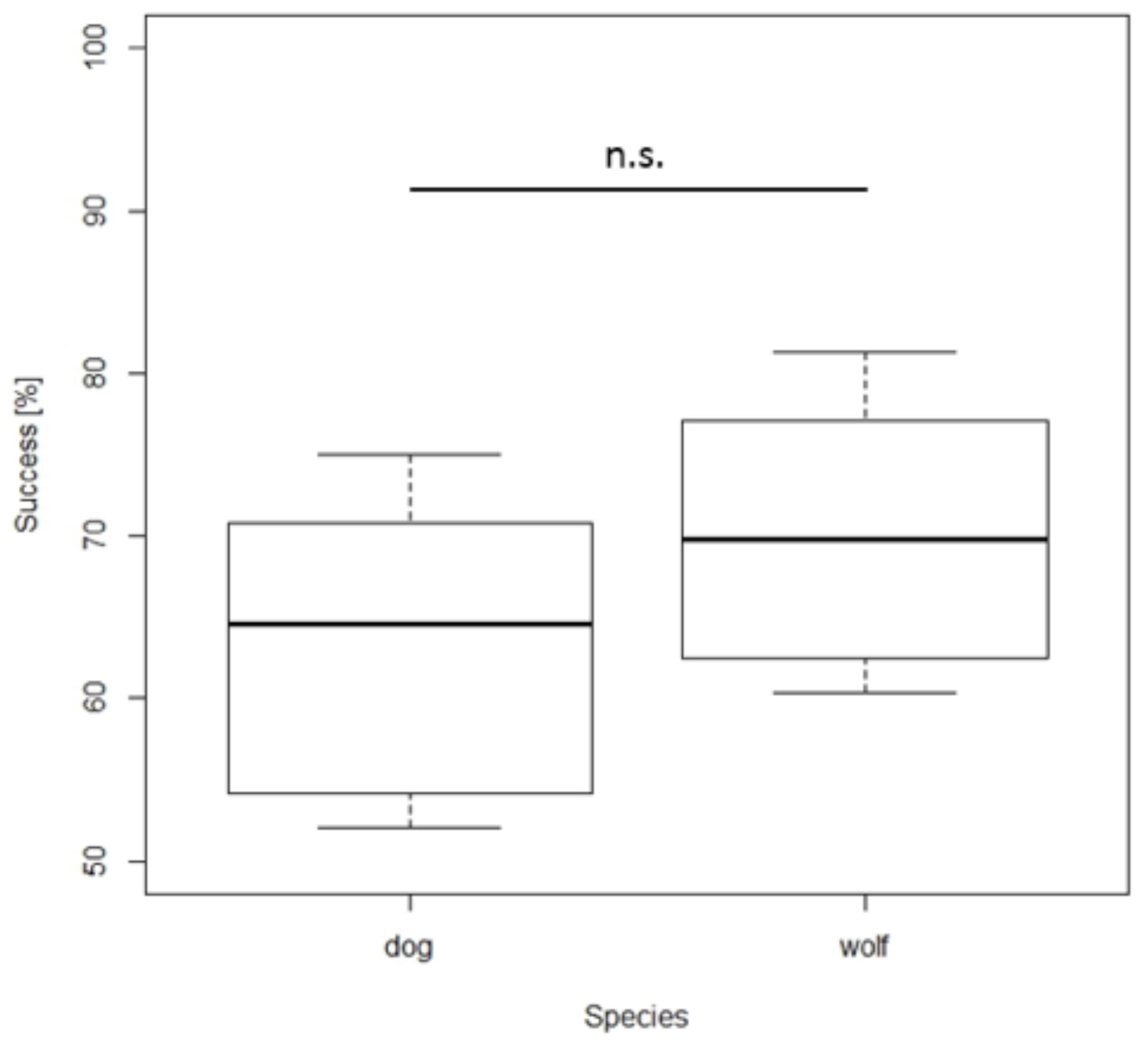
Dogs may not do algebra, but they compare quantities. When presented with two treat piles, dogs consistently choose the larger one.
They also notice when a treat is secretly removed — meaning they track expected numbers.
Why it matters: Helps social pack dynamics and food competition.
Number 4 — African Grey Parrot


African grey parrots are among the only animals that can identify and verbally label numbers. Some individuals learned to count objects and say the correct number aloud.
They recognize quantity, color, and shape — not just memorized tricks.
Why it matters: This is close to symbolic math — a foundation of human intelligence.
Number 3 — Dolphin




Dolphins understand more vs less and solve numerical symbol puzzles. They can also remember sequences of signals.
Scientists believe dolphins possess a mental number line similar to primates.
Why it matters: Helps cooperation and coordinated hunting.
Number 2 — Chimpanzee
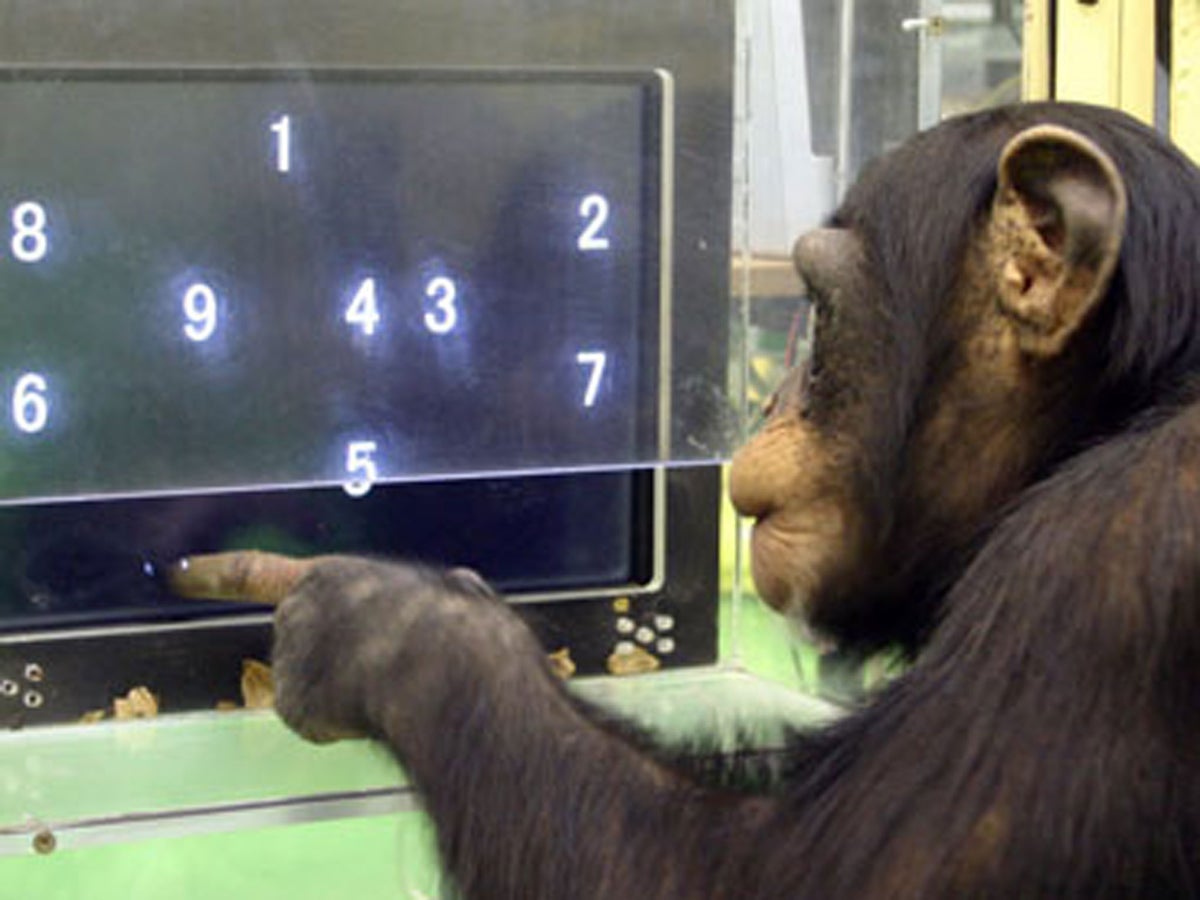

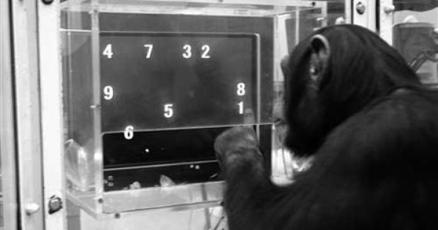
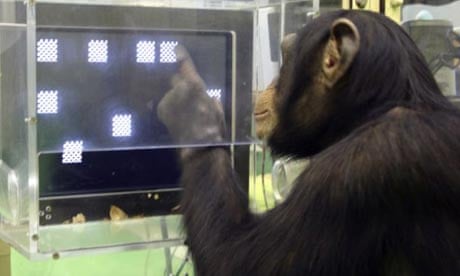
Chimpanzees outperform humans in certain memory-number tests. They briefly see numbers on a screen and tap them in perfect order after they disappear.
This is called photographic working memory.
Why it matters: Essential for social ranking and group strategy.
Number 1 — Elephant


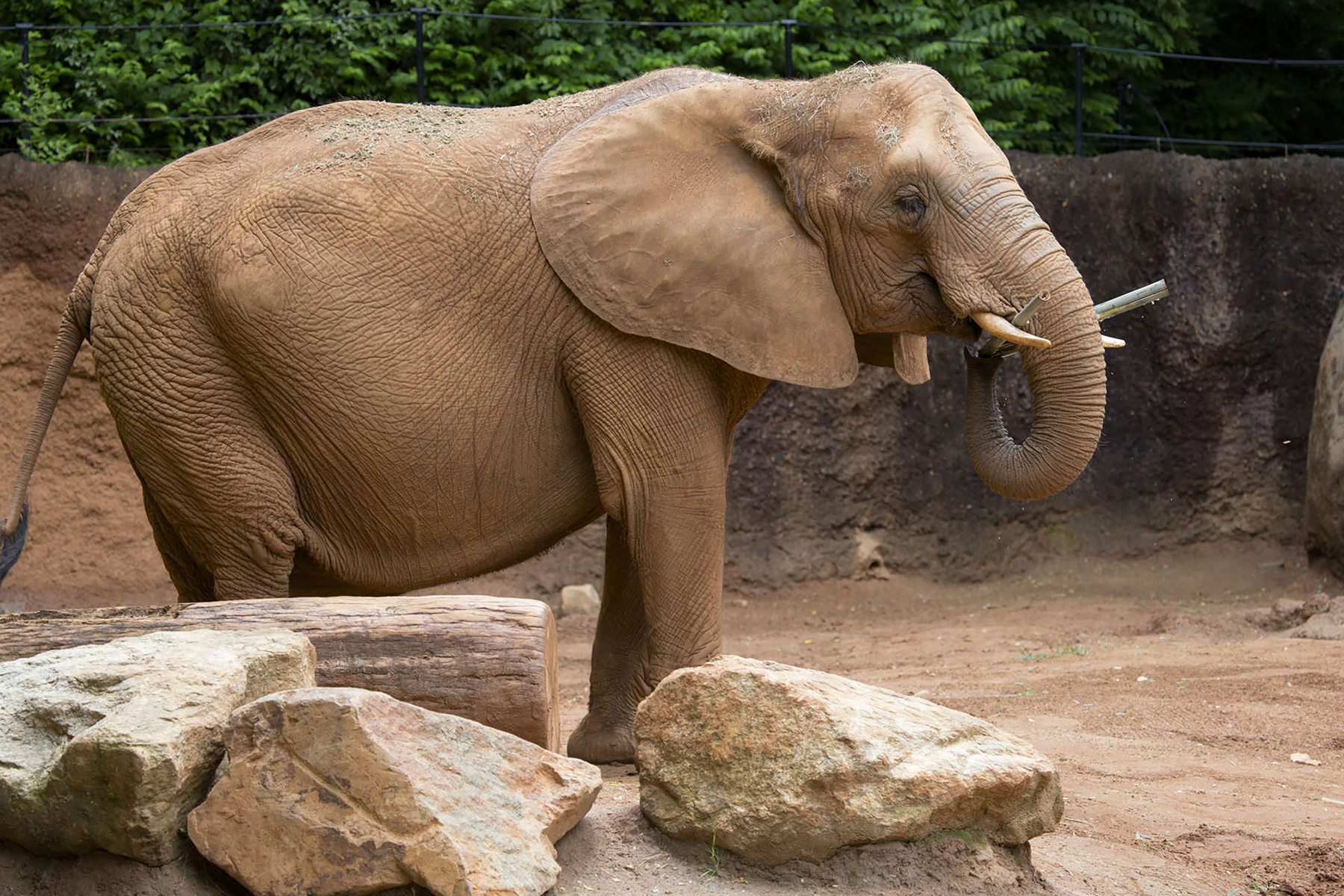
Elephants have the most advanced quantity recognition among land animals. When given two piles of food — even very large ones — elephants reliably choose the bigger amount.
They can also estimate group sizes and remember herd members after many years.
Why it matters: Critical for survival, migration decisions, and family protection.
What This Means
Counting is not uniquely human.
Mathematics likely began as a survival tool in evolution long before schools or numbers existed. Humans simply turned it into symbols.
Animals don’t write equations — but they still solve problems using quantity, memory, and comparison.
Frequently Asked Questions (FAQ)
Do animals really understand numbers?
Not like humans using symbols. They understand quantity differences — which is the evolutionary foundation of counting.
Which animal counts the best?
Among non-human species, chimpanzees and elephants show the strongest quantity recognition and memory.
Can pets count?
Yes — dogs and even some cats can distinguish between small quantities, especially involving food.
Why would animals need math?
To choose safer groups, locate more food, avoid predators, and coordinate hunting.
Is this intelligence or instinct?
It’s both. Animals evolved specialized brains where recognizing quantity improves survival chances.
Conclusion:
The next time your dog watches you divide treats or a crow studies your picnic…
it might not be staring randomly.
It might be counting.