
🦎 Top 10 Animals That Detach Body Parts
Imagine escaping danger by dropping part of your own body — and then growing it back later.
In the wild, this isn’t science fiction. It’s called autotomy, a survival strategy where animals intentionally shed a limb, tail, skin, or even internal organs to confuse predators and buy a few seconds to escape.
Some species regrow what they lose within days… others take months… and a few can even rebuild an entire new body.
Let’s count down the most unbelievable examples in nature.
#10 Sea Cucumber

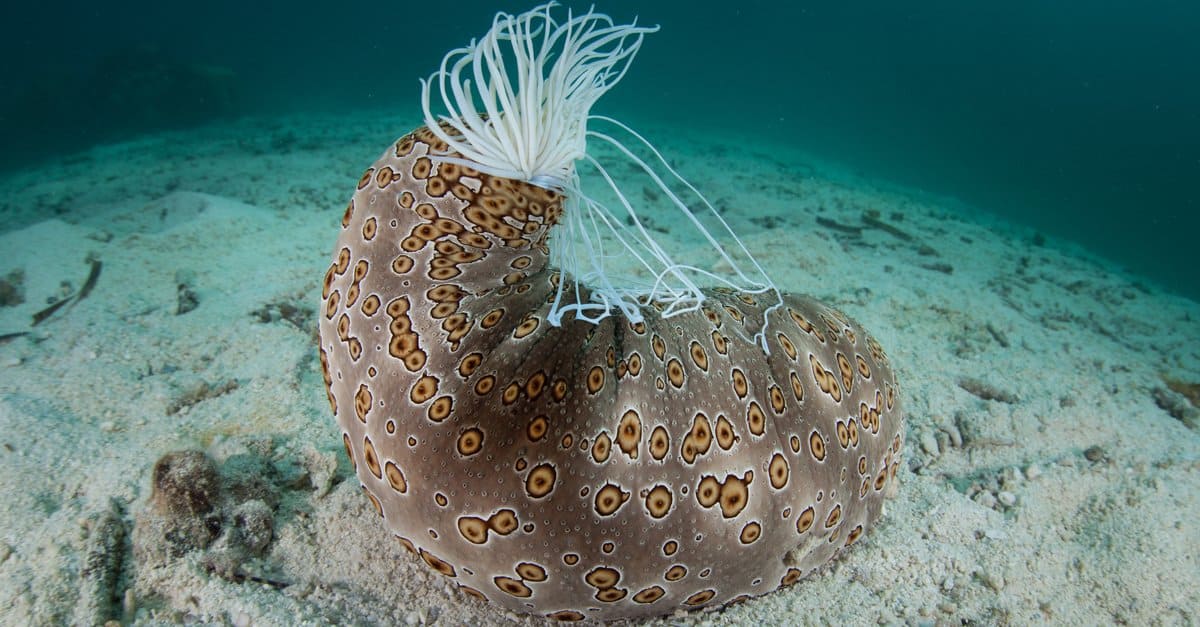
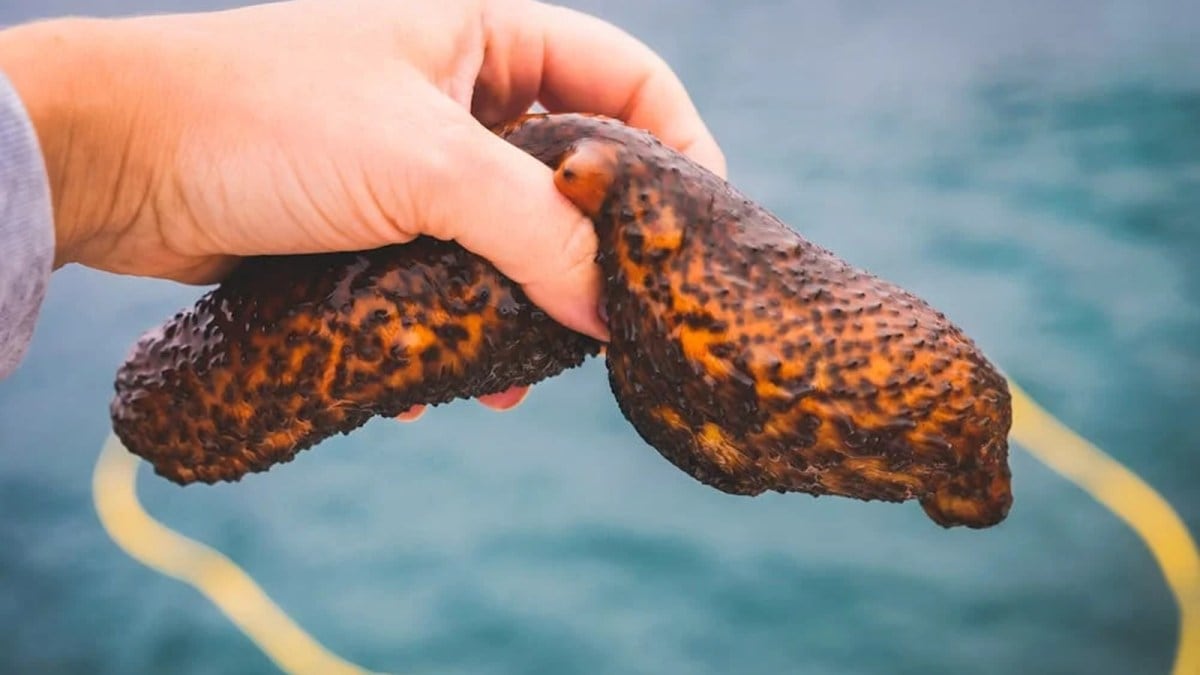
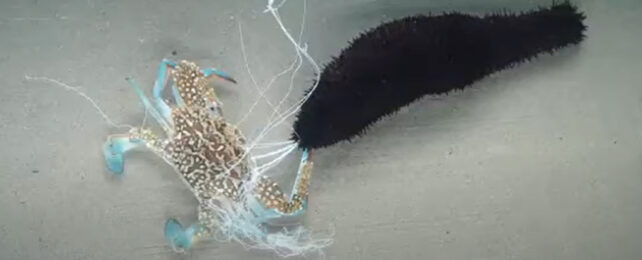
Sea cucumbers look harmless, but they have one of the strangest defenses in the animal kingdom.
When attacked, they violently contract their muscles and eject sticky internal organs out of their body. Predators become distracted by the floating organs while the animal slowly crawls away.
Even more shocking — the sea cucumber regrows all of those organs in only a few weeks.
#9 Spiny Mouse


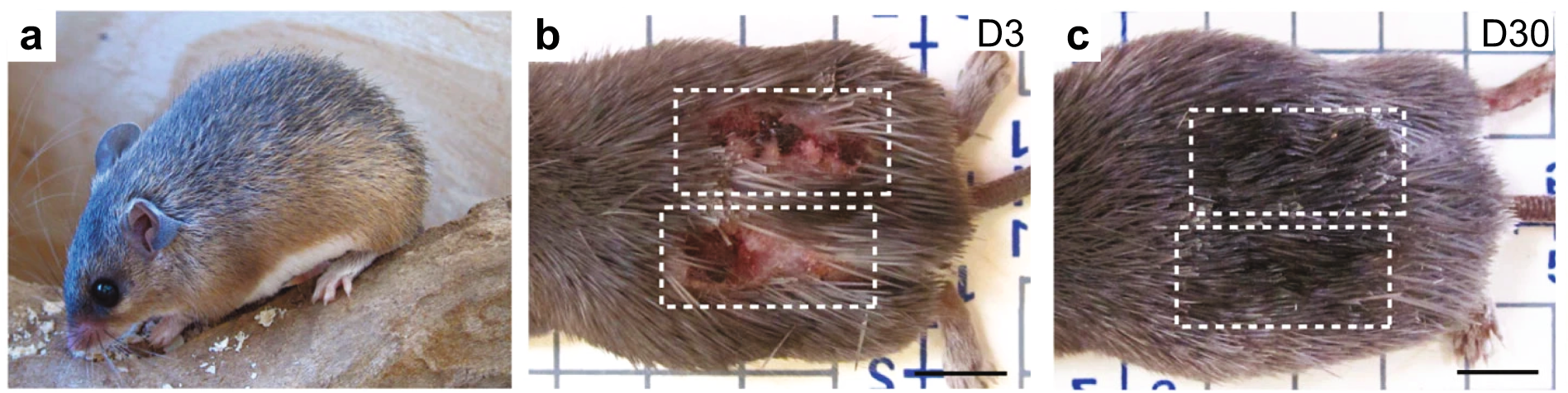

The spiny mouse is one of the only mammals capable of true regeneration.
If a predator grabs it, the mouse’s fragile skin tears away easily, allowing it to slip free.
Scientists study this animal because it can regenerate:
- Skin
- Hair follicles
- Nerves
- Even cartilage
It may someday help human medicine.
#8 Daddy Longlegs (Harvestman)


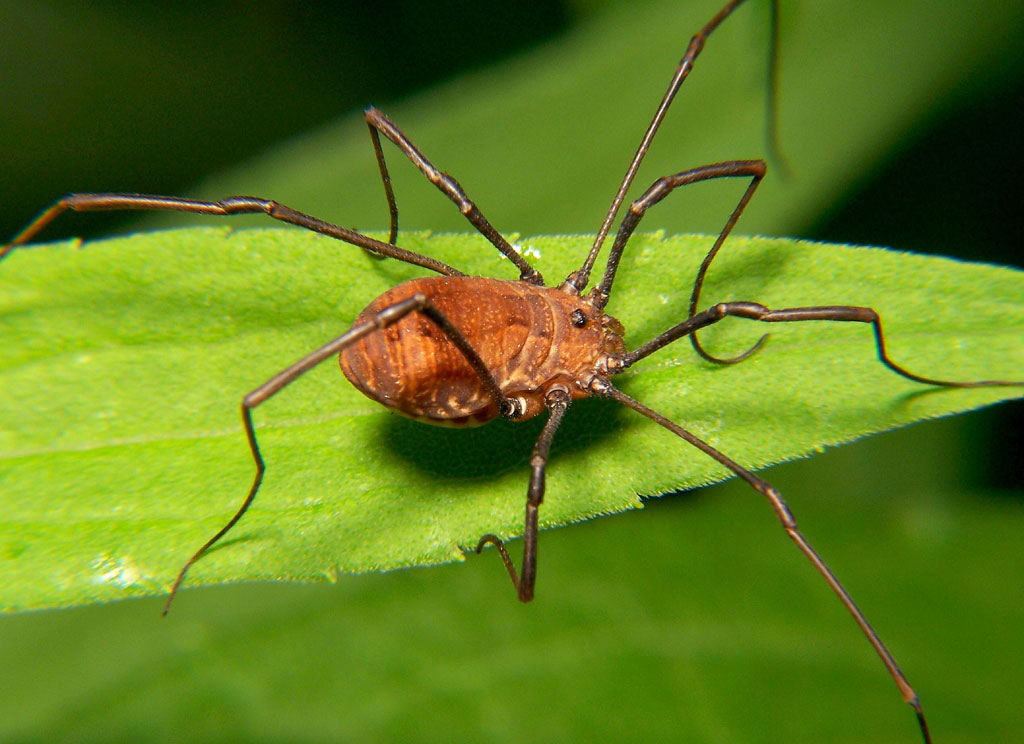

When threatened, this long-legged arachnid drops a leg on purpose.
The detached limb continues twitching for minutes, completely distracting predators while the animal escapes into leaves.
The lost leg never grows back — but survival is worth the sacrifice.
#7 Crab
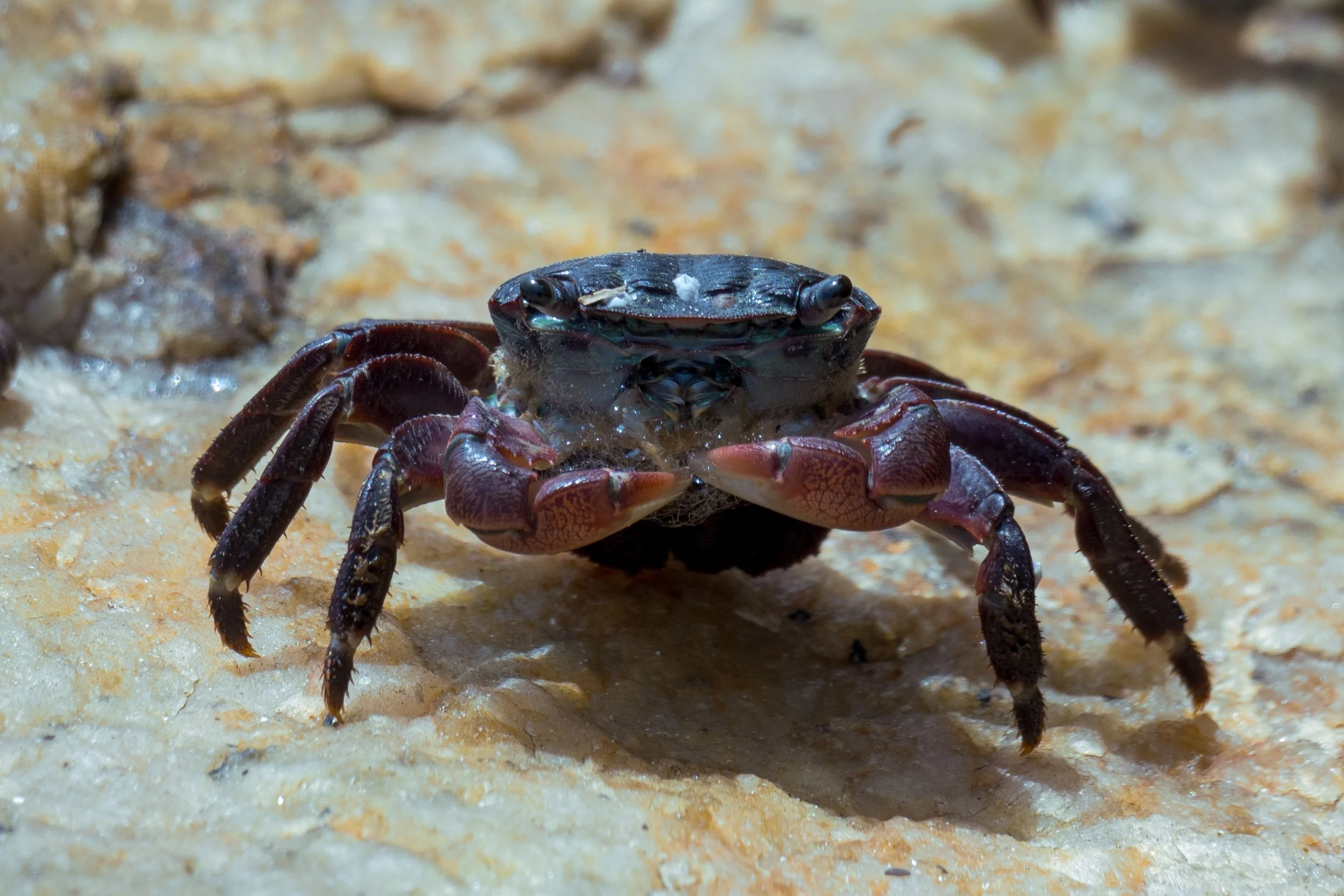


Crabs have a built-in emergency release system.
If a predator grabs their claw, they can instantly detach it at a weak joint.
After a few molts, a brand-new claw forms — sometimes smaller at first, then growing to full size.
#6 Starfish (Sea Star)
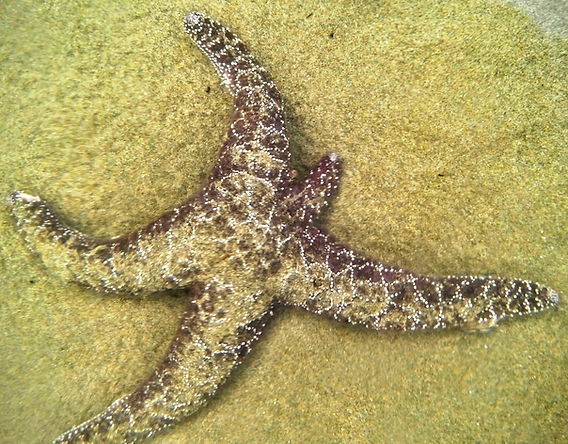
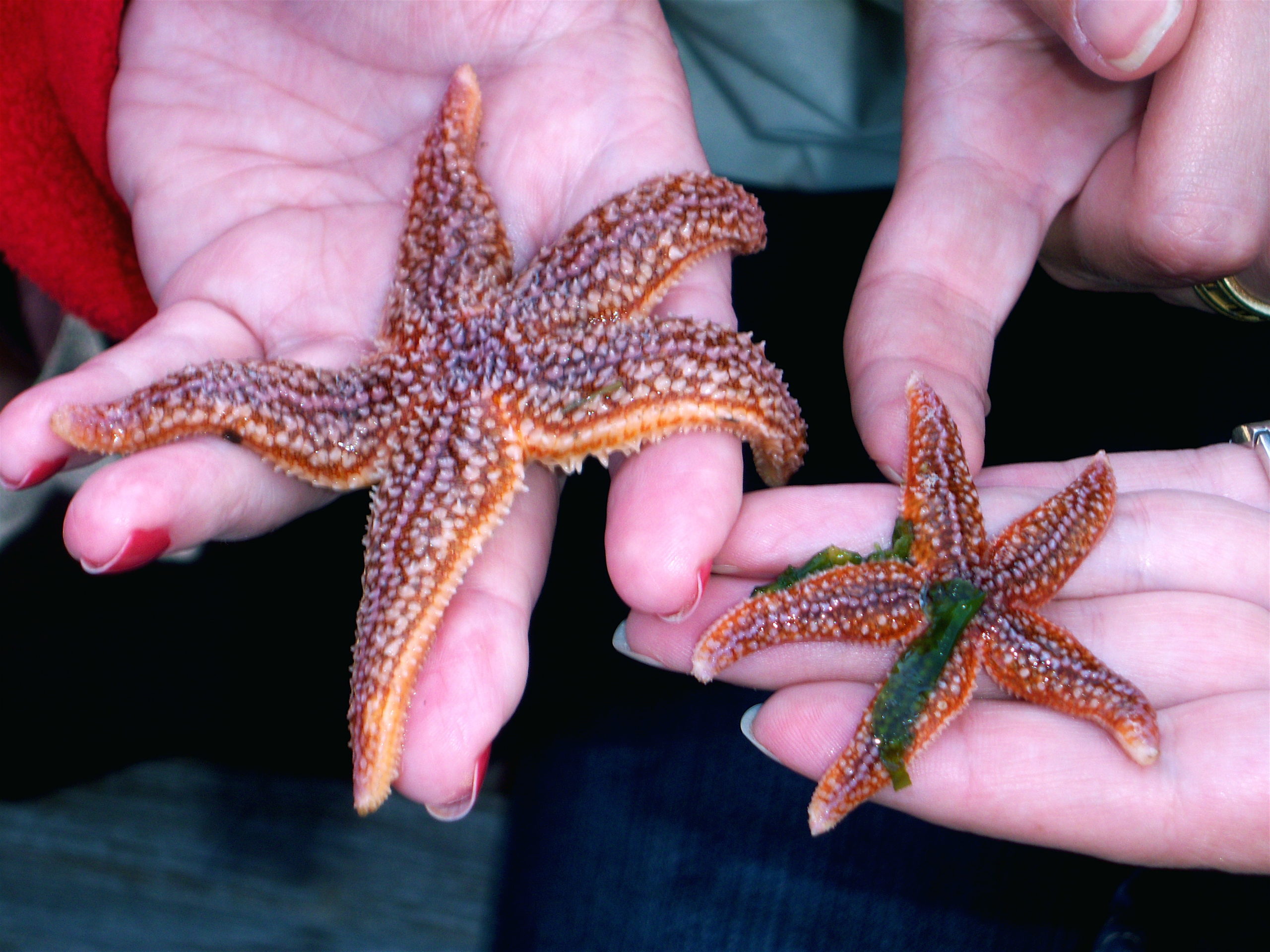

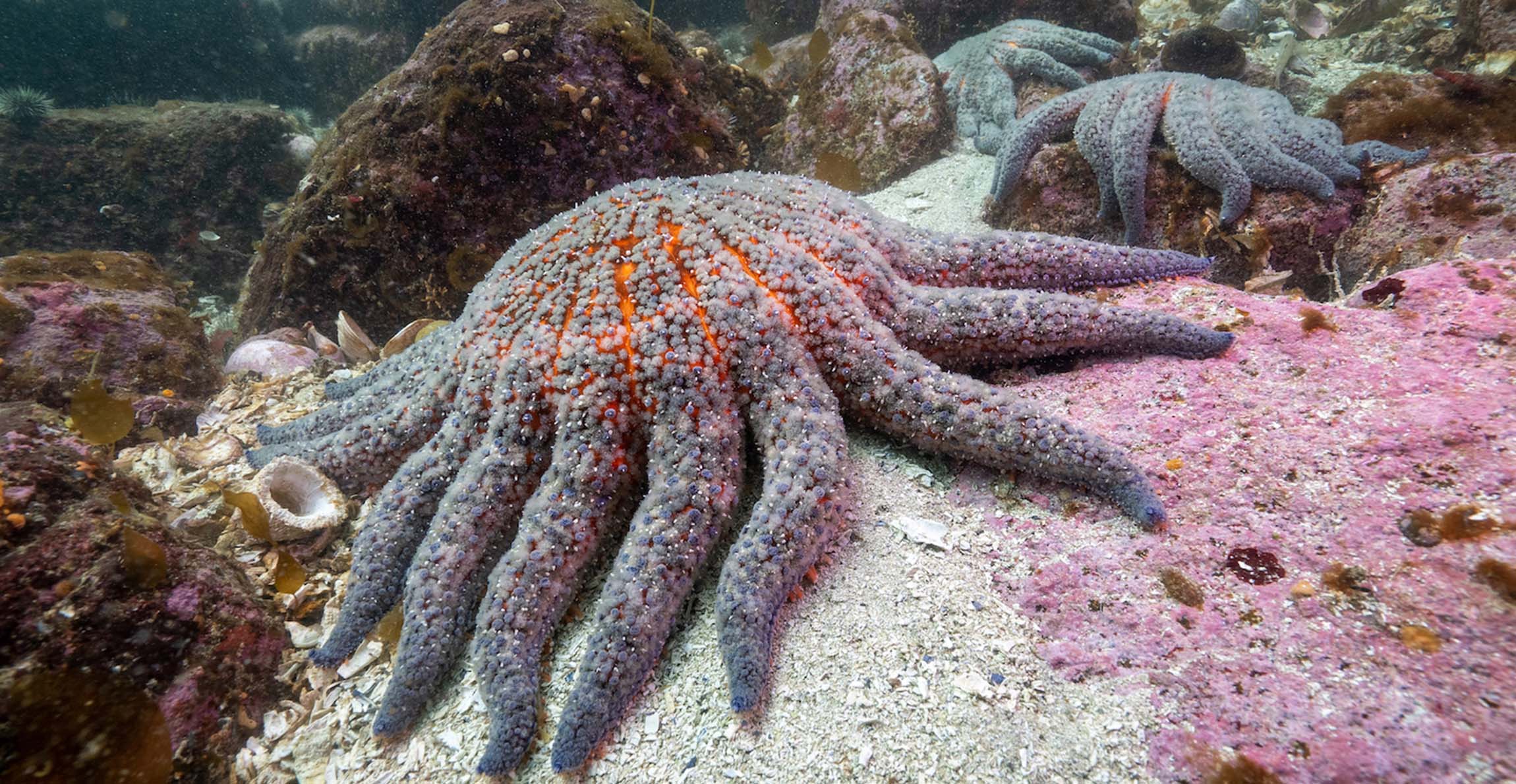
Sea stars are regeneration champions.
A single detached arm — if it contains part of the central disc — can grow into a completely new starfish.
Meanwhile, the original animal regrows its missing arms.
#5 Stick Insect

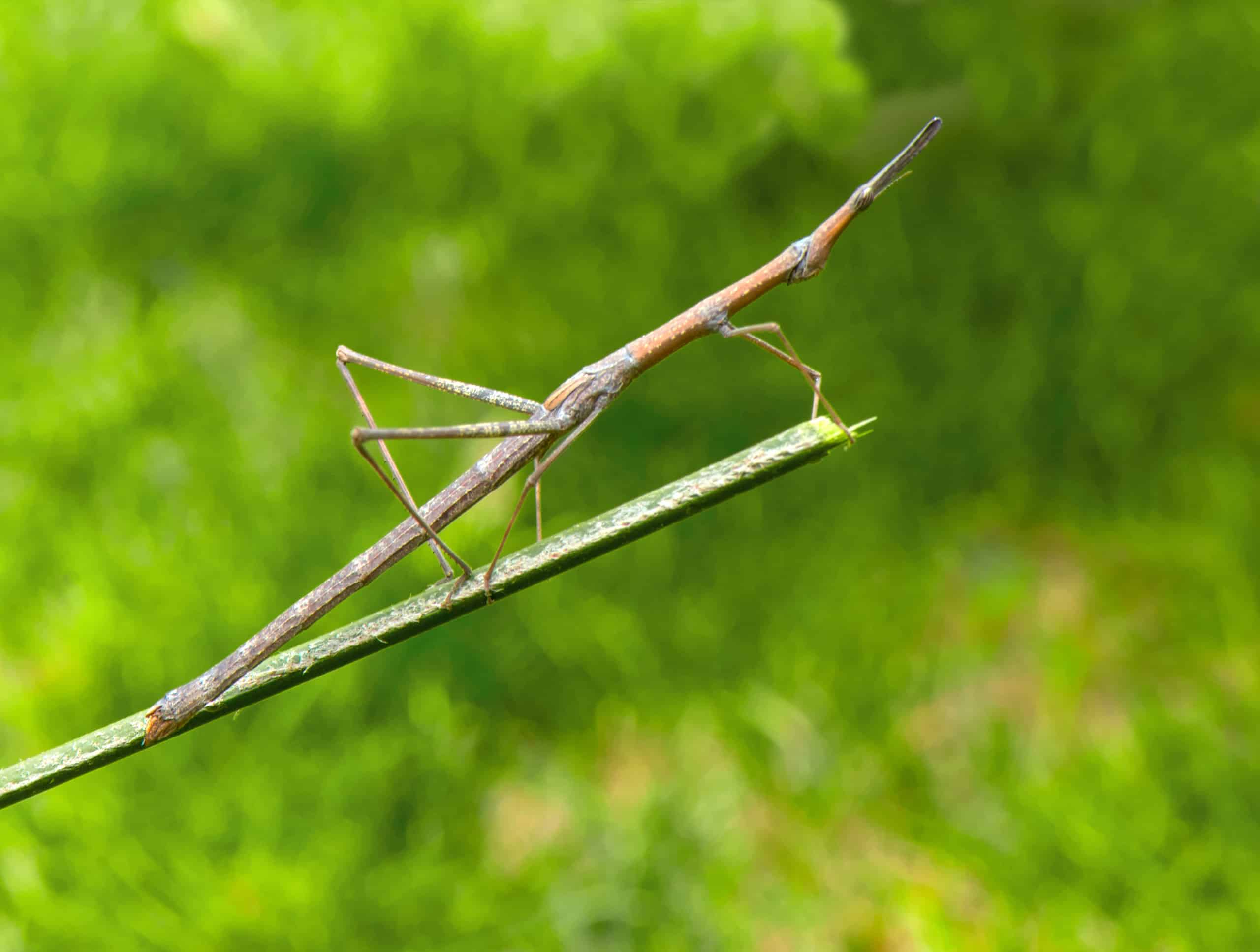
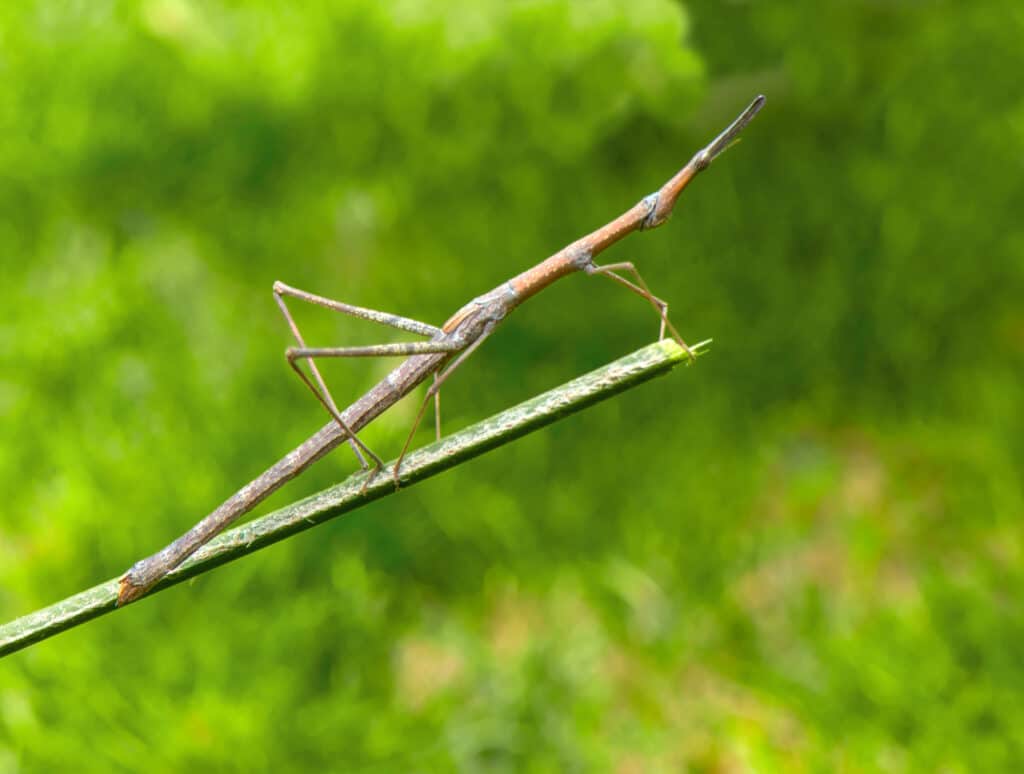

Masters of camouflage still get caught sometimes.
When grabbed, stick insects intentionally drop a leg and fall into vegetation.
During future molts, the leg slowly regrows.
#4 Octopus


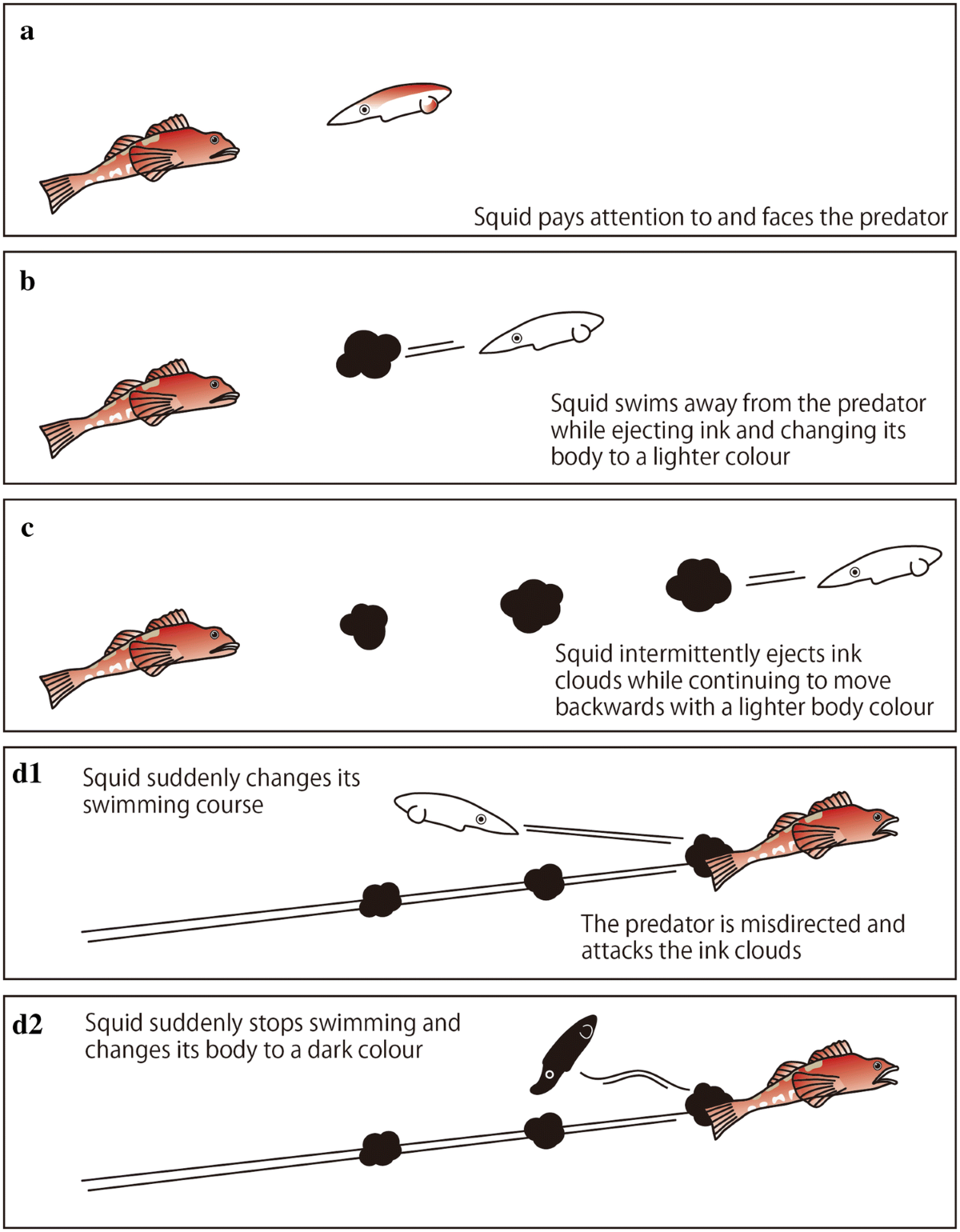
An octopus arm has its own nerve network.
When detached, the arm continues moving and gripping objects while the octopus escapes using ink and jet propulsion.
Within months, the arm regenerates fully.
#3 Salamander


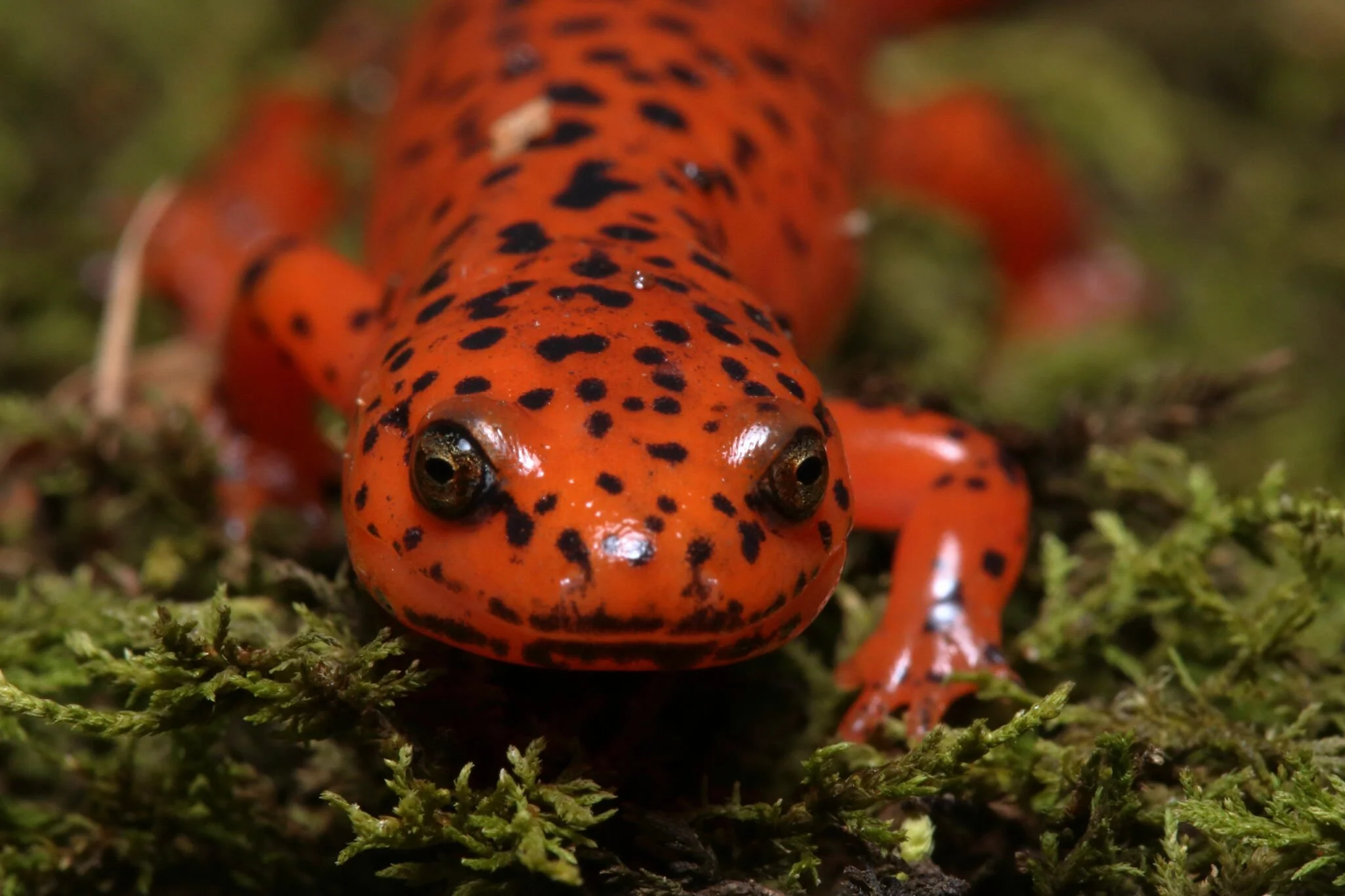
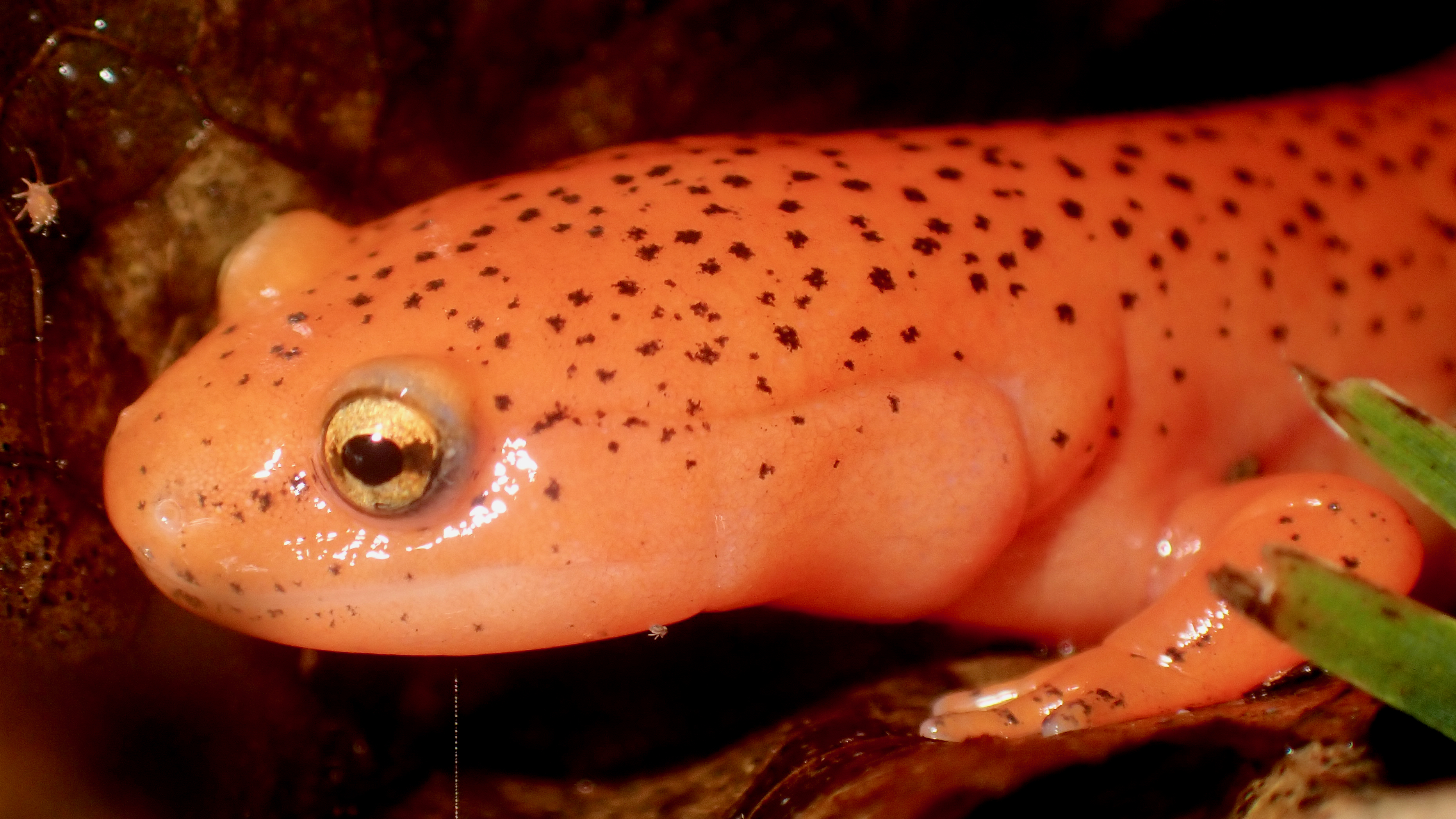
Salamanders are regeneration superstars.
Their dropped tail wriggles violently, keeping predators busy while the amphibian hides.
They regrow:
- Tail
- Spinal cord
- Muscle
- Skin
#2 Gecko
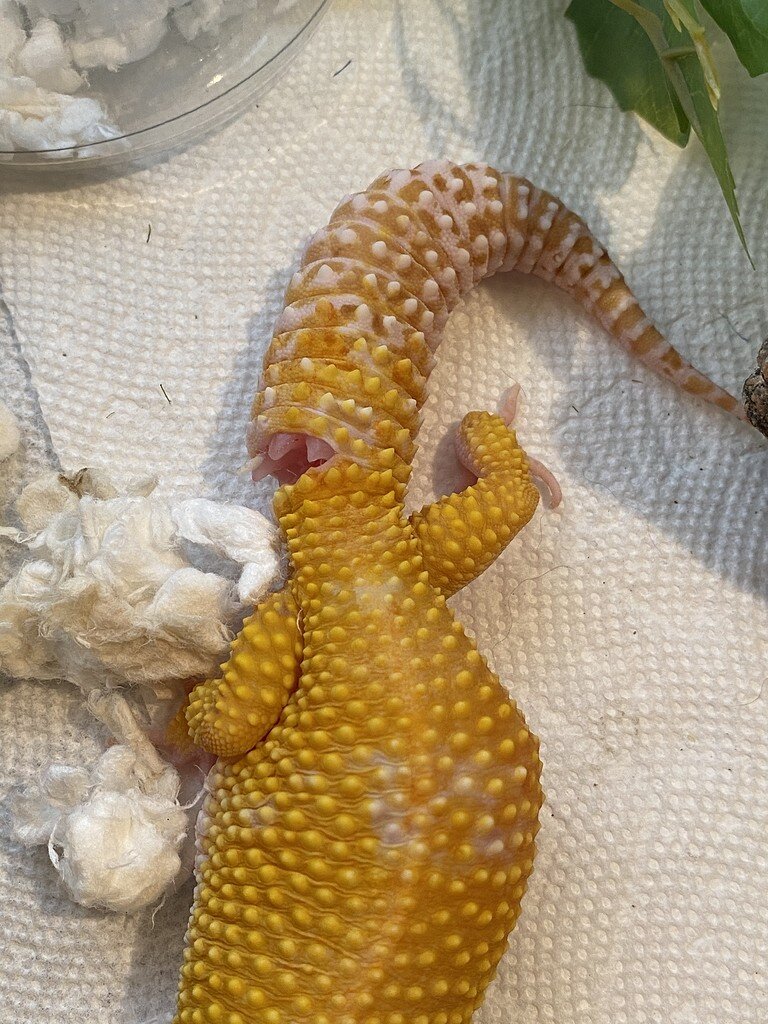


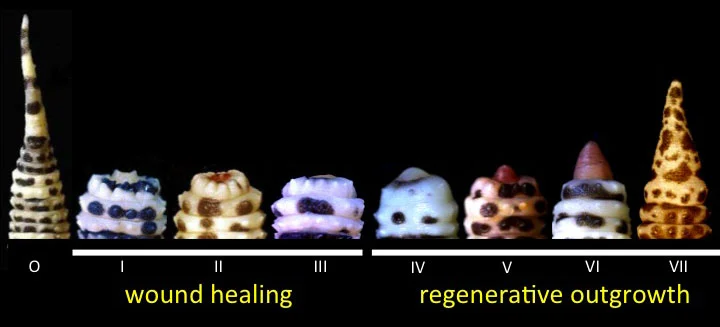
Many house geckos use one of the most famous escape tricks in nature.
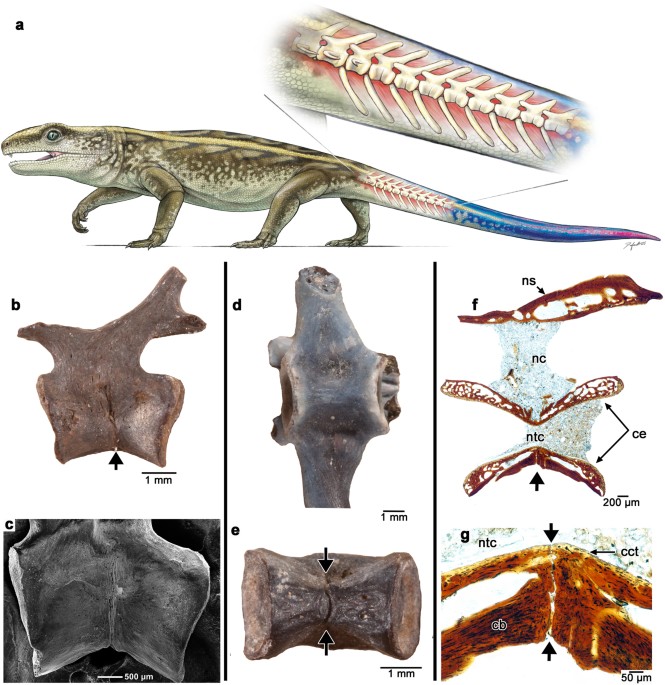
The tail snaps off and thrashes for several minutes — enough time for a perfect getaway.
A new tail grows, though it looks slightly different from the original.
#1 Iguana
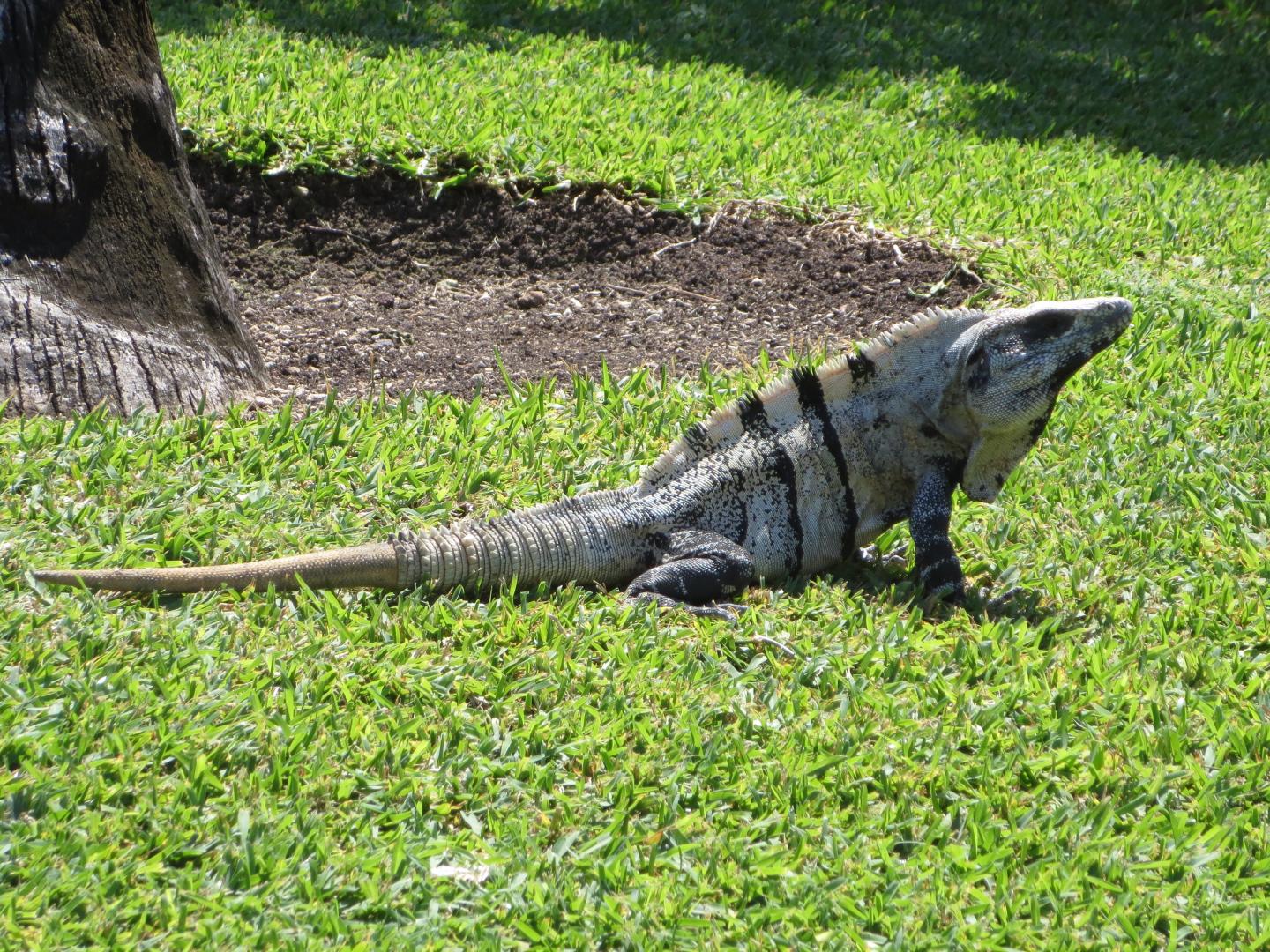
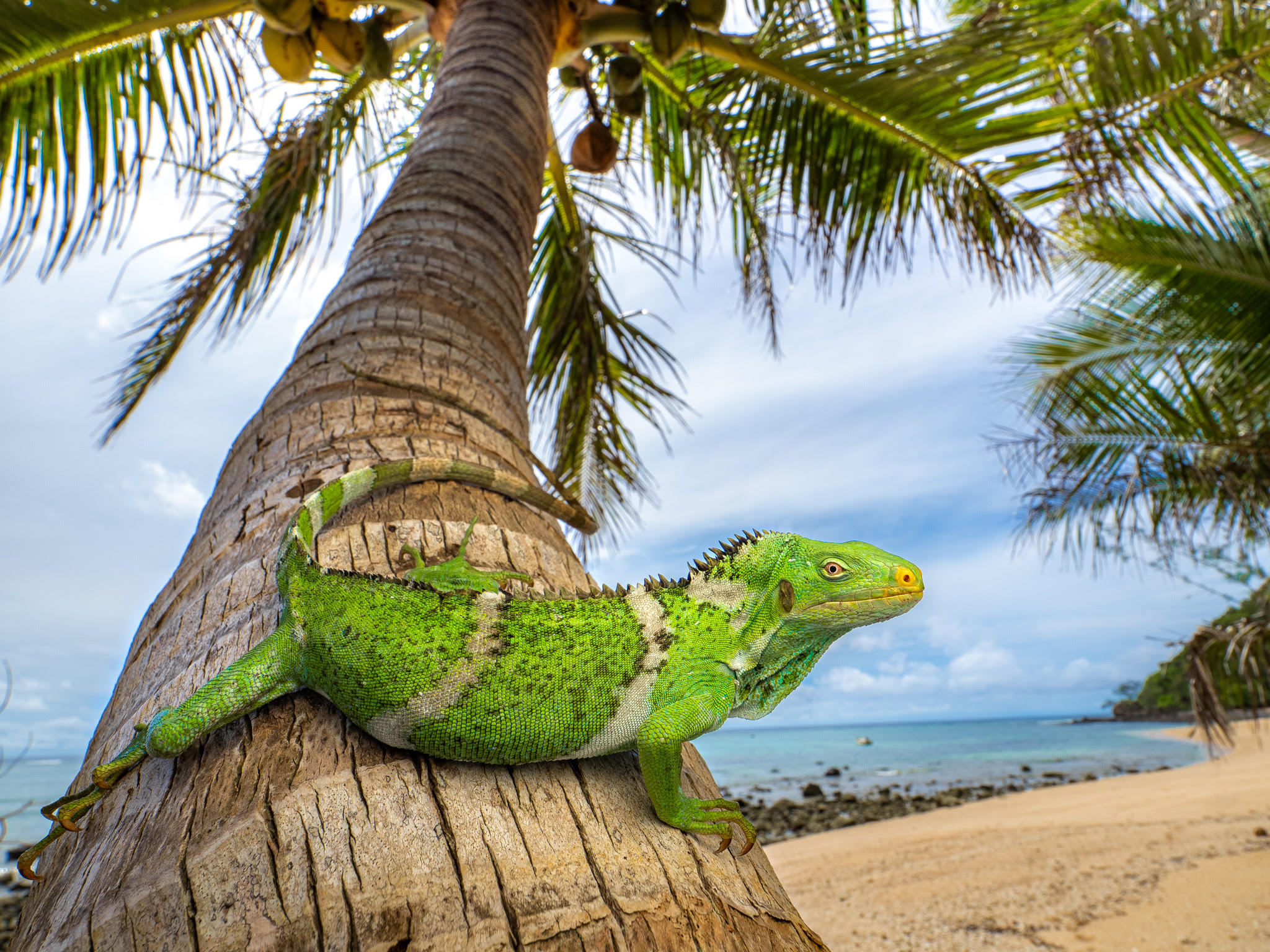
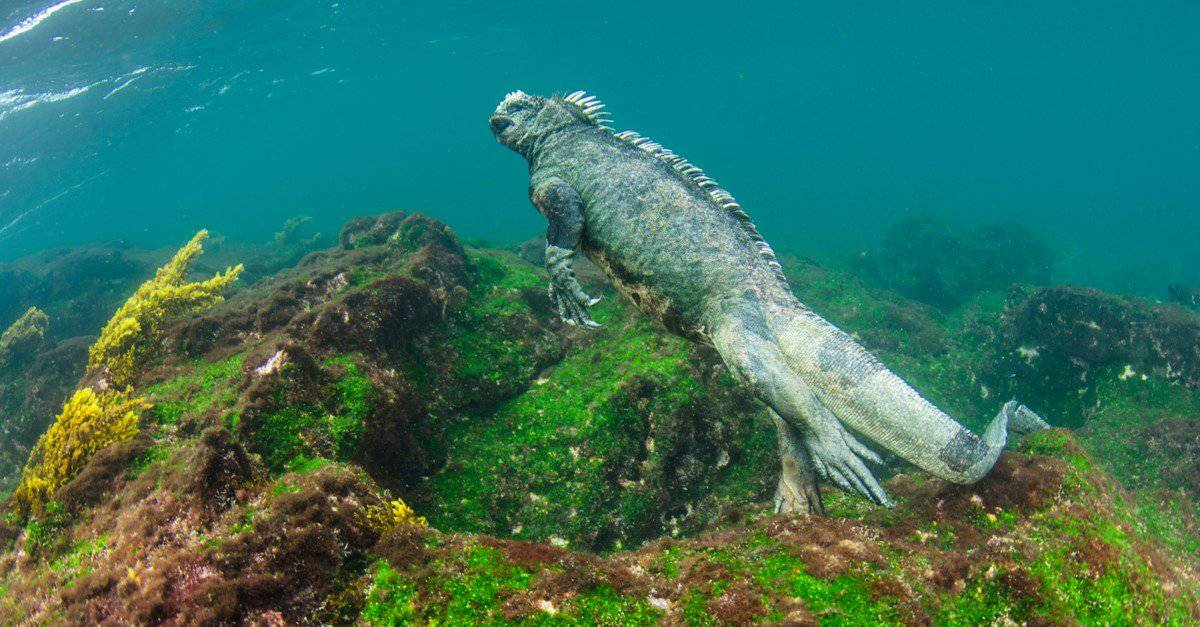
Even large reptiles use autotomy.
An iguana can detach a large portion of its tail when grabbed. The whipping tail distracts predators long enough for the reptile to escape into trees or water.
Over time, the tail regenerates — though usually shorter.
Why Do Animals Detach Body Parts?
Autotomy works because predators instinctively attack movement.
A twitching tail or limb keeps the attacker focused on the wrong target while the animal escapes.
It’s a trade-off:
Lose a body part → survive to reproduce.
Evolution strongly favors survival.
Frequently Asked Questions (FAQ)
Do animals feel pain when they drop a limb?
Most species have special break points and reduced nerves at the detachment site. They likely feel stress, but far less pain than a normal injury.
Do all animals regrow the lost body part?
No.
Some regenerate (lizards, salamanders, octopus).
Others cannot (harvestmen spiders).
How long does regeneration take?
- Lizards: 1–3 months
- Salamanders: weeks
- Octopus: several months
- Sea cucumber organs: a few weeks
Can humans regenerate limbs like these animals?
Humans cannot regrow limbs, but scientists study salamanders and spiny mice to understand regeneration and possible future medical treatments.
Is autotomy dangerous for the animal?
Yes. Losing a tail costs energy and fat reserves, so animals only use it as a last-chance survival defense.
Now your turn:
Which of these animals amazed you the most — the exploding sea cucumber or the regenerating salamander?