
Top 10 Animals That Dominate Their Ecosystem
Nature is not random. Every ecosystem has rulers—animals so powerful, intelligent, or influential that their presence shapes the entire environment around them. These creatures control food chains, balance populations, and even alter landscapes. From land to sea to sky, here are the top 10 animals that truly dominate their ecosystems, ranked from 10 to 1.
Number ten. Honey Badger.

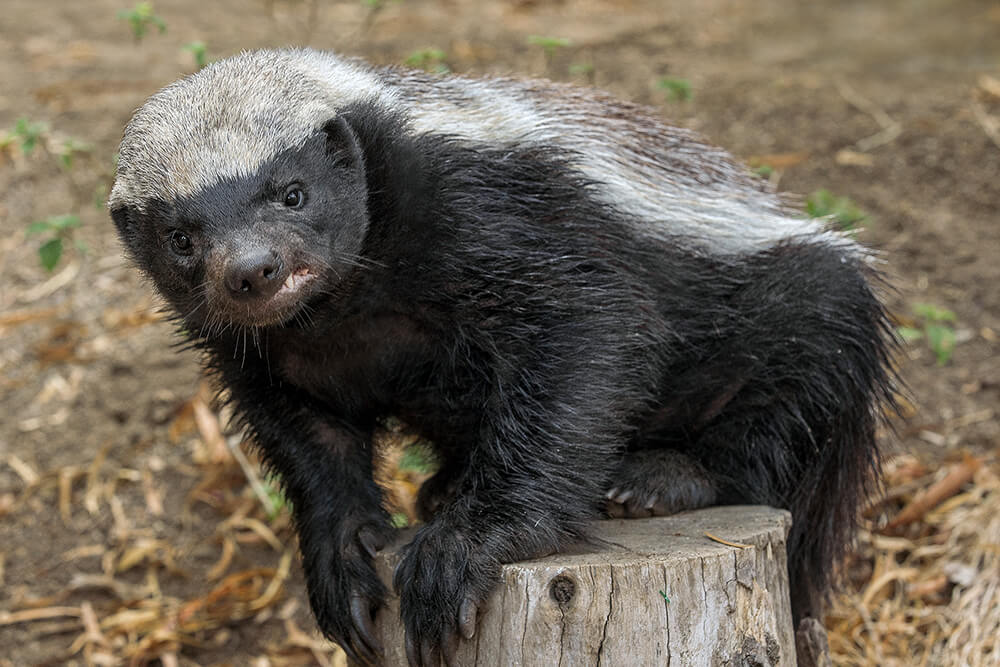
The honey badger may be small, but it is one of the most fearless animals on Earth. It attacks venomous snakes, raids beehives, and steals food from much larger predators. Its thick skin, pain tolerance, and aggressive attitude allow it to survive in environments where others back down. In many African ecosystems, the honey badger is respected because it simply refuses to lose.
Number nine. Wolf.

Wolves dominate ecosystems through teamwork and intelligence. By controlling herbivore populations, they prevent overgrazing and help forests regenerate. Their presence influences rivers, vegetation, and even bird populations. Wolves don’t just hunt—they reshape entire landscapes through balance and pressure.
Number eight. Saltwater Crocodile.
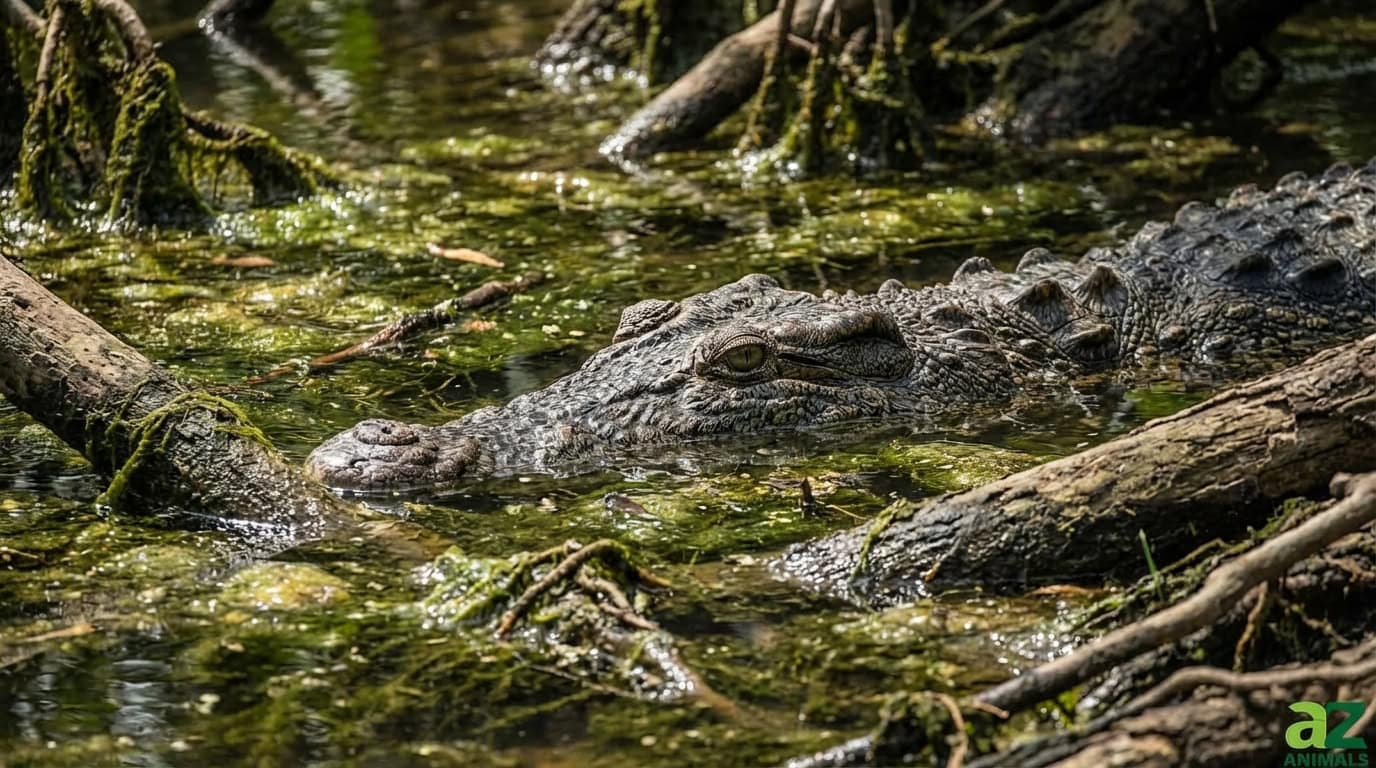

The saltwater crocodile is the ultimate ambush predator. Found in rivers, swamps, and coastal waters, it strikes with explosive force and unmatched bite power. Once it attacks, escape is nearly impossible. Its dominance keeps other predators cautious and maintains order in aquatic ecosystems.
Number seven. Bald Eagle.
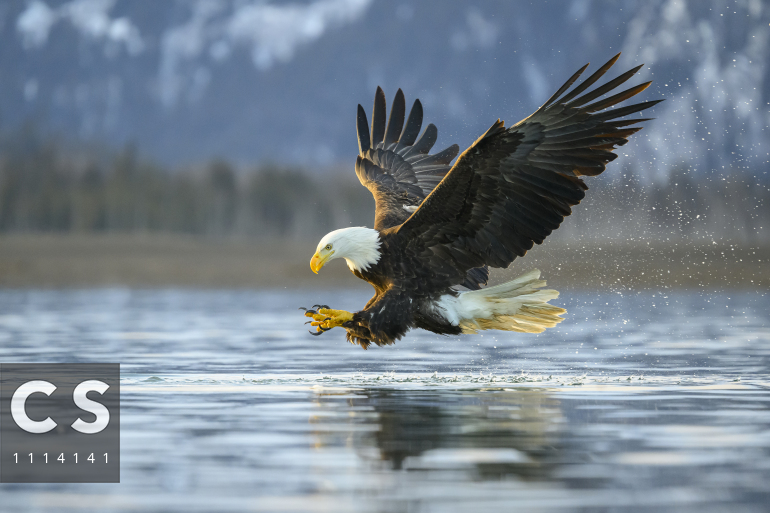
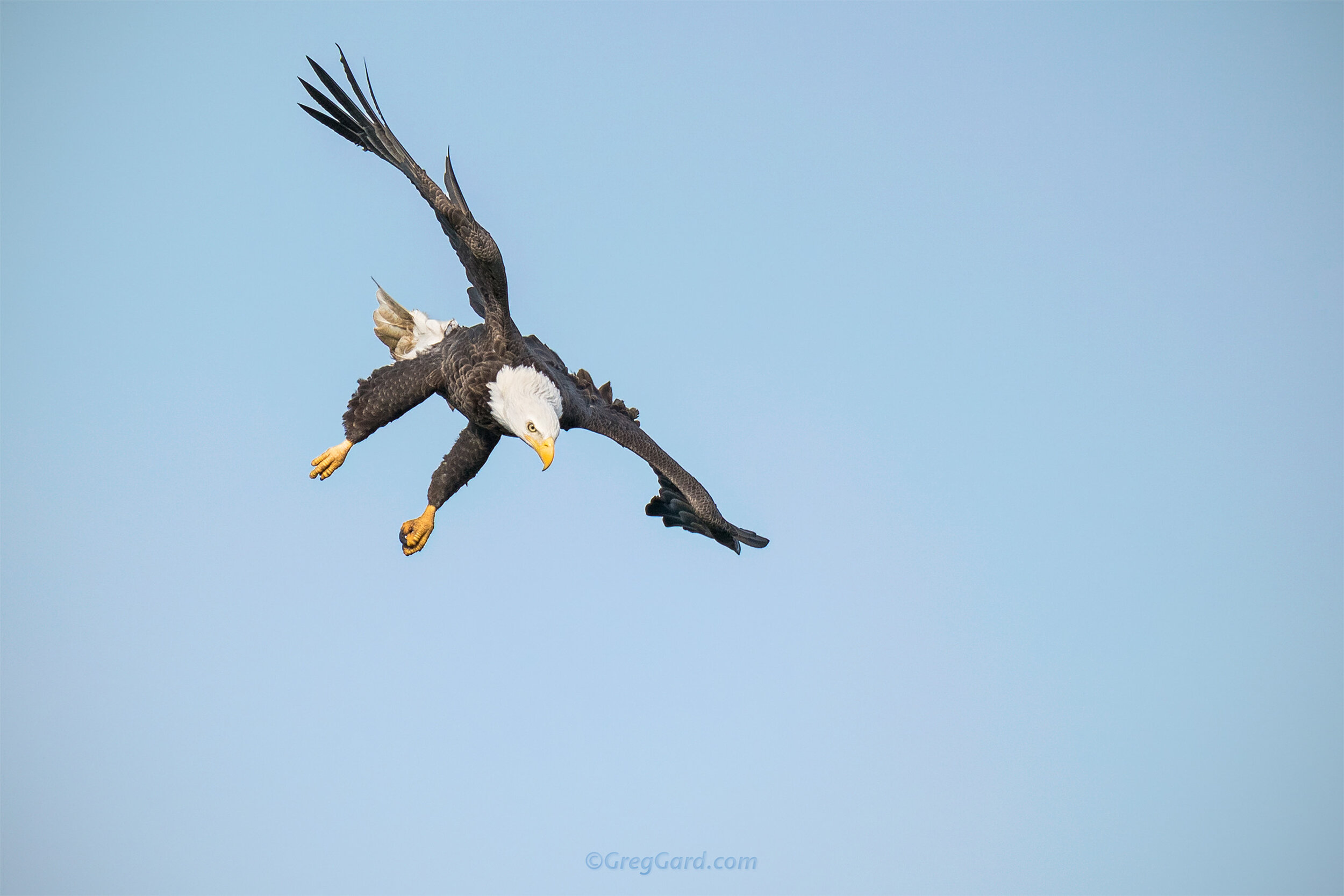
As a top aerial predator, the bald eagle controls waterways and coastlines. With extraordinary eyesight and powerful talons, it hunts fish and small animals with precision. Its dominance from above makes it one of the most influential predators in North American ecosystems.
Number six. Polar Bear.


The polar bear rules the Arctic. Perfectly adapted to extreme cold, it hunts seals across frozen seas and ice shelves. As the top predator in its environment, nothing challenges it. The polar bear’s presence defines survival in one of the harshest ecosystems on Earth.
Number five. Orca (Killer Whale).

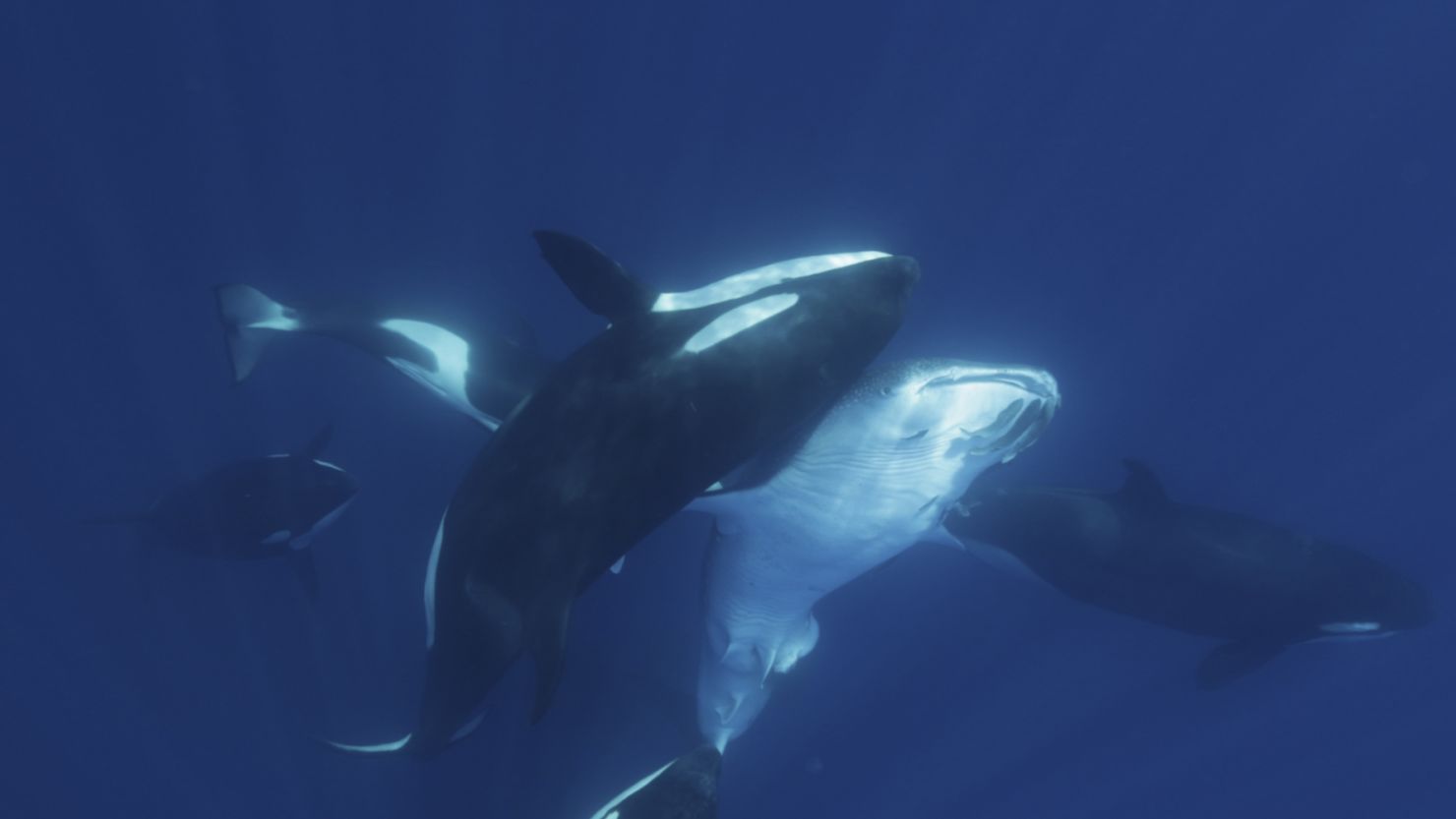
Orcas dominate the oceans with intelligence and cooperation. Hunting in pods, they take down seals, sharks, and even large whales. No marine animal preys on orcas. Their strategic hunting methods make them the undisputed rulers of the sea.
Number four. Anaconda.


In South American wetlands, the anaconda controls the water. This massive snake ambushes prey silently and uses sheer muscle power to overpower animals larger than itself. Few creatures challenge it, making it one of the most dominant predators in jungle ecosystems.
Number three. African Elephant.


African elephants don’t just dominate—they engineer ecosystems. By knocking down trees, digging water holes, and clearing paths, they reshape entire landscapes. Their size alone commands respect, and no predator dares challenge a healthy adult elephant.
Number two. Great White Shark.


The great white shark is the ultimate ocean hunter. With incredible speed, power, and stealth, it attacks from below and vanishes just as quickly. Its presence keeps marine populations balanced and enforces fear across the seas.
Number one. Lion.


The lion stands at the top of the land-based food chain. Its roar alone can silence the savanna. Lions control territory, dominate other predators, and command respect through strength and presence. Across African grasslands, the lion remains the undisputed king of the ecosystem.
Why Apex Animals Matter
Dominant animals are essential for healthy ecosystems. They regulate populations, prevent environmental collapse, and ensure balance. Removing even one apex species can cause massive ecological damage, proving how important these animals truly are.
Frequently Asked Questions (FAQ)
What does it mean to dominate an ecosystem?
It means an animal has a major influence over food chains, population control, and environmental balance, often with little or no natural predators.
Are dominant animals always the biggest?
No. Some animals dominate through intelligence, teamwork, or strategy rather than size, such as wolves or orcas.
Why are apex predators important?
They prevent overpopulation of prey species, protect vegetation, and maintain long-term ecosystem stability.
Can humans replace apex predators?
No. Human intervention cannot replicate the natural balance created by dominant species in the wild.
Which ecosystem is the most competitive?
Savannas and oceans are among the most competitive due to multiple apex predators competing for dominance.
Final engagement question for readers:
Which animal do you believe truly dominates its ecosystem the most—and would you change the number one spot?