
Top 10 Animals That Pretend to Be Dangerous
Nature is full of fascinating survival strategies. While some animals rely on venom, speed, or strength, others survive by pretending to be far more dangerous than they actually are.
Through mimicry, bluffing, and intimidation displays, these clever creatures scare predators away without needing real weapons.
In this article, we explore 10 incredible animals that pretend to be dangerous, counting down from number 10 to number 1.
10. Eastern Hognose Snake

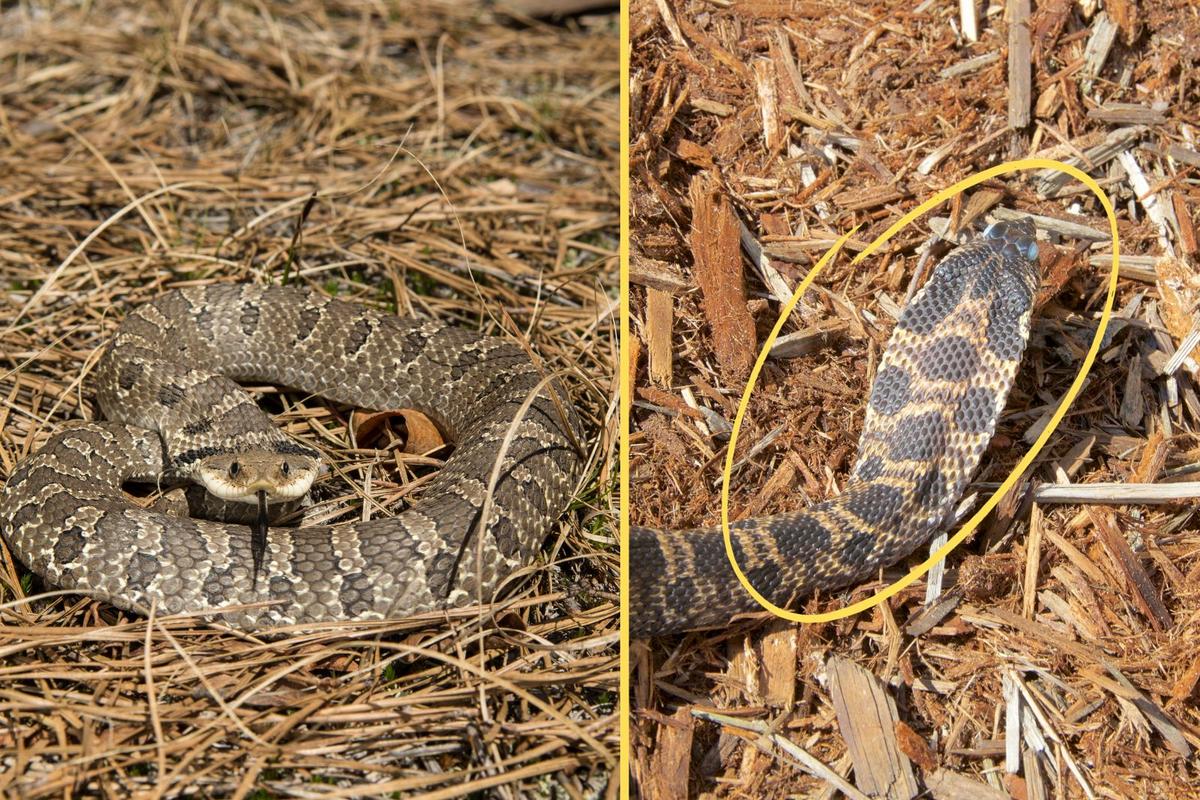


The Eastern Hognose Snake is famous for its dramatic acting skills. When threatened, it flattens its neck like a cobra and hisses loudly to scare predators.
If that intimidating display fails, it performs an even more dramatic trick—pretending to be dead by flipping onto its back with its tongue hanging out.
Despite its fierce performance, the Eastern Hognose Snake is harmless to humans.
9. Owl Butterfly

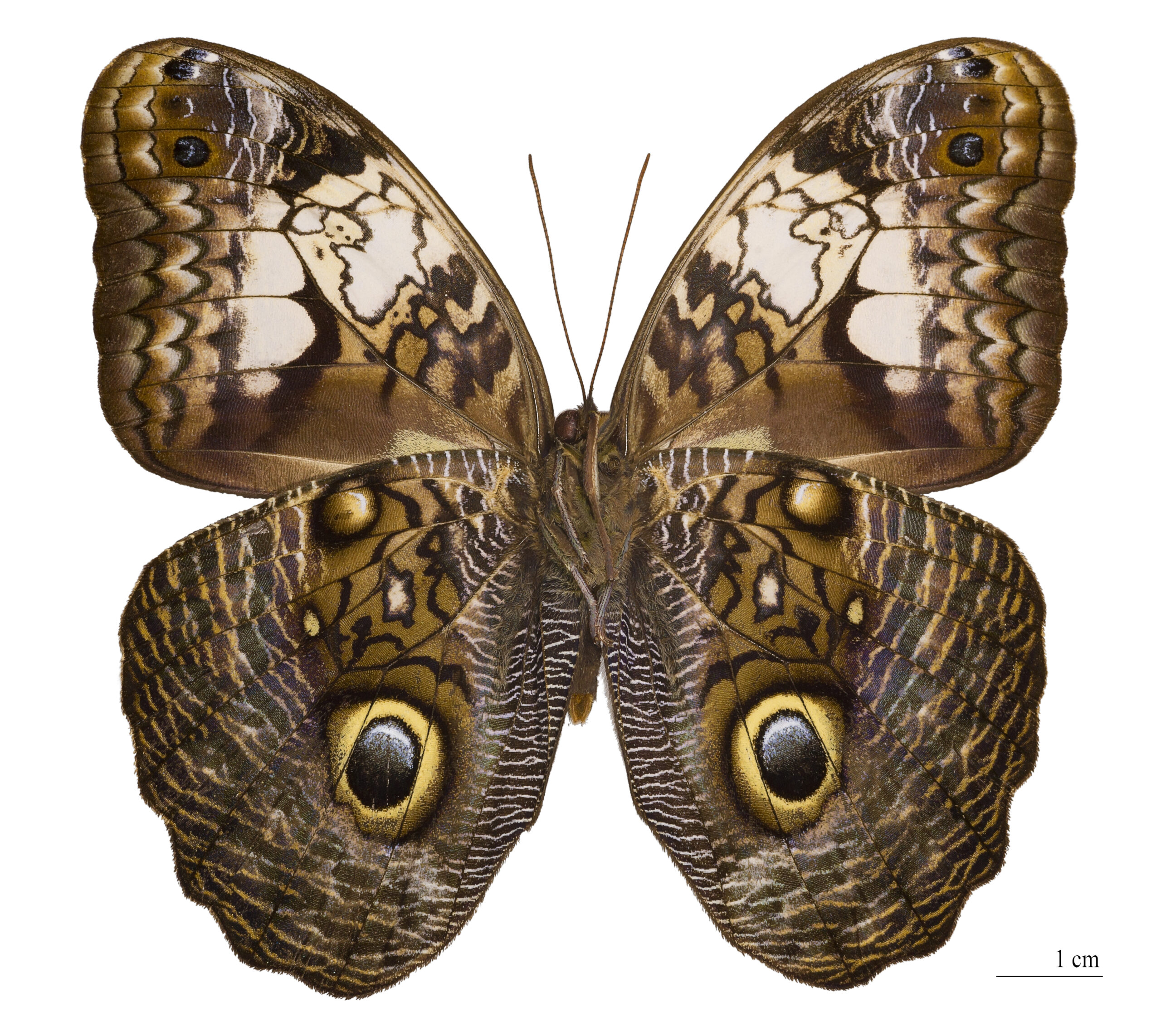


The Owl Butterfly has one of the most impressive optical illusions in nature.
When it spreads its wings, it reveals huge owl-like eyespots that resemble the face of a predator. This sudden display often frightens birds and other predators long enough for the butterfly to escape.
It’s a perfect example of defensive mimicry in the insect world.
8. Hawk Moth Caterpillar

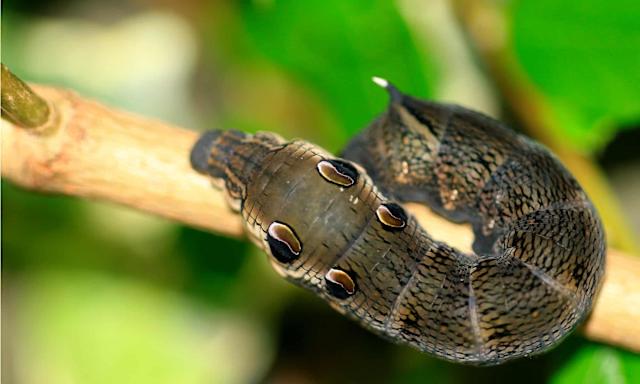
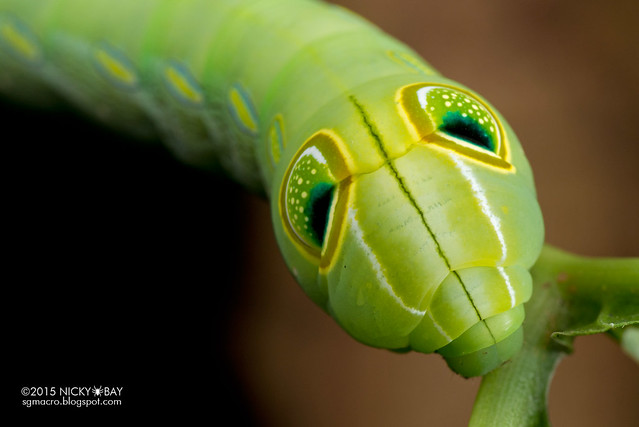
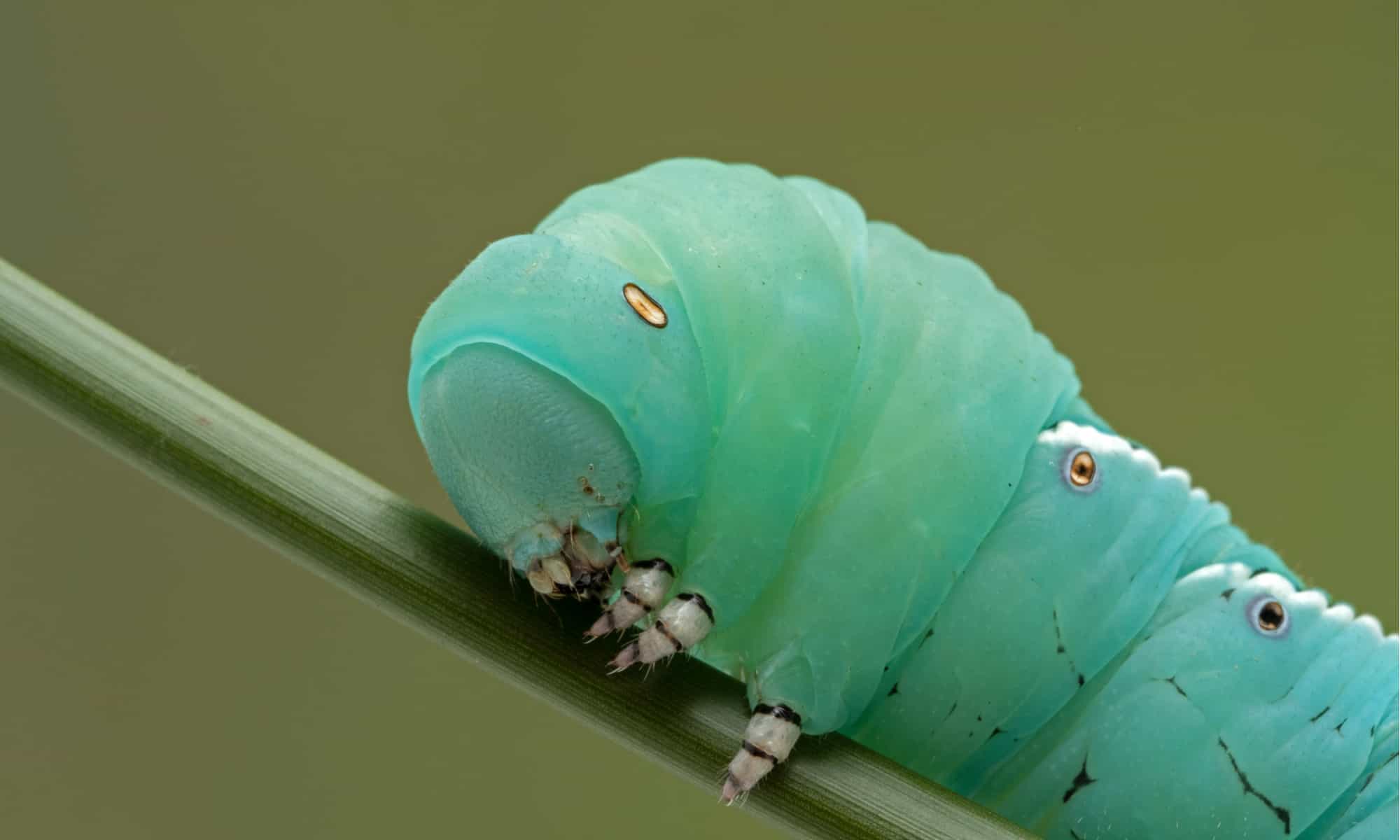
This caterpillar has a clever trick. When threatened, it inflates the front part of its body and reveals snake-like eyespots.
To predators, it suddenly looks like a small snake ready to strike. This illusion is often enough to scare away birds and other hunters.
7. Milk Snake


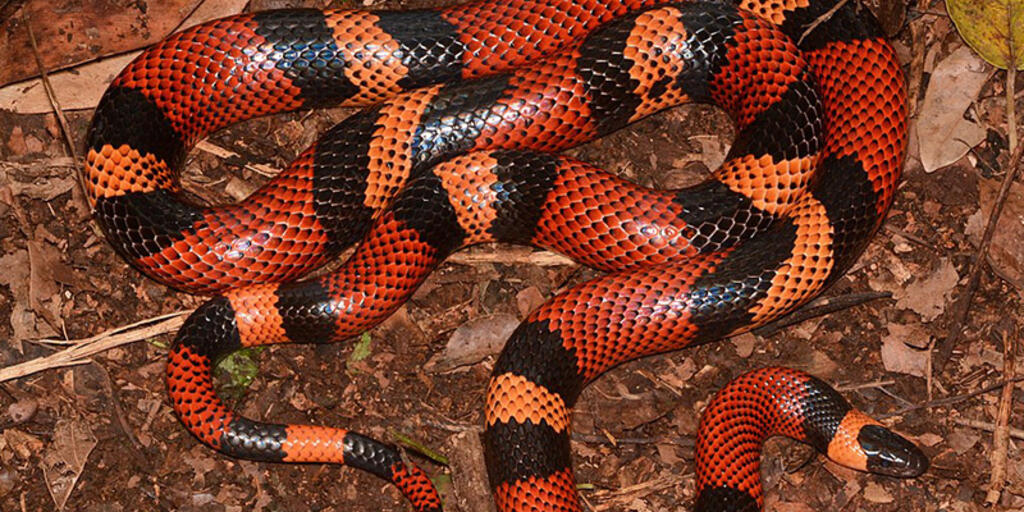
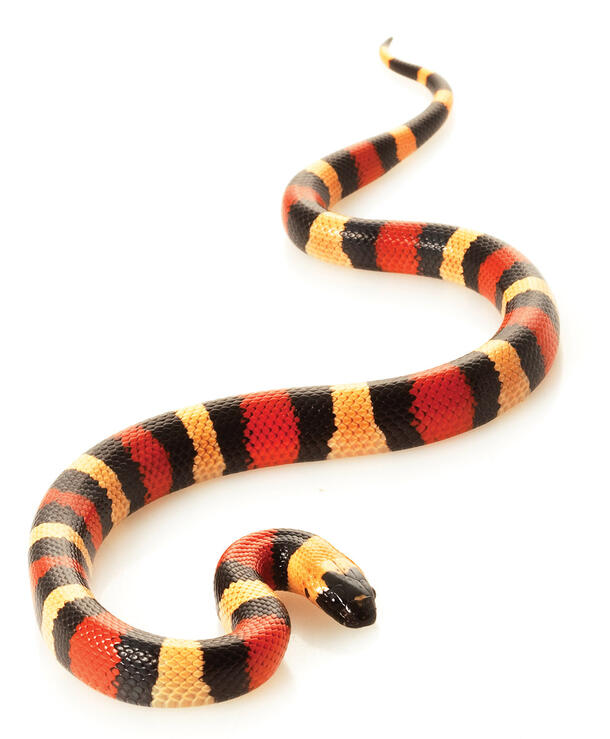
The Milk Snake uses one of the most famous examples of mimicry in nature.
Its bright red, black, and yellow bands resemble the deadly coral snake. Predators that recognize the coral snake’s dangerous reputation avoid the milk snake too.
There’s even a rhyme used to tell them apart:
“Red on yellow, kill a fellow. Red on black, friend of Jack.”
6. False Cobra Snake
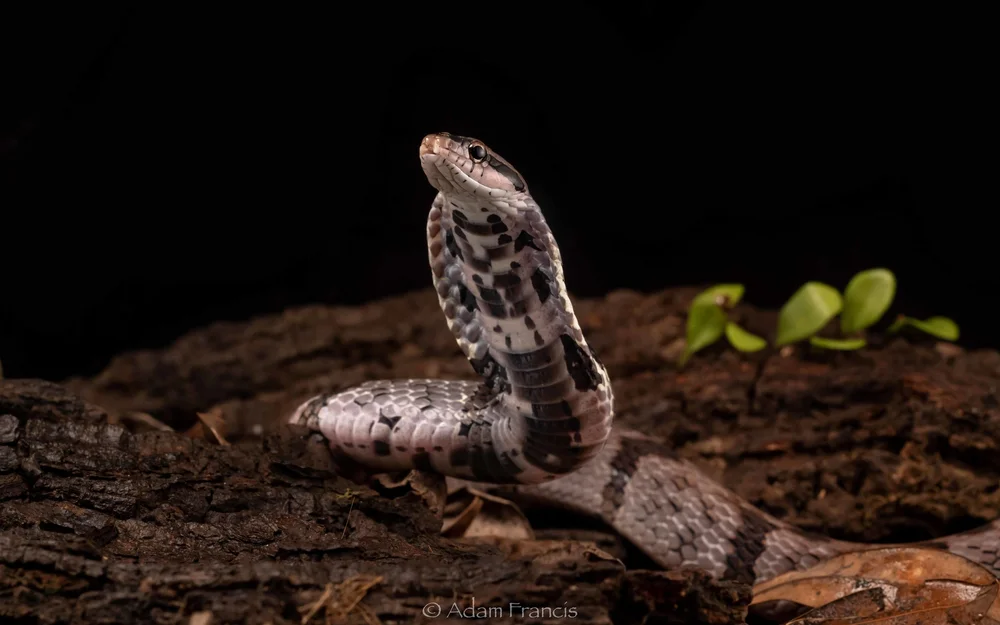
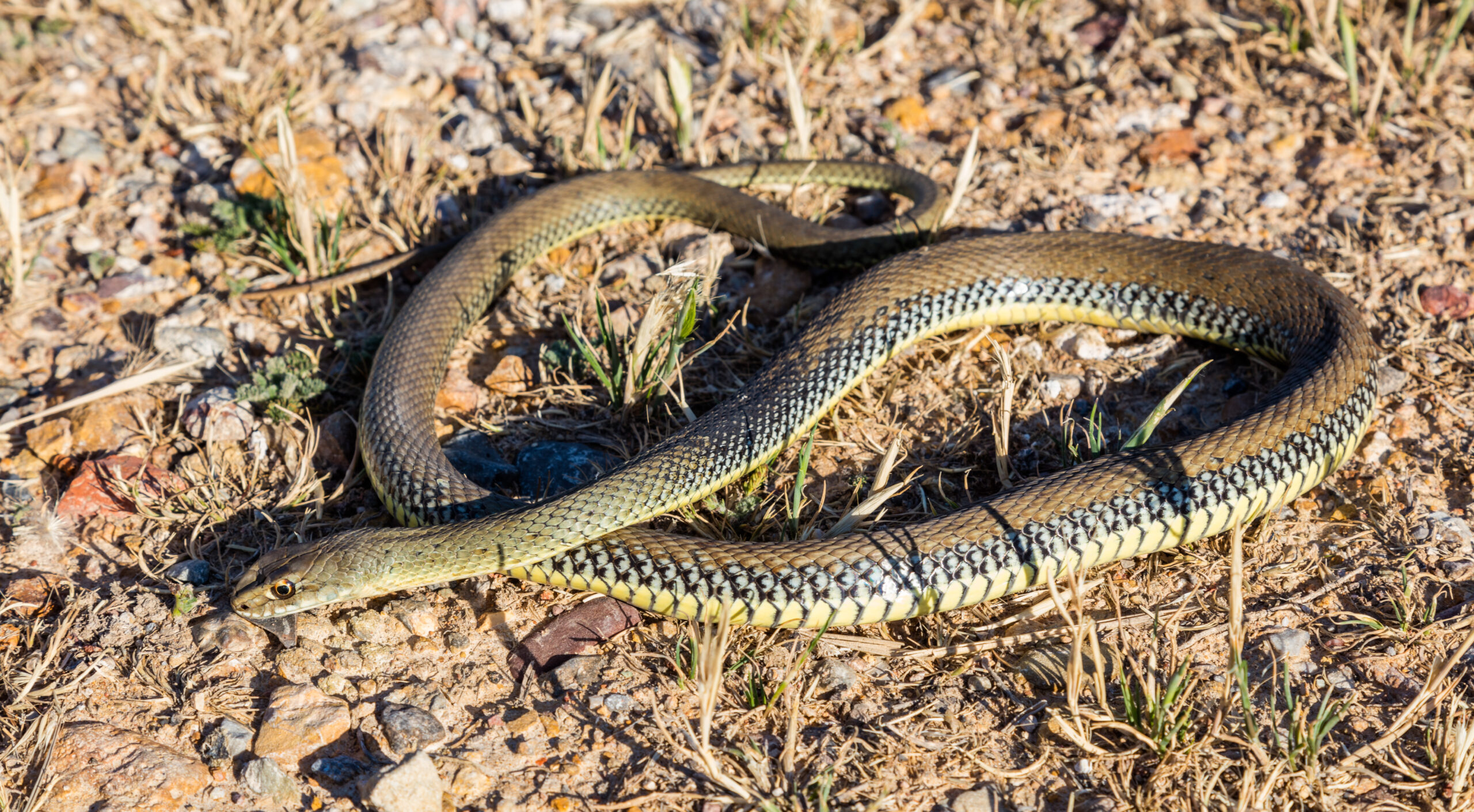
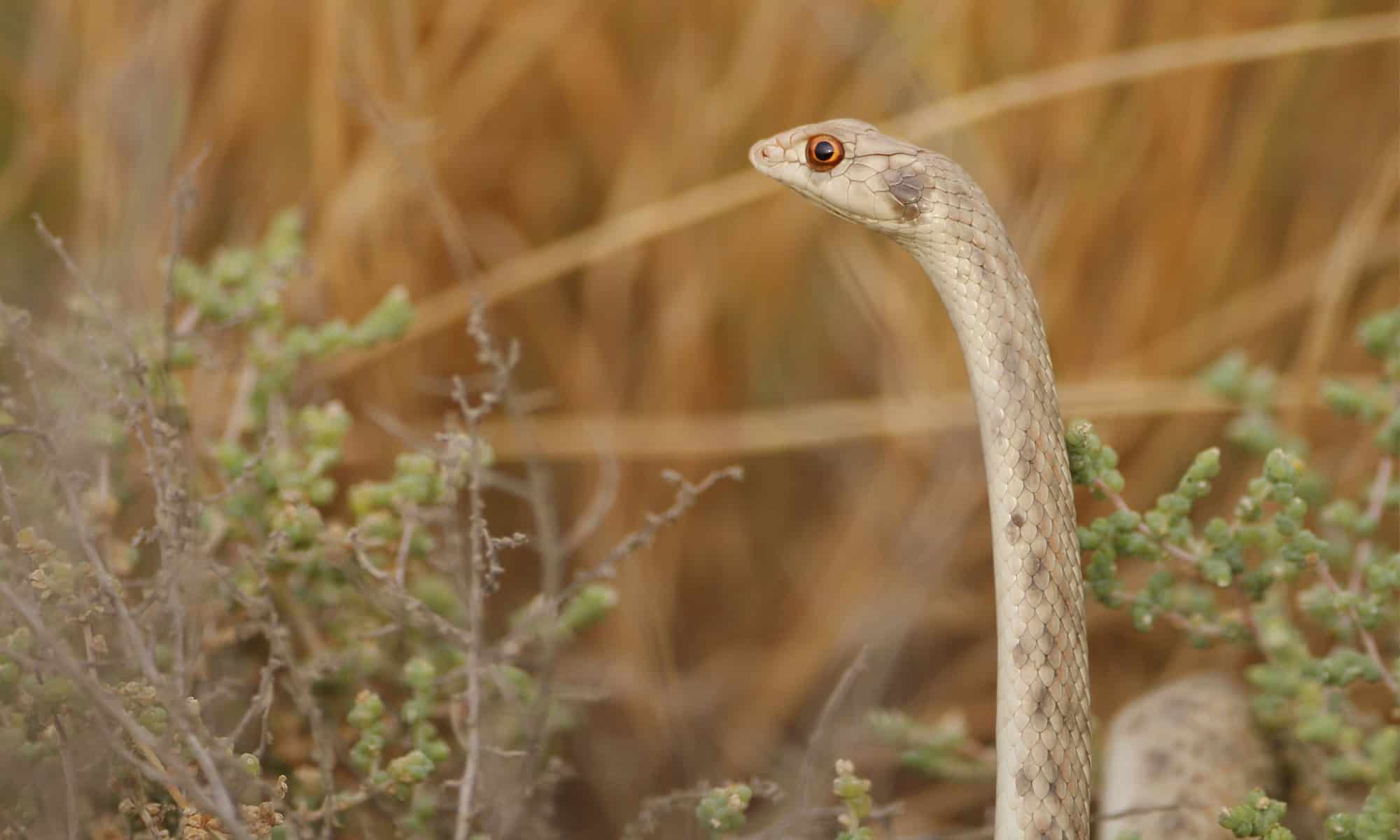

The False Cobra Snake lives up to its name by copying the threatening behavior of real cobras.
When disturbed, it raises its head and spreads its neck to create a cobra-like hood, making predators think twice before attacking.
Although it looks terrifying, it relies more on intimidation than actual danger.
5. Viceroy Butterfly


The Viceroy Butterfly looks strikingly similar to the famous Monarch Butterfly, which is toxic to many predators.
Because predators associate the monarch’s bright colors with a bad taste, they avoid the Viceroy as well.
This type of strategy is known as Batesian mimicry.
4. Frilled Lizard


The Frilled Lizard, native to Australia, has one of the most dramatic defensive displays.
When threatened, it suddenly spreads a large frill around its neck, opens its mouth wide, and hisses loudly.
This makes the lizard appear much larger and more dangerous than it really is.
3. Pufferfish


The Pufferfish transforms from small and harmless into a spiky balloon when threatened.
By swallowing water or air, it inflates its body dramatically. This makes it difficult—and dangerous—for predators to swallow.
Many pufferfish species also contain powerful toxins, making their bluff even more convincing.
2. Hognose Snake (Playing Dead)
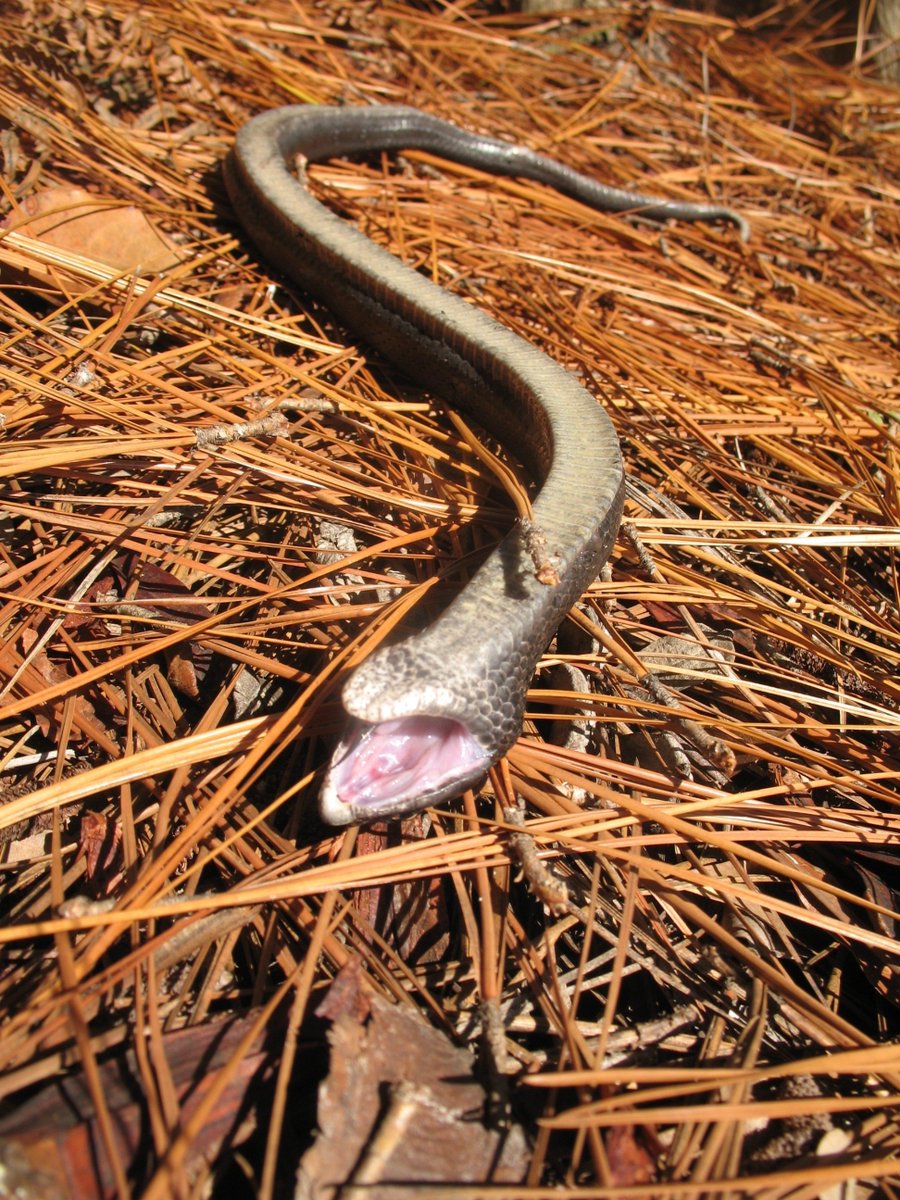


The Hognose Snake deserves an award for the most dramatic performance in the animal kingdom.
If intimidation doesn’t work, it flips onto its back, sticks out its tongue, and pretends to be dead.
Some predators avoid dead animals, so this bizarre act can save the snake’s life.
1. Giant Owl Moth

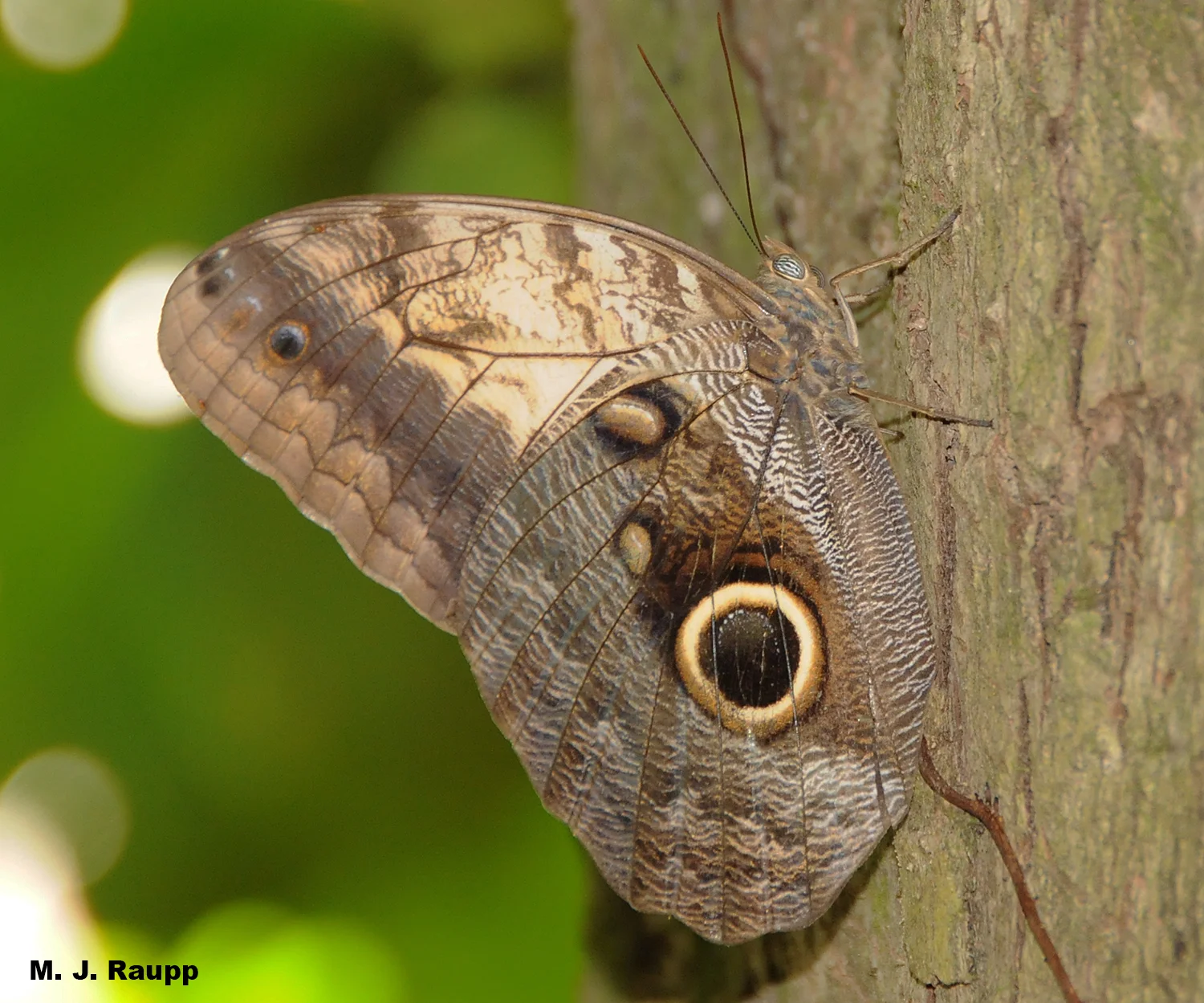
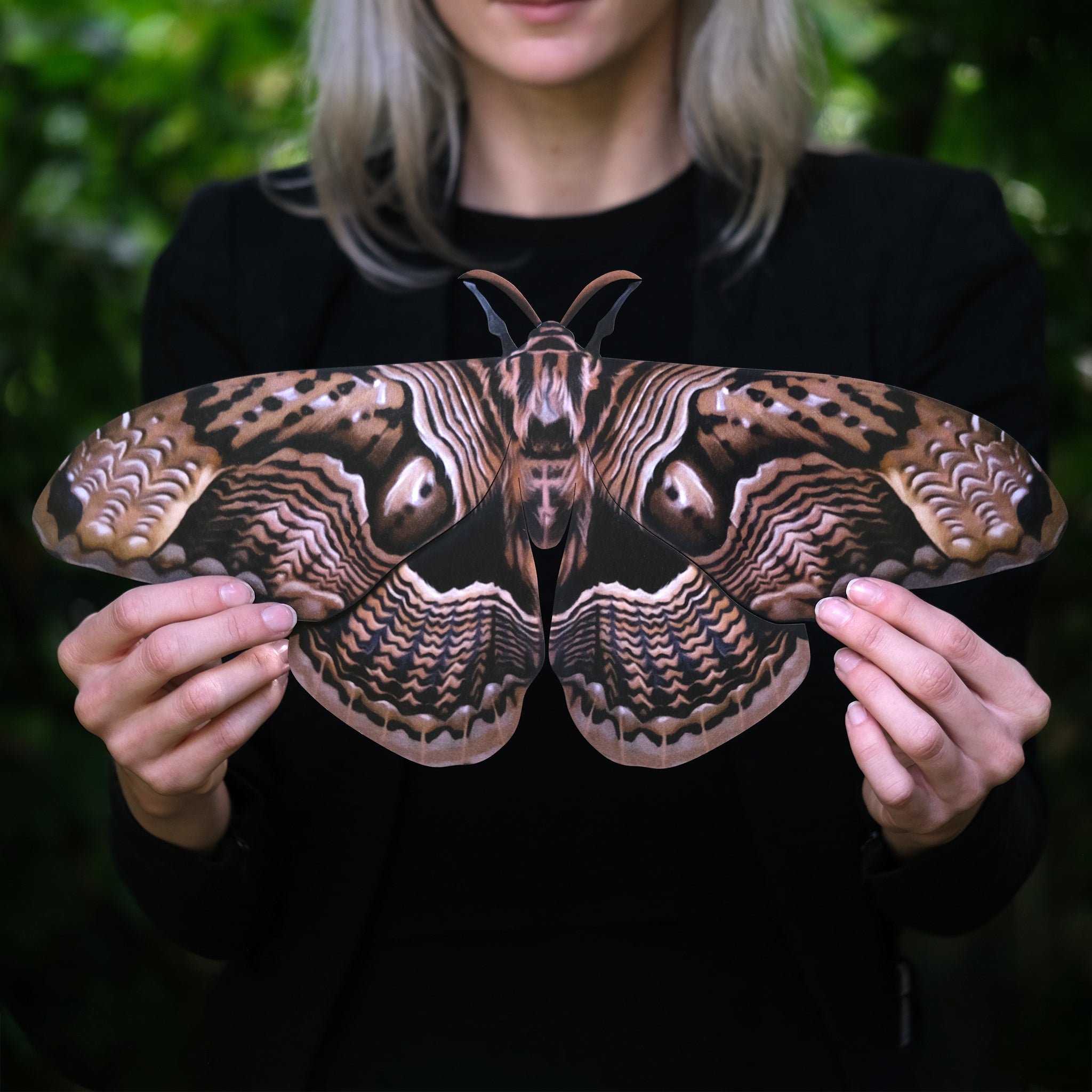
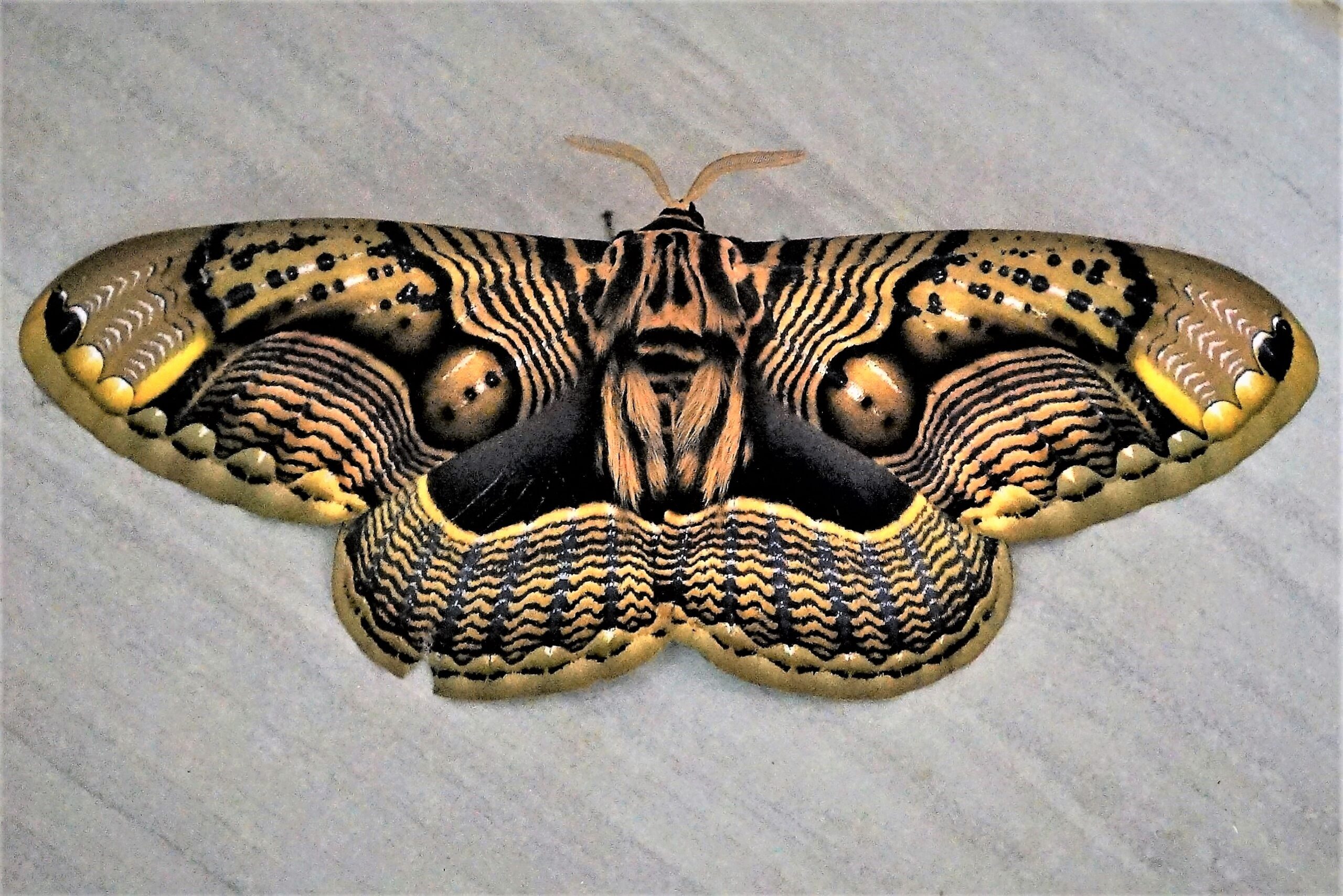
The Giant Owl Moth takes deception to another level.
When it spreads its wings, enormous owl-like eyes suddenly appear. These markings mimic the face of a large predator, startling birds and other animals.
For a moment, predators think a much larger creature is staring back.
Why Do Animals Pretend to Be Dangerous?
Many animals survive using bluffing strategies because developing real weapons like venom or claws requires more energy and evolutionary adaptation.
By simply looking dangerous, these animals can avoid fights entirely.
Common defensive tricks include:
- Mimicry of dangerous animals
- Fake eyes or predator patterns
- Inflating the body
- Dramatic displays
- Playing dead
These tactics allow animals to escape predators without physical confrontation.
Frequently Asked Questions (FAQ)
What is animal mimicry?
Animal mimicry is when one species imitates another animal’s appearance or behavior to avoid predators or catch prey.
Are animals that pretend to be dangerous actually harmful?
Most of them are harmless or only mildly defensive, relying mainly on intimidation rather than real danger.
Why do animals have fake eye patterns?
Fake eyes, called eyespots, confuse predators and make animals appear larger or more threatening.
What is Batesian mimicry?
Batesian mimicry occurs when a harmless animal copies the warning signals of a dangerous species to avoid being attacked.
Which animals are best at bluffing?
Some of the most convincing bluffers include hognose snakes, owl butterflies, frilled lizards, and pufferfish.
✅ Final Thought
Nature proves that survival isn’t always about strength. Sometimes, the smartest strategy is simply pretending to be scarier than you really are.
From butterflies with predator eyes to snakes that fake their own death, these animals show just how creative evolution can be.