
Top 10 Animals That Survive Extreme Cold (How Nature Beats the Ice)
Surviving in extreme cold isn’t just about thick fur — it’s about evolution, behavior, and incredible biological adaptations. From frozen oceans to Arctic tundras where temperatures plunge below –50°C (–58°F), these animals don’t just survive… they thrive.
Below are the Top 10 animals that can withstand the coldest environments on Earth, ranked from 10 to 1, with fascinating facts and stunning visuals.
Number 10 – Snowy Owl


The snowy owl is built for life in the Arctic. Its thick feather coverage, including feathers on its legs and feet, acts like thermal armor against freezing winds.
Unlike many birds, snowy owls hunt day and night, conserving energy while remaining alert in harsh polar conditions. Their white plumage also provides perfect camouflage in snowy landscapes.
Cold survival secret: Dense feathers + heat retention
Habitat: Arctic tundra
Fun fact: Snowy owls are heavier than most owls to store more body heat.
Number 9 – Arctic Fox

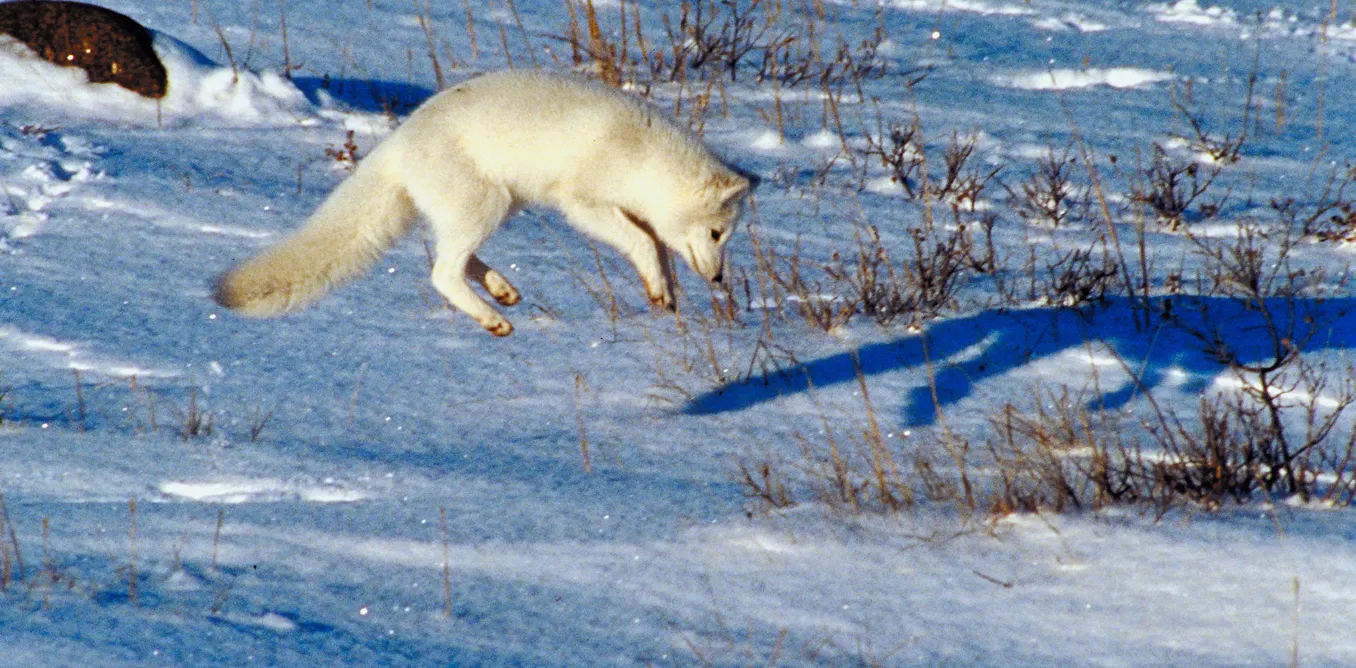

The Arctic fox has some of the warmest fur of any mammal on Earth. It even covers its nose with its fluffy tail while sleeping to stay warm.
Its fur changes color with the seasons, turning pure white in winter to blend perfectly with the snow.
Cold survival secret: Extreme insulation + compact body
Habitat: Arctic regions
Fun fact: Arctic foxes can survive temperatures as low as –70°C (–94°F).
Number 8 – Emperor Penguin


Emperor penguins survive Antarctic winters by forming massive huddles, rotating positions so no one penguin freezes.
They also have a thick fat layer and tightly packed feathers that block icy winds.
Cold survival secret: Group heat-sharing + blubber
Habitat: Antarctica
Fun fact: Males incubate eggs for months without eating during winter.
Number 7 – Musk Ox
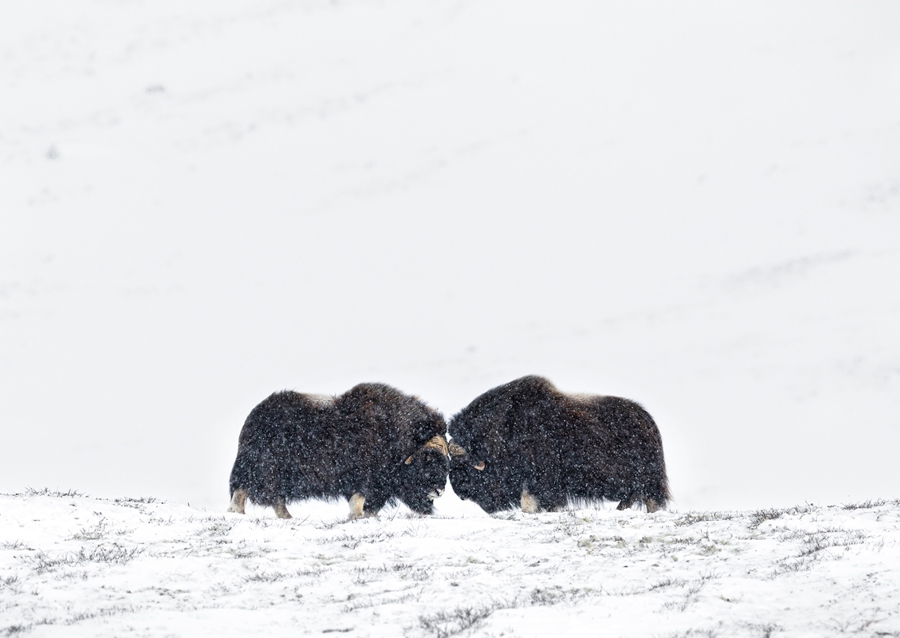


Musk oxen look prehistoric — and for good reason. Their long outer hair protects an inner layer of qiviut, one of the warmest natural fibers in the world.
When storms hit, they stand together, facing outward to block wind and predators.
Cold survival secret: Double-layer fur + herd defense
Habitat: Arctic tundra
Fun fact: Qiviut is warmer than sheep’s wool.
Number 6 – Polar Bear



Polar bears are the largest land predators on Earth and are perfectly adapted to icy conditions. Their black skin absorbs heat, while hollow fur reflects light for insulation.
They also have thick fat layers that allow them to swim in freezing water for hours.
Cold survival secret: Blubber + heat-absorbing skin
Habitat: Arctic sea ice
Fun fact: Polar bears can smell prey from over 1 mile away.
Number 5 – Reindeer (Caribou)
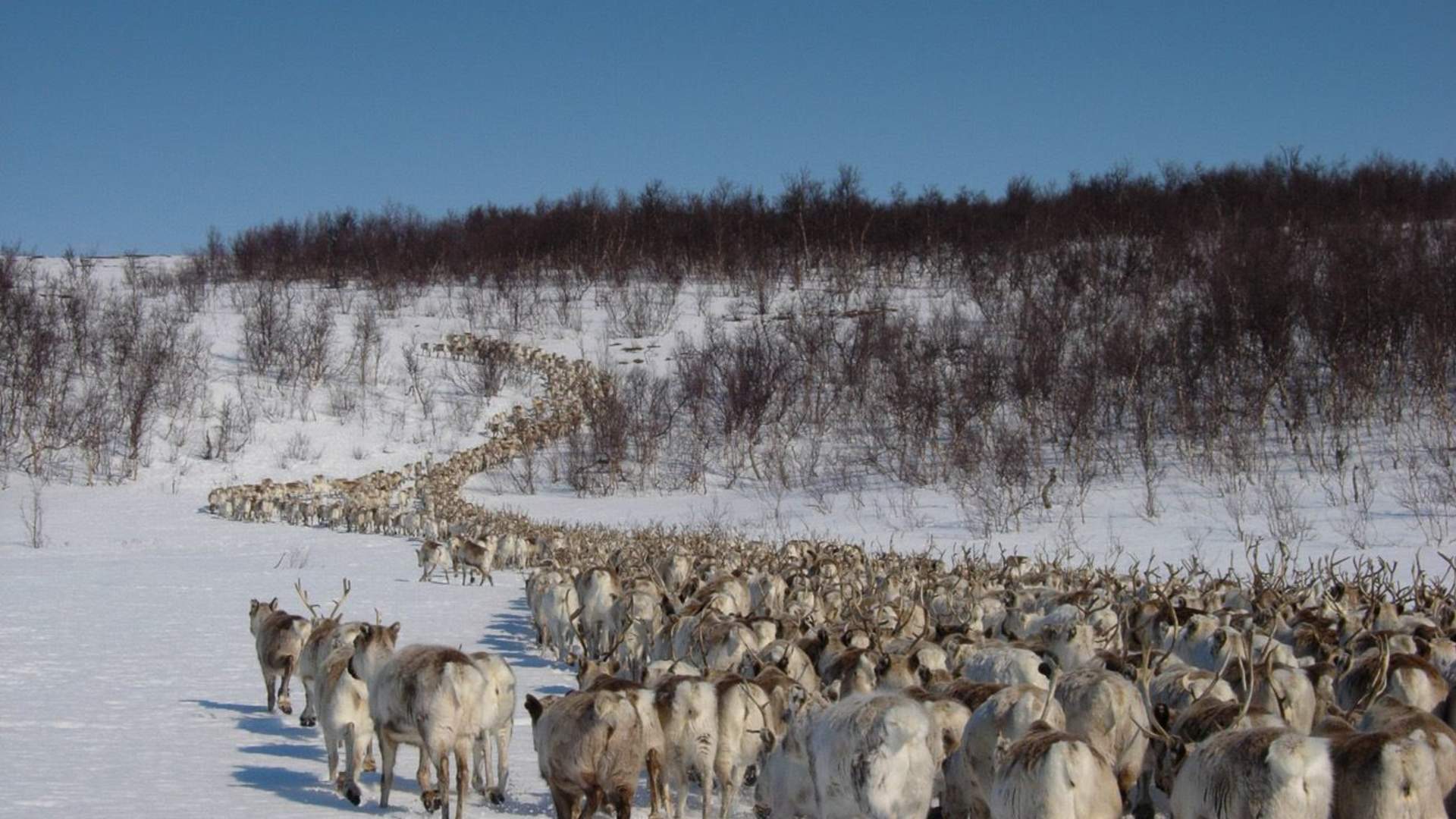


Reindeer are built to travel long distances through snow. Their hooves act like natural snowshoes, and they can dig through snow to find food.
Their noses also warm incoming air before it reaches the lungs.
Cold survival secret: Specialized hooves + nasal heat control
Habitat: Northern tundra and forests
Fun fact: Reindeer can see ultraviolet light, helping them spot predators in snow.
Number 4 – Siberian Tiger


The Siberian tiger, also known as the Amur tiger, thrives in freezing forests thanks to thick fur and fat layers that protect it from extreme cold.
Its massive paws help it walk silently over snow while hunting.
Cold survival secret: Insulating fur + powerful body
Habitat: Russian Far East
Fun fact: Siberian tigers are the largest tiger subspecies.
Number 3 – Walrus



Walruses rely on thick blubber to stay warm in freezing Arctic waters. Their tusks help them pull onto ice and defend territory.
They often rest in groups, reducing heat loss.
Cold survival secret: Blubber + social resting
Habitat: Arctic seas
Fun fact: Walrus blubber can be over 10 cm thick.
Number 2 – Arctic Wolf
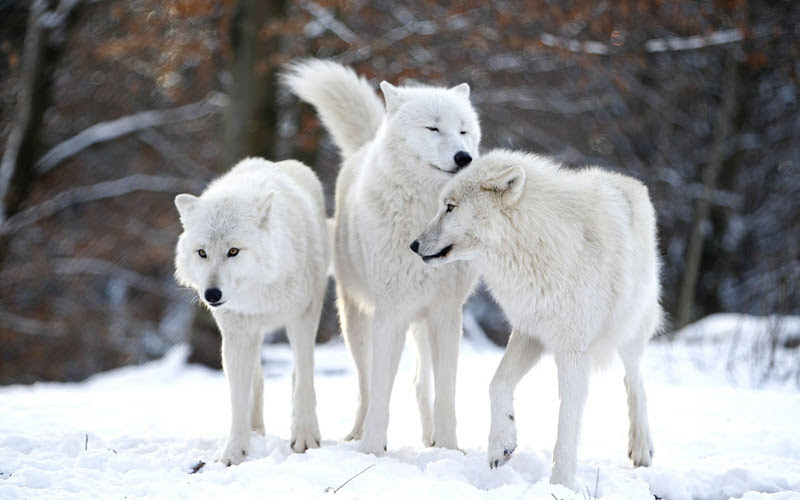
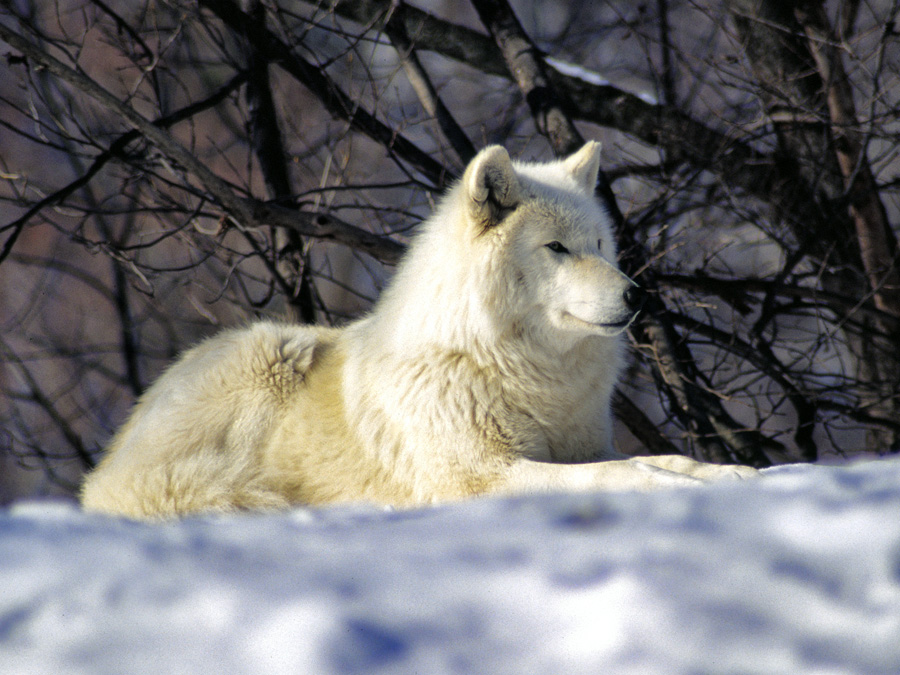

Arctic wolves survive brutal winters by living in packs and hunting cooperatively. Their short ears and thick fur minimize heat loss.
They can travel dozens of miles in freezing temperatures without shelter.
Cold survival secret: Pack survival + thermal fur
Habitat: Arctic tundra
Fun fact: Arctic wolves rarely encounter humans due to remote habitats.
Number 1 – Tardigrade (The Ultimate Survivor)

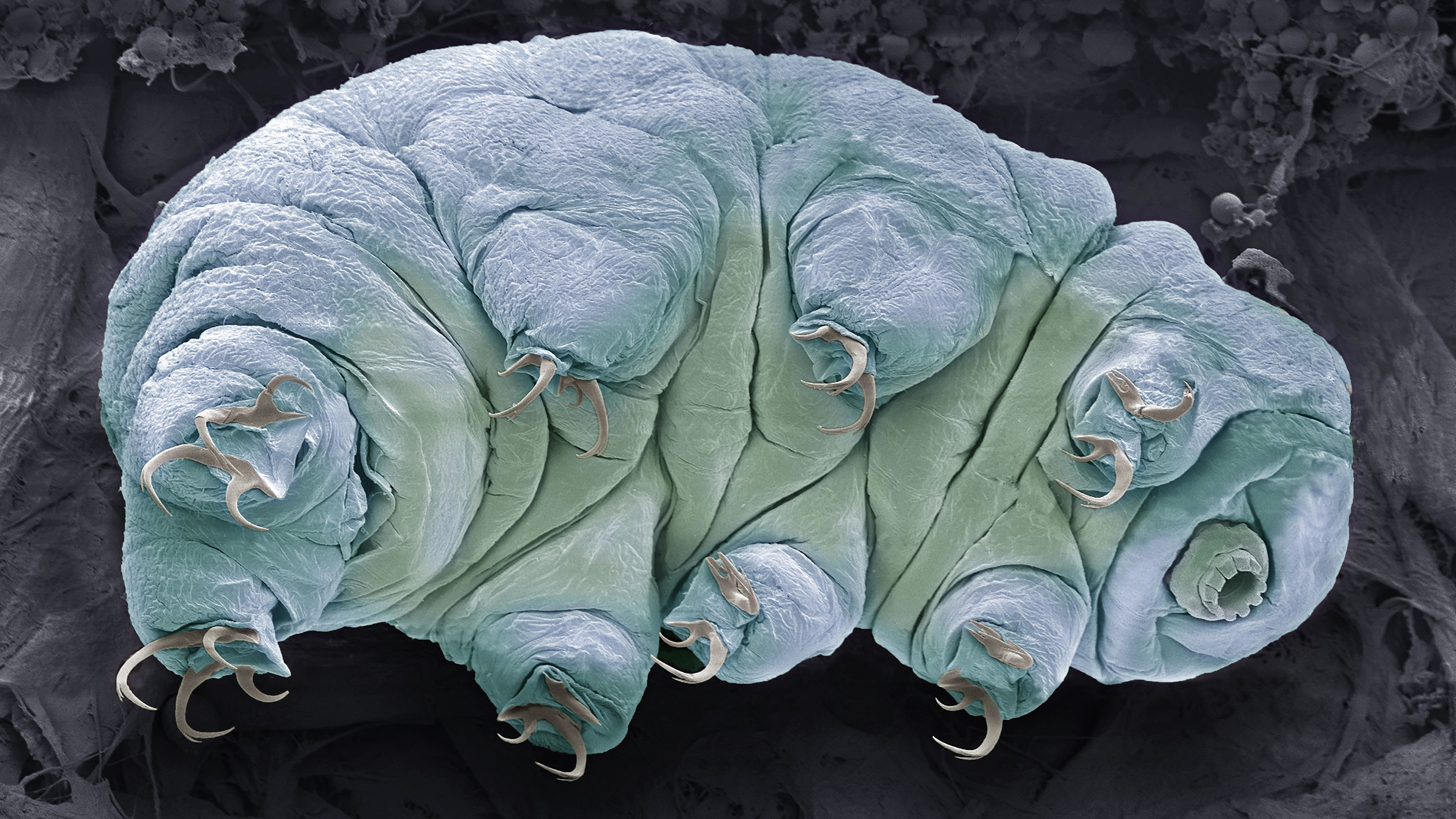

The tardigrade, also known as the water bear, is nearly indestructible. It can survive extreme cold, heat, radiation, and even space by entering a cryptobiotic state.
In this state, it essentially shuts down until conditions improve.
Cold survival secret: Complete metabolic shutdown
Habitat: Everywhere on Earth
Fun fact: Tardigrades can survive temperatures near absolute zero.
Why These Animals Matter
These cold-surviving animals teach us how adaptation and resilience allow life to flourish in the most hostile environments on Earth. As climate change reshapes icy ecosystems, understanding these creatures is more important than ever.
FAQ – Animals That Survive Extreme Cold
Q: What animal survives the coldest temperatures?
A: The tardigrade survives the most extreme cold, even near absolute zero.
Q: Which mammal has the warmest fur?
A: The Arctic fox has some of the best natural insulation in the animal kingdom.
Q: How do animals avoid freezing?
A: Thick fur, blubber, behavioral adaptations, and group survival strategies.