
Top 10 Animals That Travel the Farthest on Earth
Animal migration is one of nature’s most astonishing survival strategies. Across land, sea, and sky, certain species travel thousands — sometimes tens of thousands — of miles every year to find food, breed, or survive extreme seasons.
Here are the top 10 animals that travel the farthest, ranked from impressive to absolutely unbelievable.
Number Ten. Gray Whale.

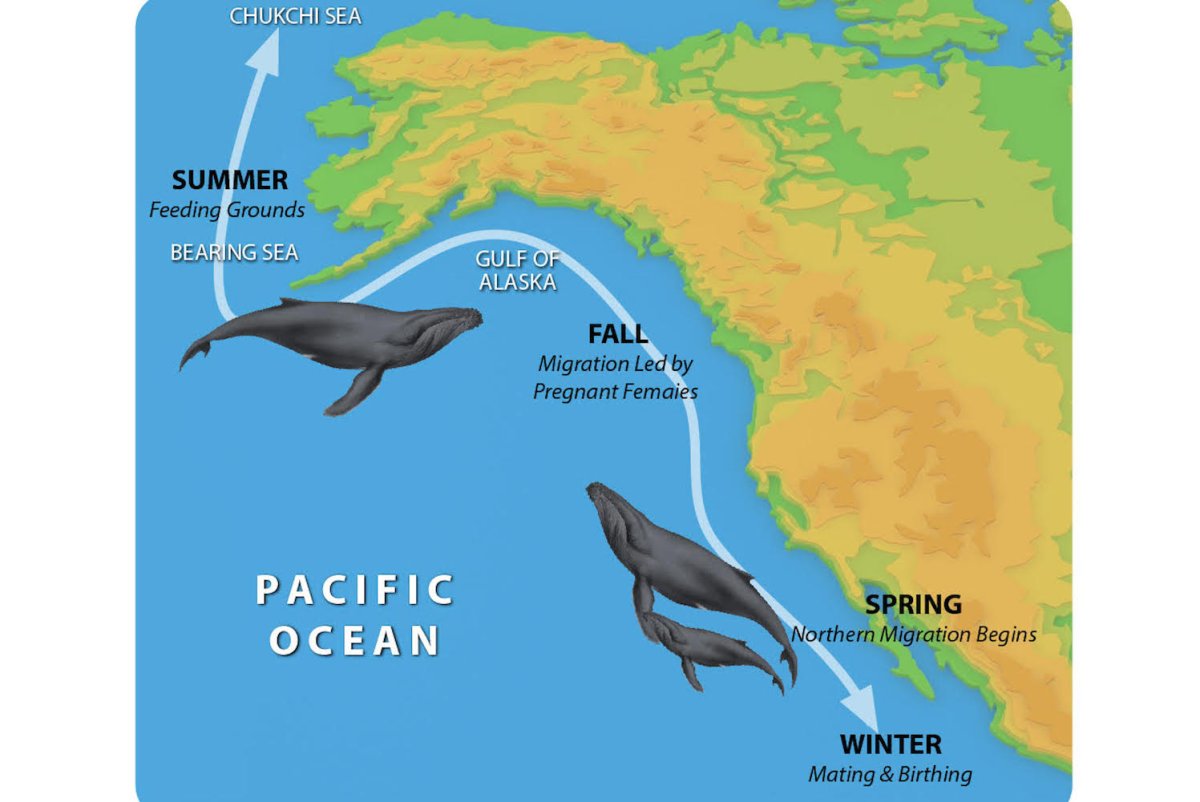
Gray whales complete one of the longest mammal migrations in the ocean. Each year, they swim from cold Arctic feeding grounds to warm tropical lagoons to breed. This round trip can exceed 12,000 miles, making them true endurance swimmers of the sea.
Number Nine. African Elephant.


The African elephant is the longest-distance traveler on land. These giants can walk hundreds of miles annually, guided by memory and ancient migration routes in search of water during dry seasons. Their journeys shape entire ecosystems.
Number Eight. Monarch Butterfly.


Despite weighing less than a gram, monarch butterflies migrate up to 3,000 miles across North America. What’s extraordinary is that no single butterfly completes the full journey — multiple generations carry the migration forward.
Number Seven. Arctic Tern.

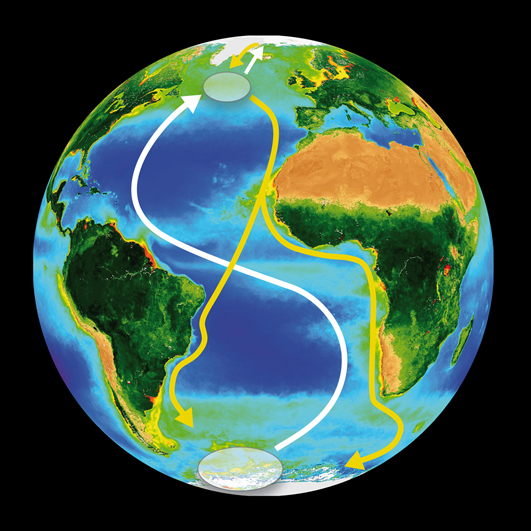
The Arctic tern is famous for chasing endless summer. It flies between polar regions, crossing oceans and continents with unmatched precision and stamina, already outperforming most animals on Earth.
Number Six. Caribou.


Caribou herds perform the longest land migration of any mammal. Traveling together across tundra, rivers, and frozen landscapes, some herds cover over 1,000 miles every year.
Number Five. Wildebeest.


The Great Wildebeest Migration is one of the most dramatic wildlife events on Earth. Over 1.5 million animals cross predator-filled rivers and endless plains in search of fresh grass and rain.
Number Four. Leatherback Sea Turtle.
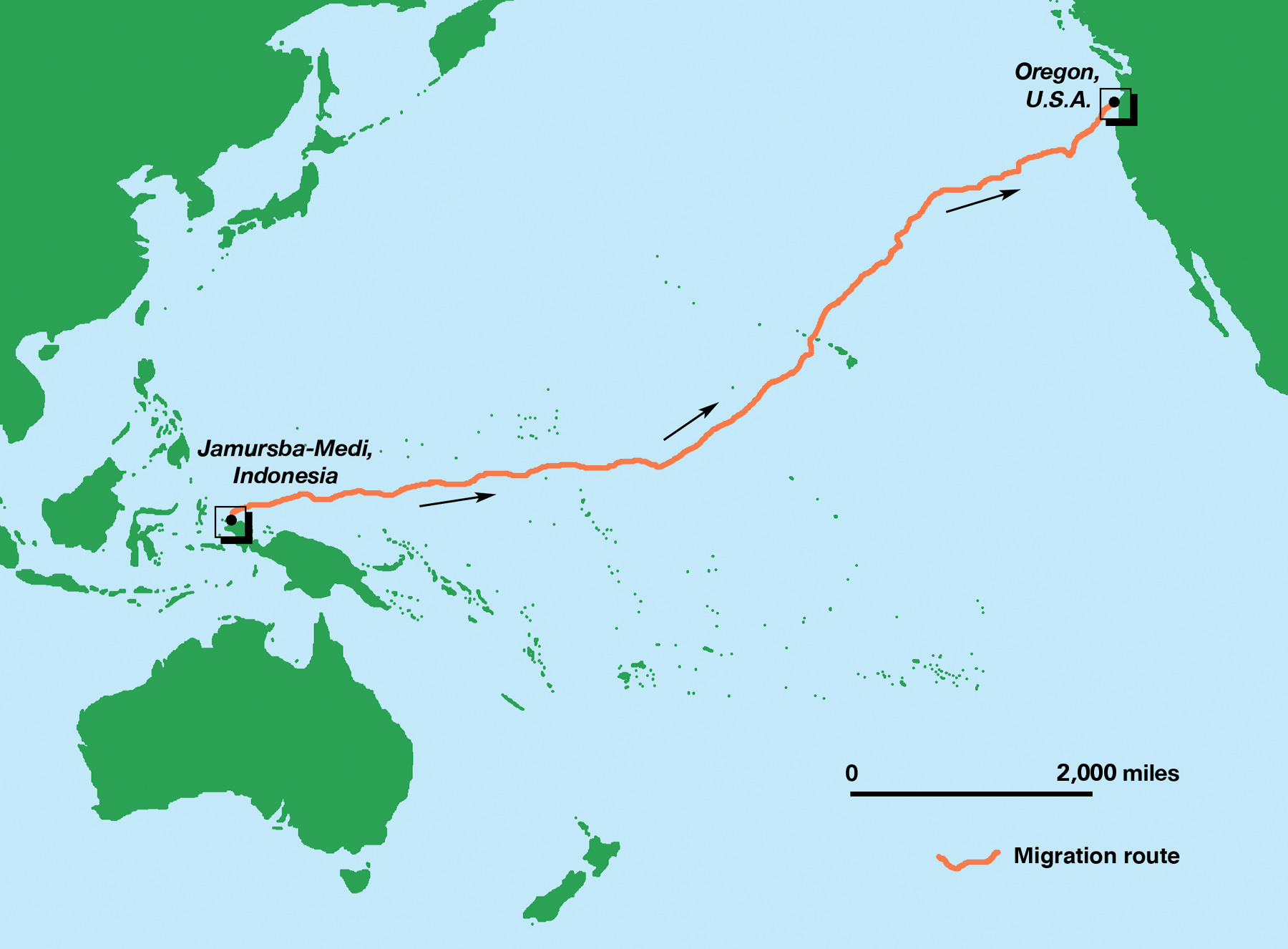

Leatherback sea turtles are ancient ocean travelers. They cross entire ocean basins, sometimes swimming over 10,000 miles, and return decades later to the very beach where they were born.
Number Three. Humpback Whale.

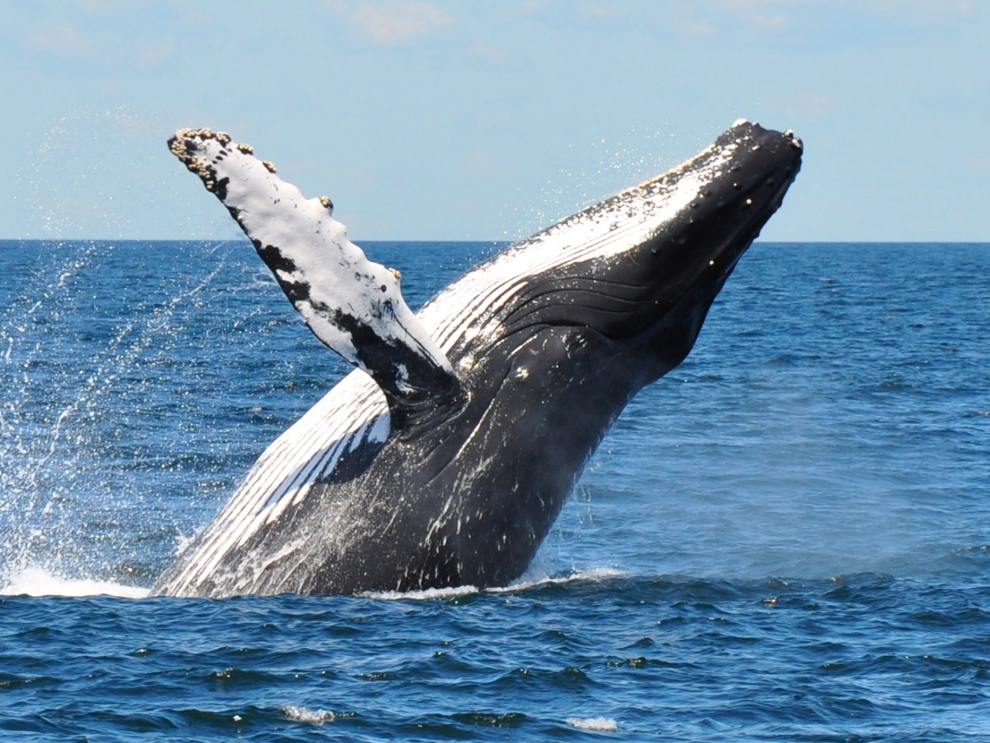
Humpback whales migrate thousands of miles between icy feeding grounds and tropical breeding waters. Their journeys are often accompanied by haunting songs that echo beneath the sea.
Number Two. Salmon.


Salmon are born in freshwater, migrate to the ocean, then return upstream to reproduce. They leap waterfalls and battle powerful currents, driven by instinct to return home.
Number One. Arctic Tern.
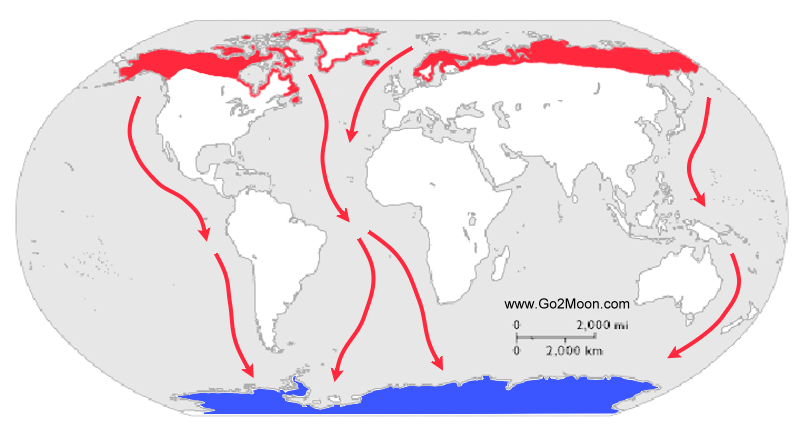

The Arctic tern holds the world record for the longest migration. Every year, it flies from the Arctic to Antarctica and back again — a journey of over 40,000 miles, experiencing more daylight than any other animal on Earth.
Why Do Animals Travel So Far?
Animals migrate to:
- Access seasonal food sources
- Escape extreme temperatures
- Find safe breeding grounds
- Reduce competition and predators
Migration is written into their biology and perfected by evolution.
Frequently Asked Questions (FAQ)
What animal travels the farthest in the world?
The Arctic tern travels the farthest, migrating over 40,000 miles annually.
What is the longest land migration?
Caribou complete the longest land migration of any mammal.
How do animals navigate long distances?
Animals use magnetic fields, the sun, stars, landmarks, and inherited instincts.
Are animal migrations threatened today?
Yes. Climate change, habitat loss, and human development increasingly disrupt migration routes.
Final Thoughts
From tiny butterflies to massive whales, migration proves that endurance isn’t about size — it’s about survival. These animals travel farther than most humans ever will, without maps or technology.
Which animal’s journey amazed you the most? And could you survive even one of these migrations?