
Top 10 Animals That Trick Their Prey (Nature’s Smartest Hunters)
In the wild, survival isn’t always about teeth, claws, or speed.
Some predators rely on something far more powerful — deception.
Instead of chasing prey, these animals lie, lure, hypnotize, and even act. Many of them succeed not because they are stronger… but because they are smarter.
Here are 10 incredible animals that hunt using tricks and strategy.
Number 10 — Alligator Snapping Turtle

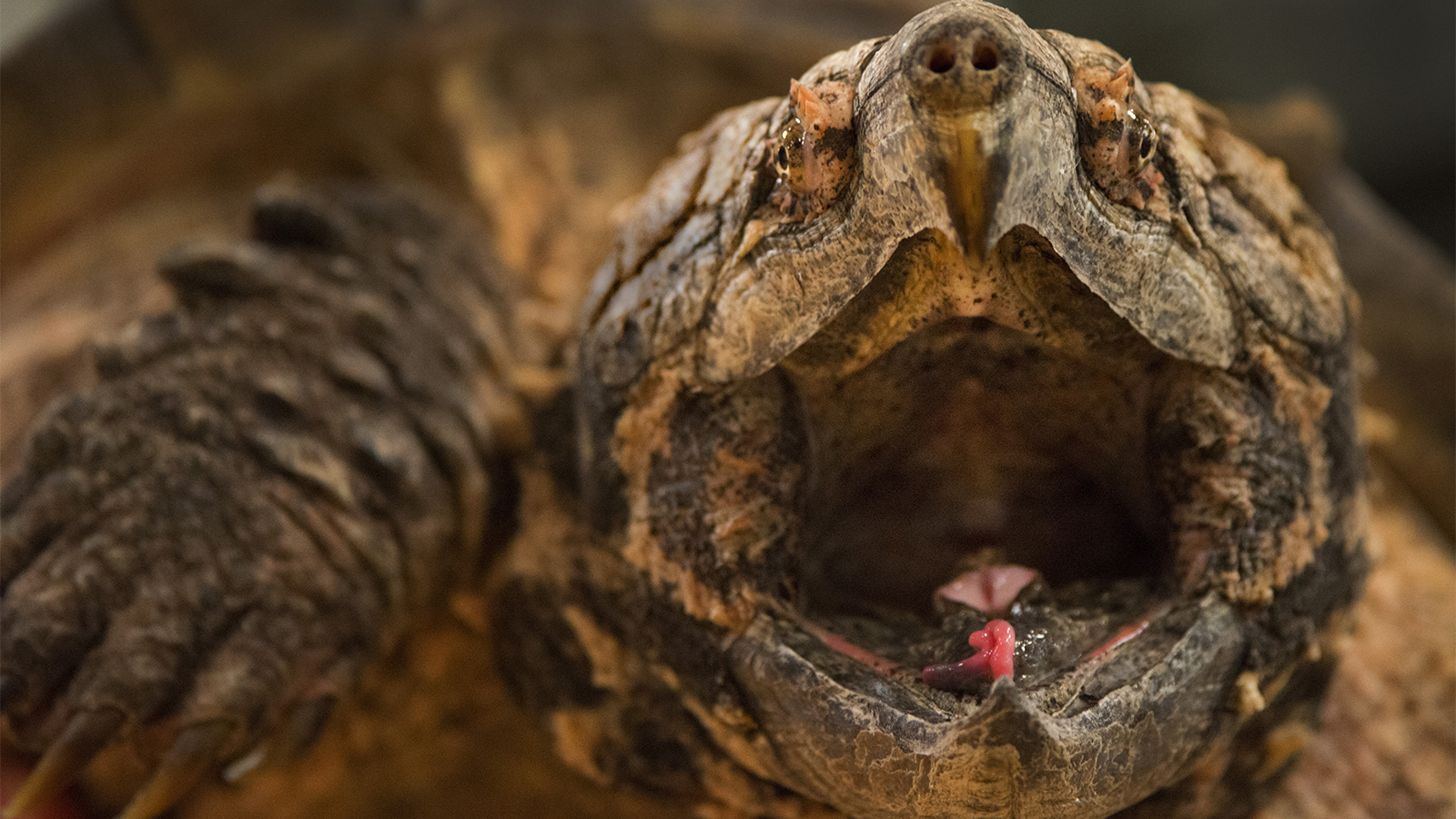
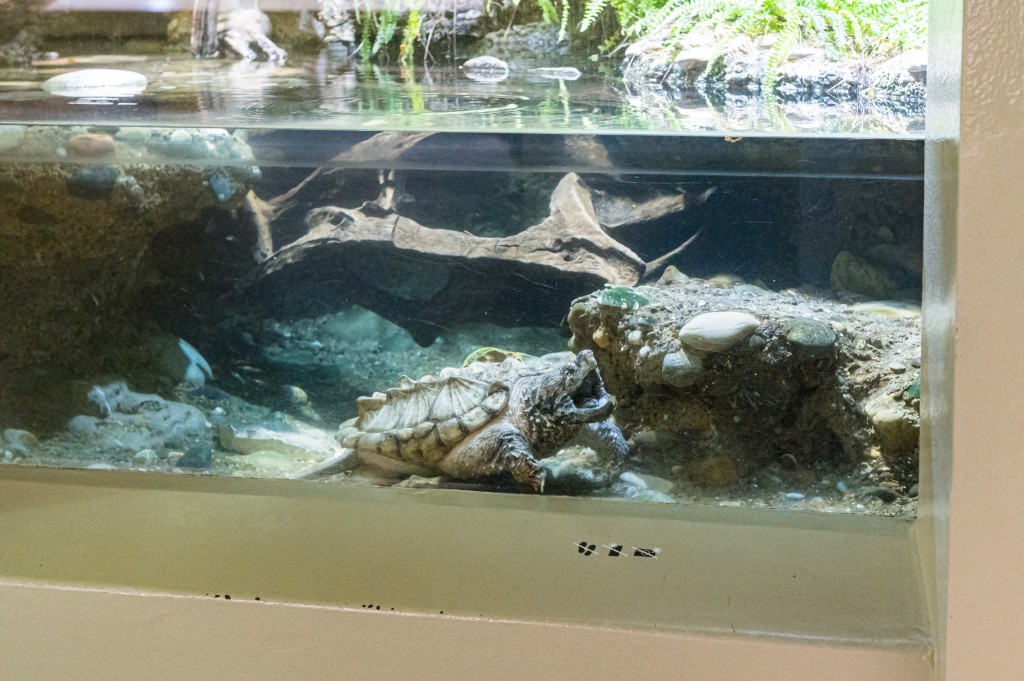

The alligator snapping turtle is basically a living trap.
It sits motionless at the bottom of swamps with its mouth wide open. Inside is a pink tongue that looks exactly like a worm. Fish swim toward it expecting food — but they become the meal instead.
The turtle never hunts.
It lets prey hunt it.
Number 9 — Green Heron

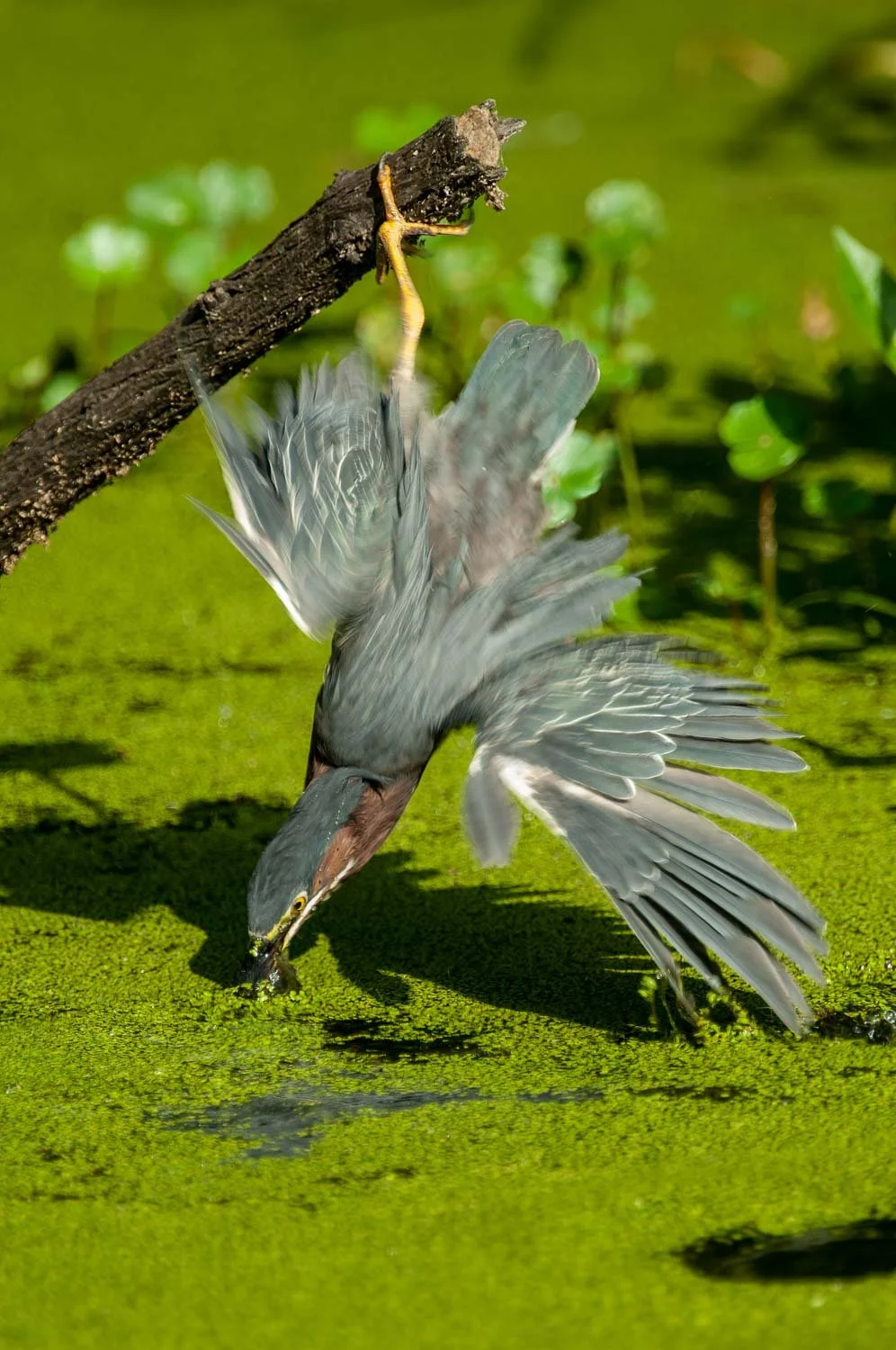


One of the only birds known to use tools.
The green heron drops insects, berries, or crumbs onto the water surface. Fish gather below, and when they come close enough — the bird strikes instantly.
This is true animal intelligence: bait fishing.
Number 8 — Anglerfish

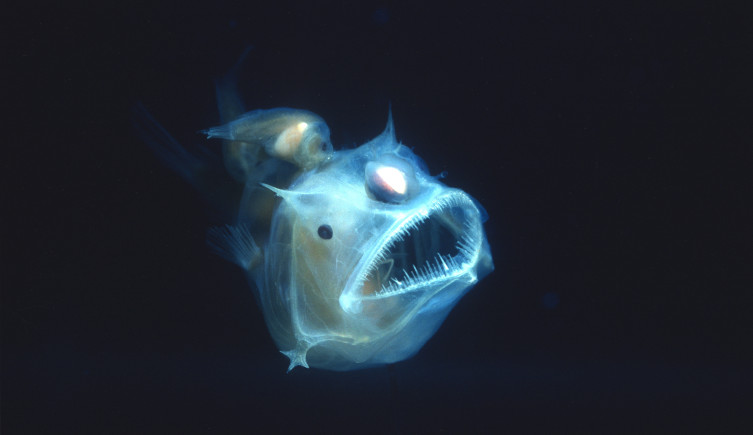
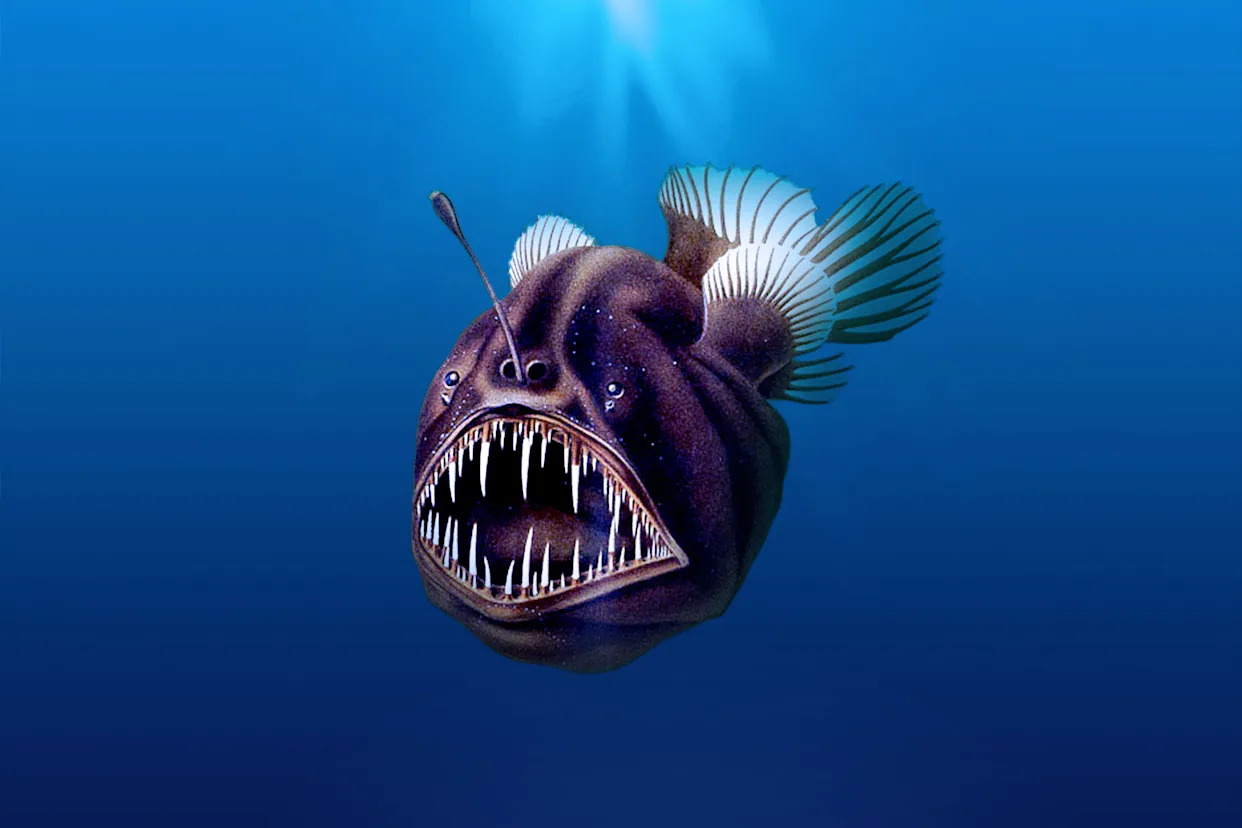

In the deep ocean, sunlight never reaches.
The anglerfish solves that problem by creating its own light. A glowing bulb dangles above its head like a lantern. Smaller fish swim toward the glow, thinking it’s food or safety.
Instead, it’s a deadly trap.
Number 7 — Orchid Mantis


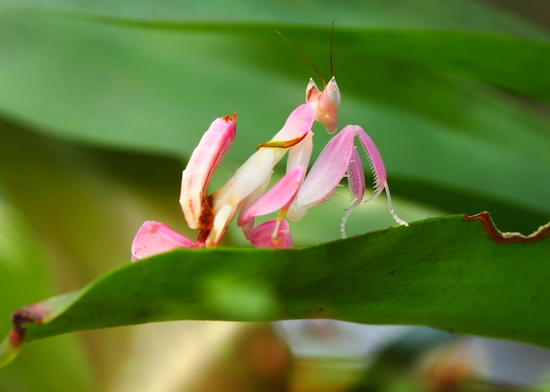
This insect doesn’t hide — it performs.
The orchid mantis looks exactly like a tropical flower petal. Bees and butterflies land on it expecting nectar.
Within a split second, the mantis grabs them.
The flower was never a flower.
Number 6 — Bolas Spider
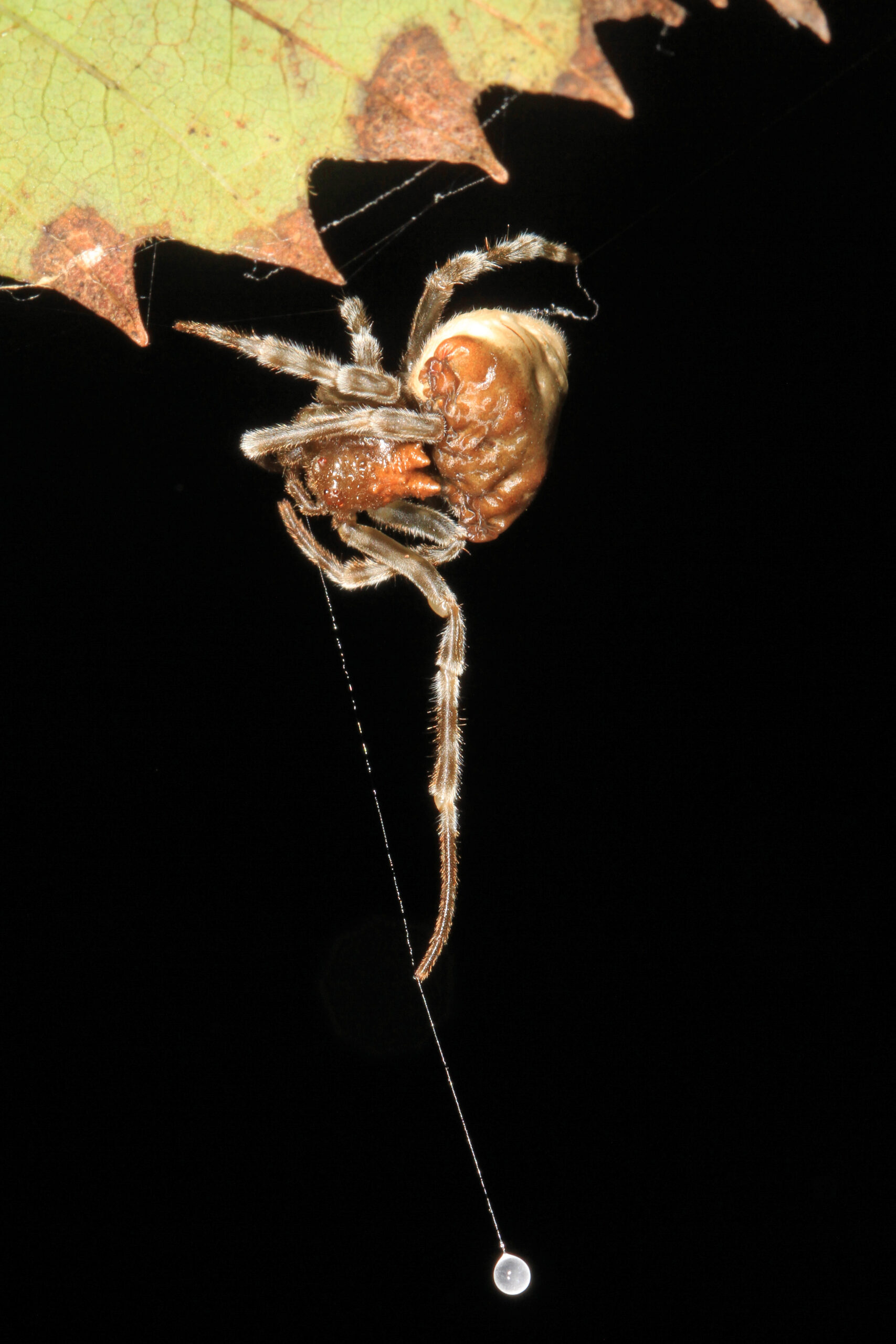
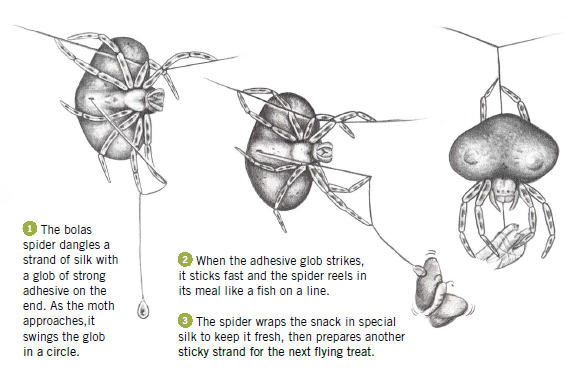
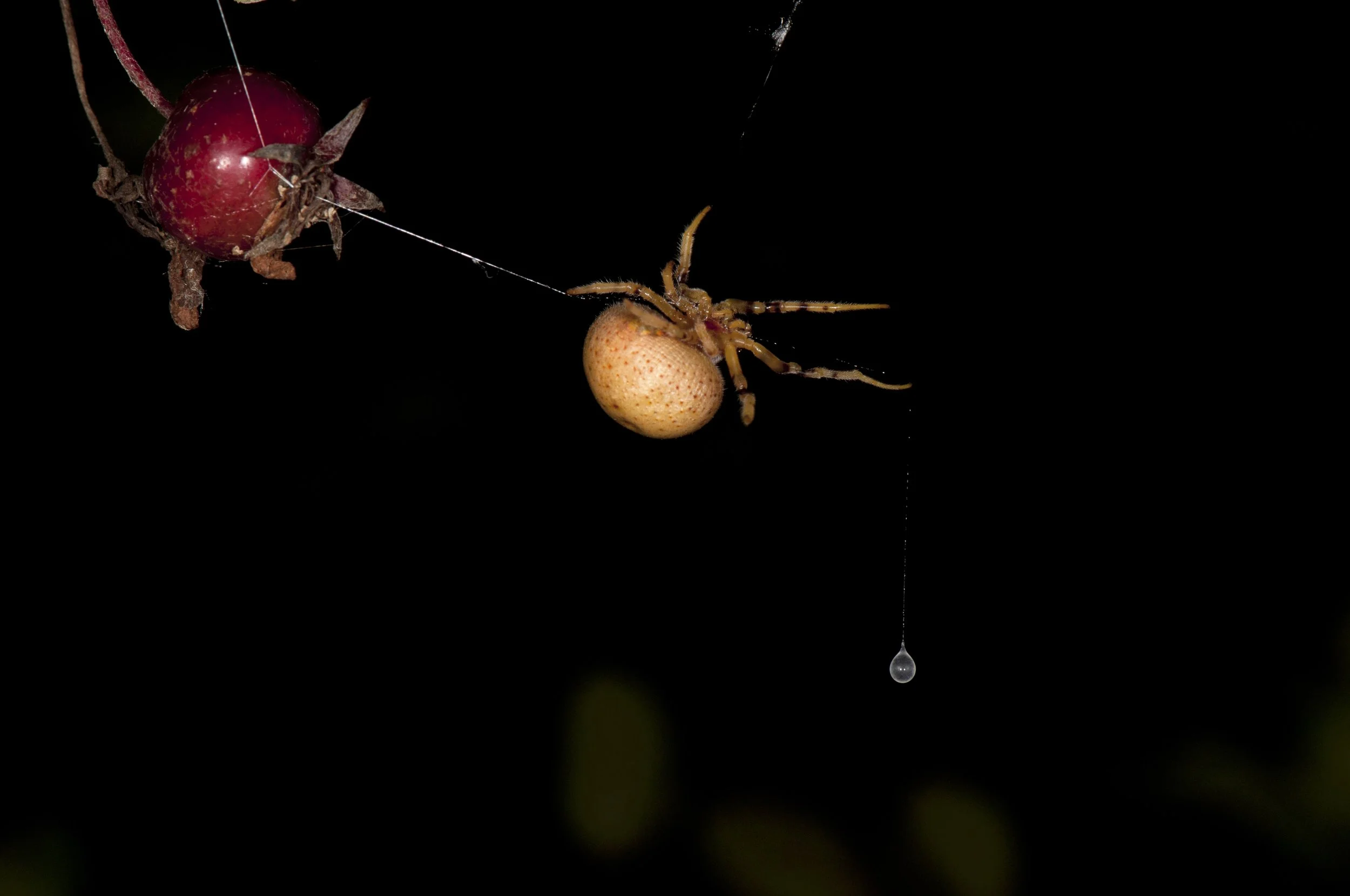
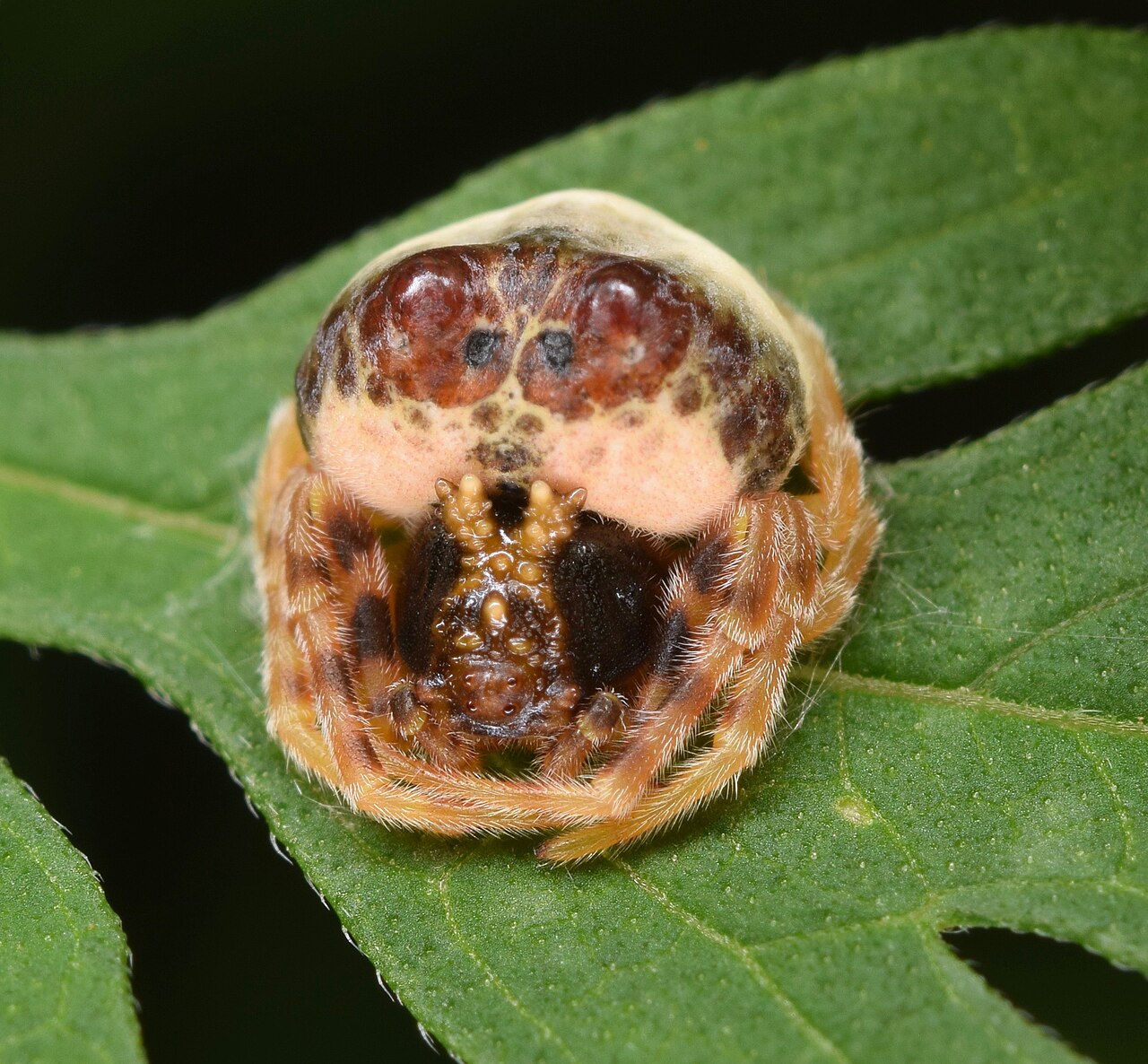
Instead of webs, this spider uses chemistry.
It releases a scent identical to a female moth’s pheromones. Male moths fly toward it, believing they found a mate.
The spider then swings a sticky silk droplet and captures them mid-air.
Number 5 — Margay Cat


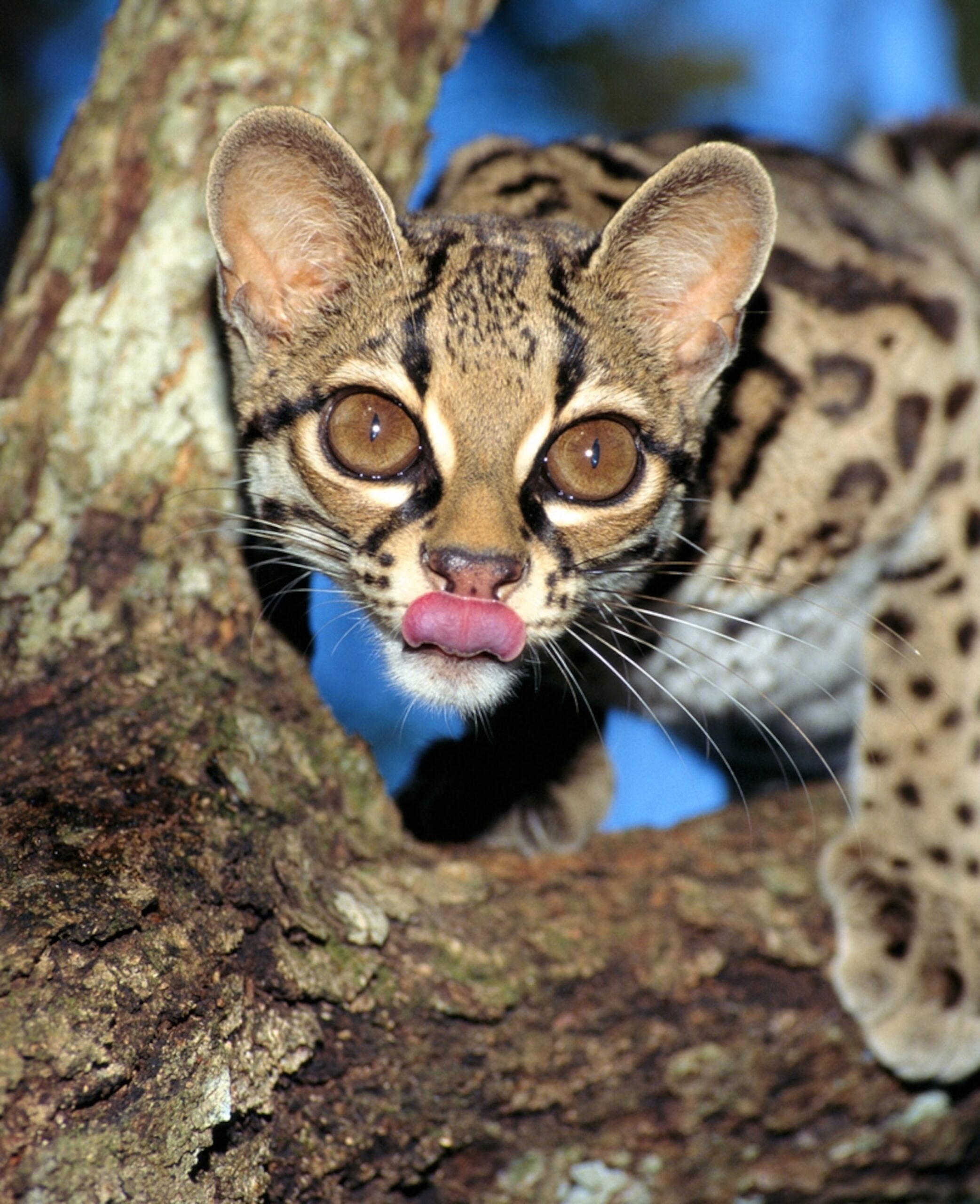
One of the creepiest hunters in the rainforest.
The margay imitates the cry of a baby monkey. Adult monkeys rush in to help — and the cat ambushes them.
It doesn’t just hunt.
It acts.
Number 4 — Cone Snail
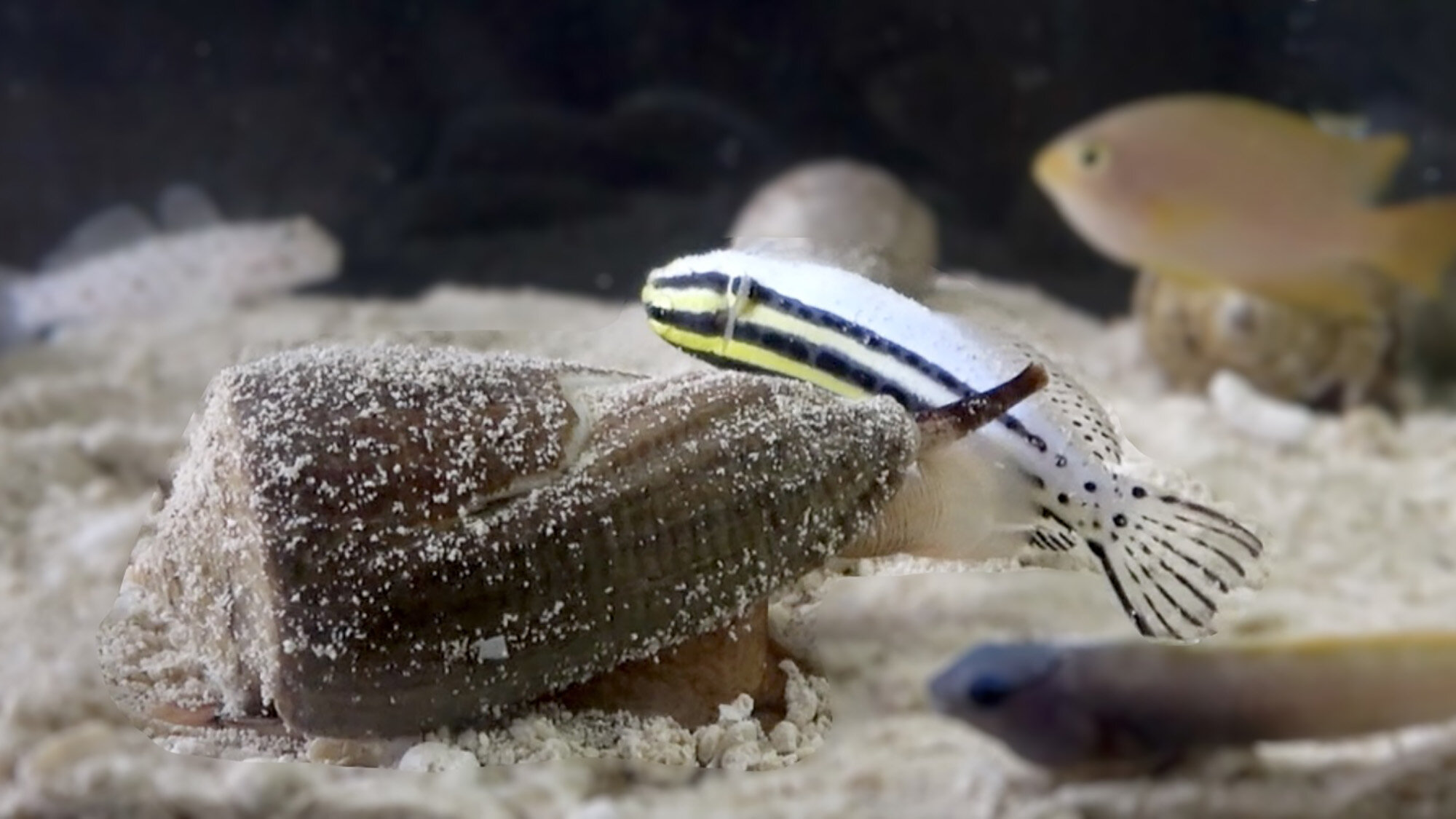
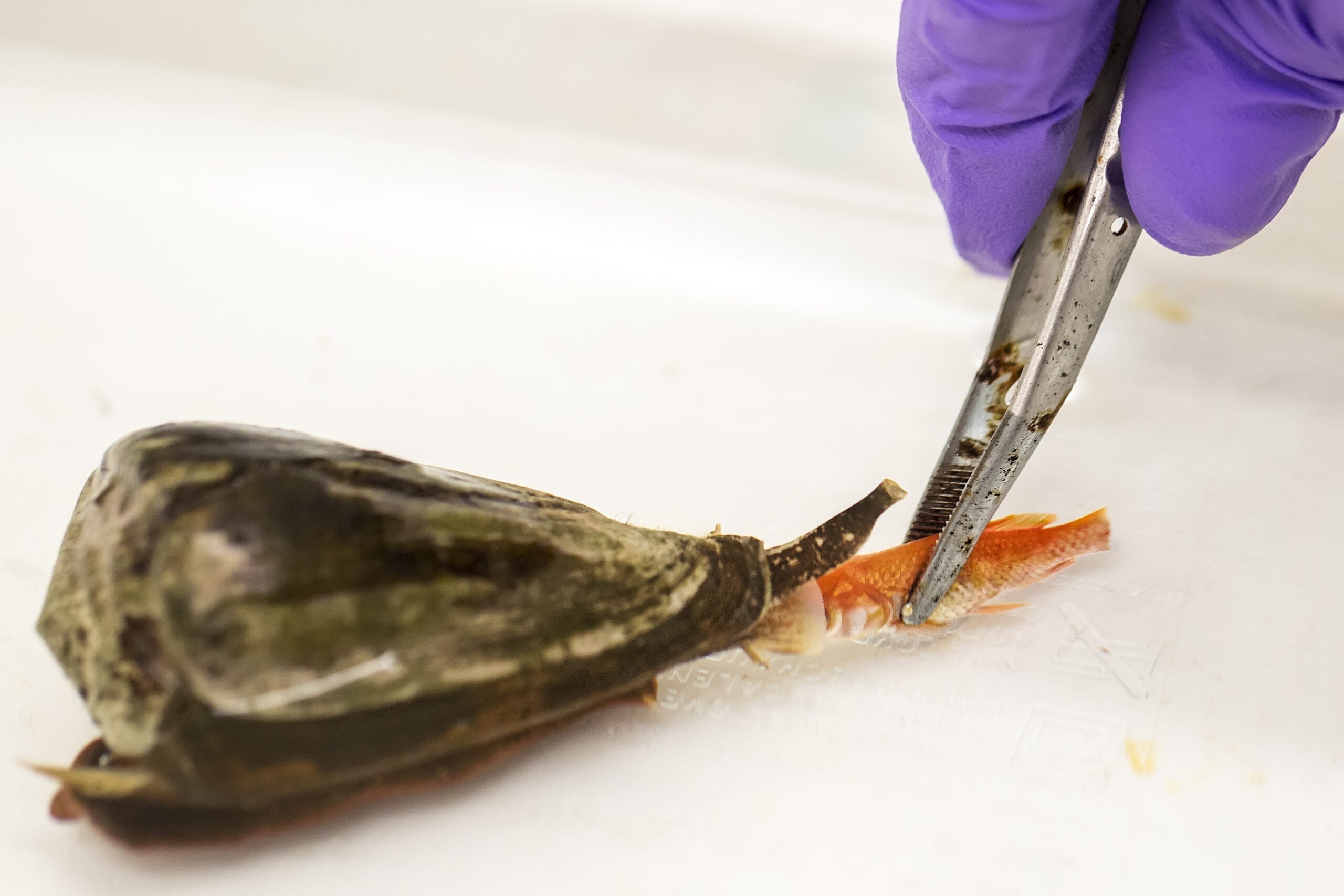

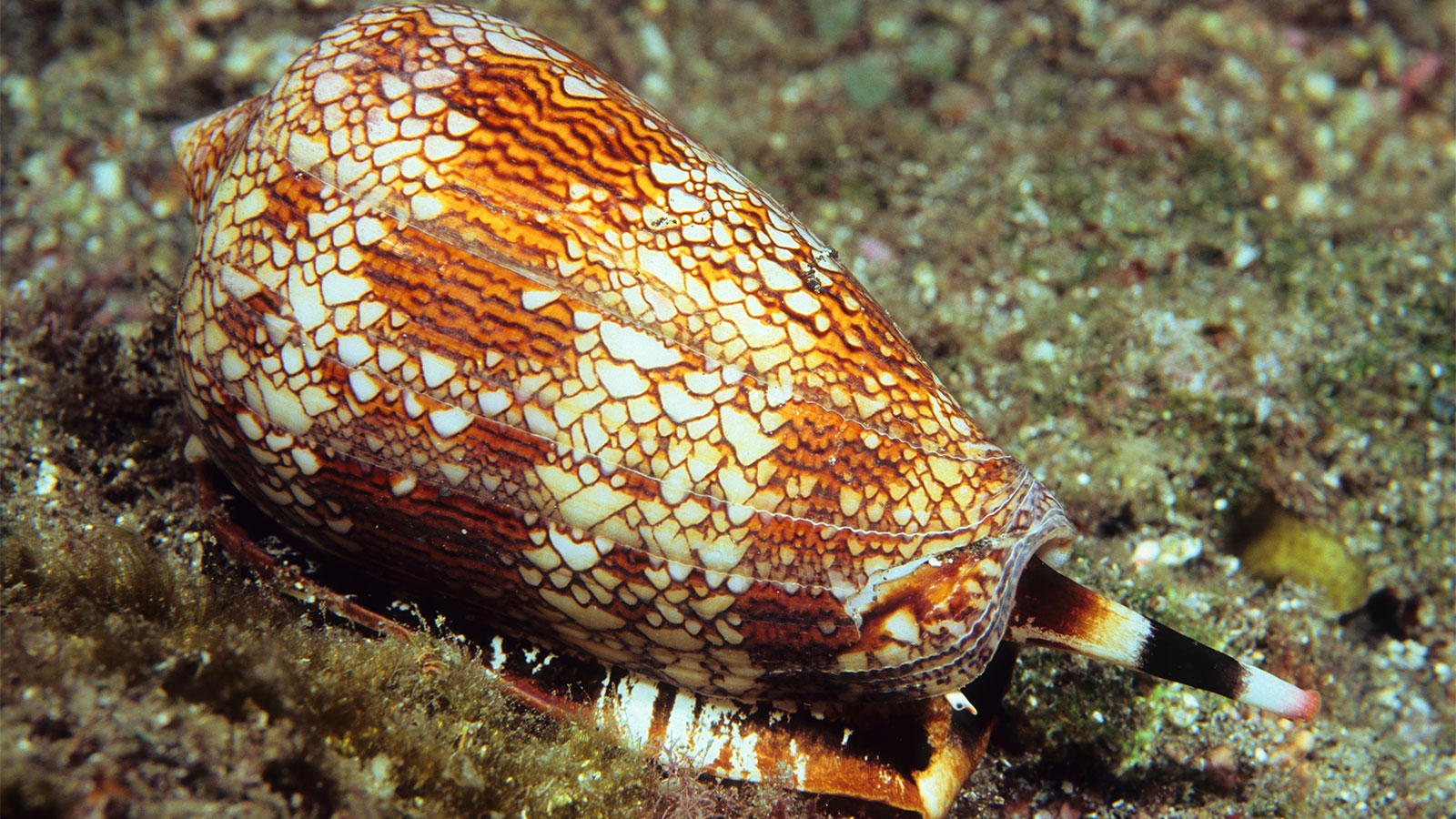
It looks harmless… but it’s one of the most dangerous animals in the ocean.
The cone snail fires a microscopic venomous harpoon into nearby fish. The prey becomes paralyzed instantly and cannot escape.
The attack is so fast it’s almost invisible.
Number 3 — Cuttlefish


A master of illusion.
The cuttlefish changes color in waves, creating flashing patterns that confuse and hypnotize prey. The victim freezes — and the cuttlefish calmly grabs it.
This is closer to mind-tricking than hunting.
Number 2 — Assassin Bug


This predator hides in plain sight.
It sticks the bodies of dead insects onto its back to disguise itself. Other insects walk nearby feeling safe — until the assassin bug suddenly strikes.
Nature’s perfect ambush disguise.
Number 1 — Killer Whale (Orca)
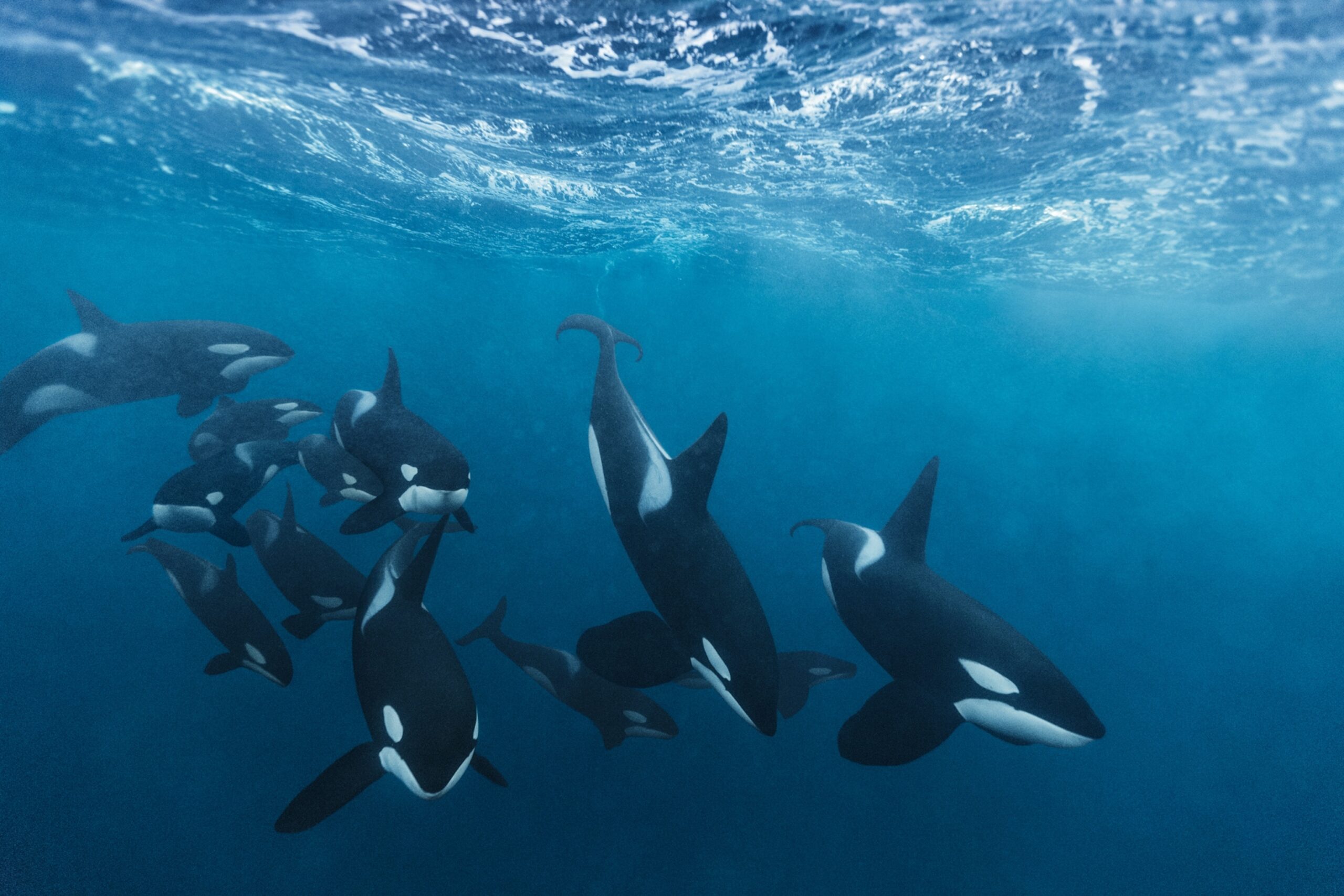
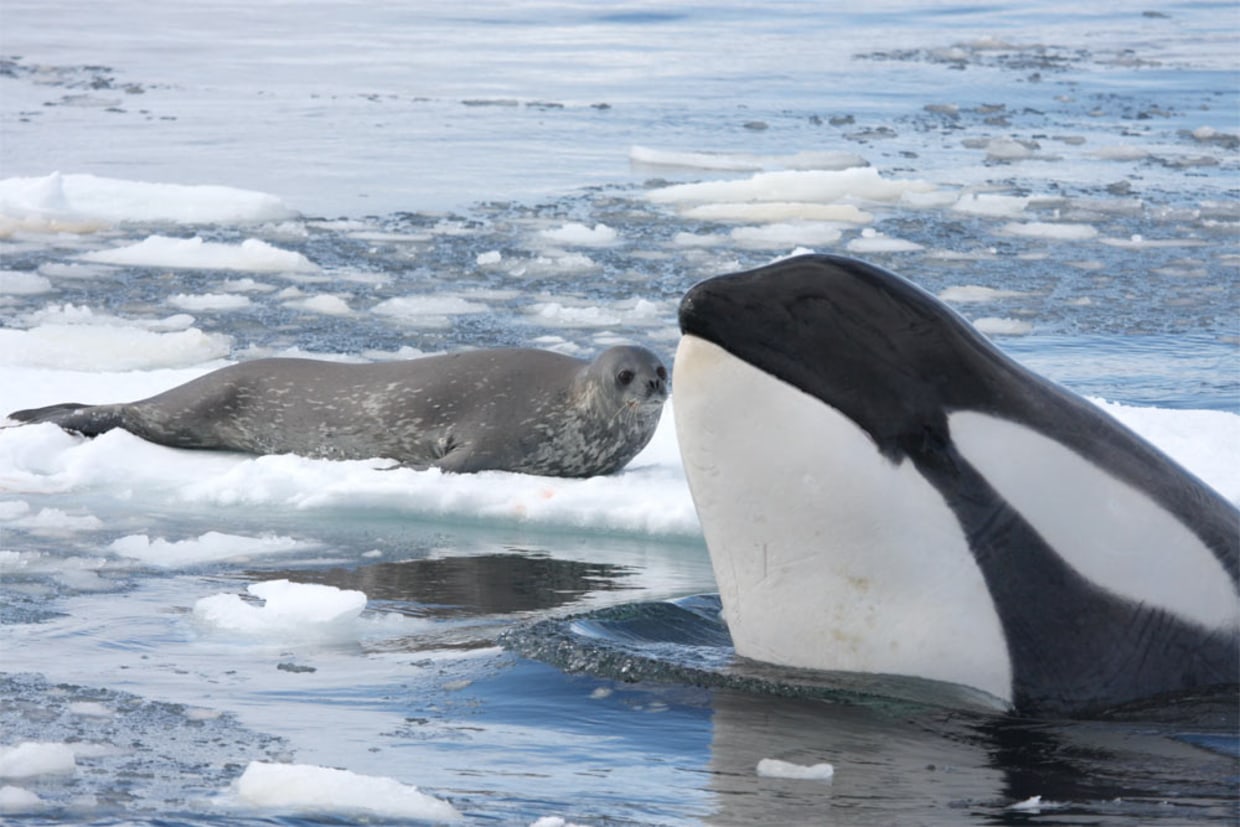

The smartest hunters on Earth.
Killer whales work together to create waves that wash seals off floating ice. This requires timing, communication, and planning.
It’s not instinct anymore.
It’s strategy.
Why Deception Works in Nature
Predators that rely on tricks save energy.
Instead of chasing prey, they let prey come to them.
Over millions of years, evolution has rewarded brains over muscles.
In many environments, intelligence is actually the deadliest weapon.
FAQ (Frequently Asked Questions)
Do animals really plan hunts?
Yes. Some species — especially dolphins, orcas, and certain birds — show coordinated behavior and problem solving, which scientists consider planning.
Which animal has the smartest hunting strategy?
Killer whales are considered among the smartest hunters because they cooperate, communicate, and teach hunting methods to younger members.
Are any of these animals dangerous to humans?
The cone snail can be dangerous if handled. Orcas and most others rarely harm humans in the wild.
Why do animals use deception instead of speed?
Chasing prey costs a lot of energy. Ambush predators conserve energy and increase success rates by tricking prey.
Is camouflage the same as deception?
Not exactly. Camouflage hides an animal. Deception actively manipulates prey behavior, like bait or mimicry.
Engagement Question for Readers:
Which animal surprised you the most — the hypnotizing cuttlefish or the wave-making orcas?