
Top 10 Creatures Found Deeper Than the Titanic
Exploring the deepest nightmares of the ocean
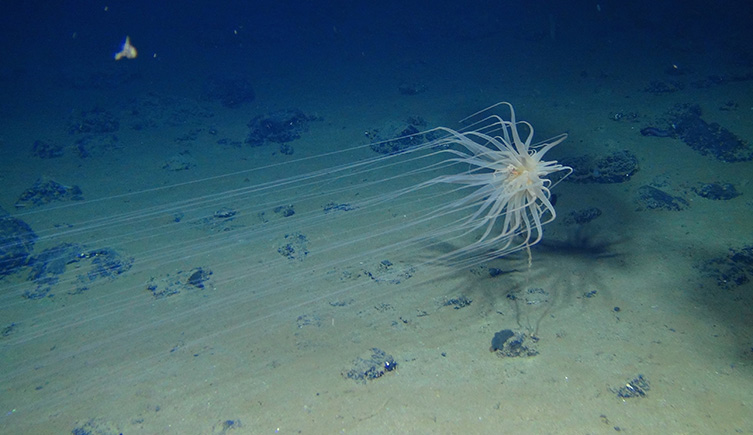


The Titanic rests about 3,800 meters (12,500 feet) below the ocean’s surface—an environment of crushing pressure, freezing temperatures, and total darkness.
Yet even deeper than the Titanic, life not only exists… it thrives.
These creatures have evolved into forms so strange and extreme that they feel more alien than earthly.
Below are the Top 10 real creatures found deeper than the Titanic, ranked from Number 10 to Number 1, with the largest and most haunting saved for last.
Number 10. Deep-Sea Jellyfish

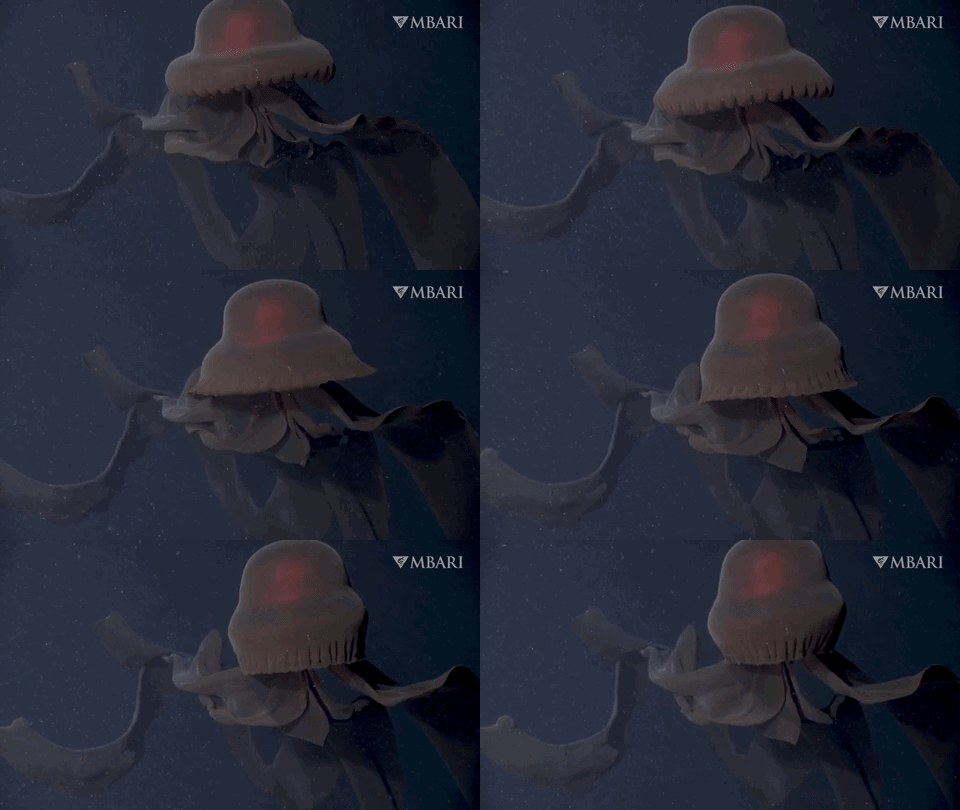

Deep-sea jellyfish float effortlessly through the abyss, glowing with soft bioluminescent light.
At depths far beyond sunlight, this glow helps them attract prey, communicate, and sometimes confuse predators. Their slow, hypnotic movements make them look almost unreal—like living lanterns in eternal night.
Number 9. Dumbo Octopus

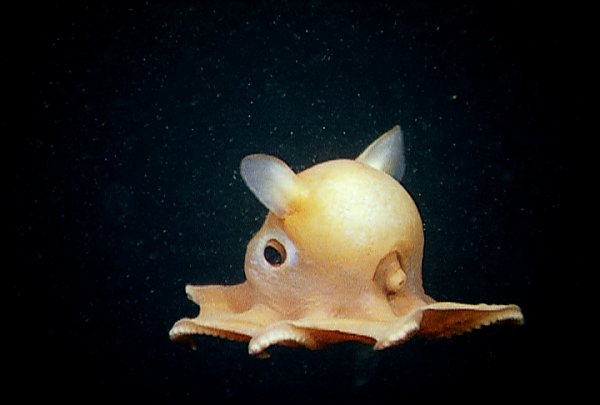

Named after its ear-like fins, the Dumbo octopus lives thousands of meters below the surface.
Unlike other octopuses, it doesn’t rely on speed or ink—it calmly “flies” above the seafloor, conserving energy in one of Earth’s harshest habitats.
Number 8. Giant Sea Spider
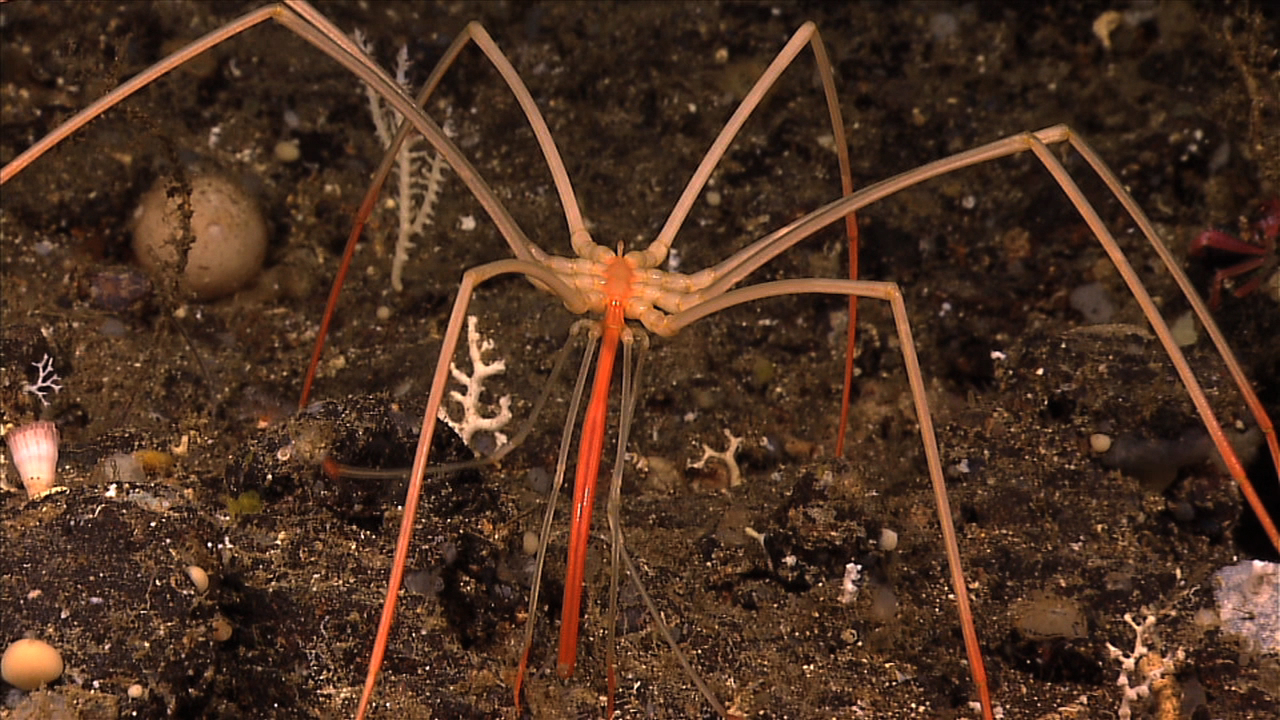

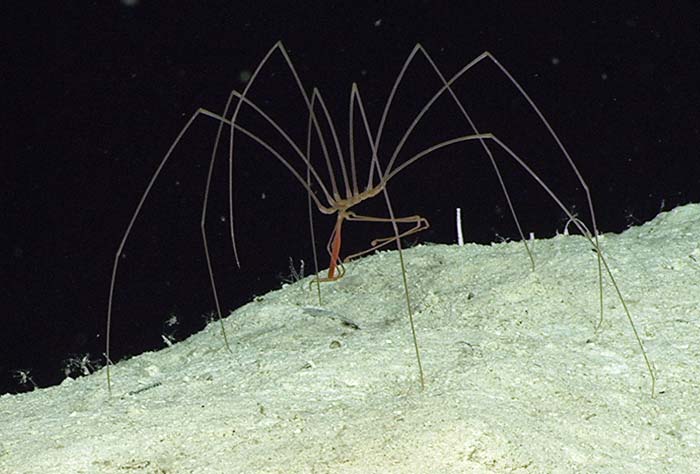
Sea spiders may look fragile, but in the deep ocean they grow enormous.
Their long, skeletal legs help them move across soft sediment while absorbing oxygen directly through their bodies—no lungs required. At extreme depths, size becomes a survival advantage.
Number 7. Barreleye Fish


The barreleye fish has one of the strangest heads on the planet—completely transparent.
Inside are tubular eyes that rotate upward, allowing it to spot prey silhouetted against faint light from above. It’s a perfect example of deep-sea evolution pushing biology to its limits.
Number 6. Fangtooth Fish


Despite its small size, the fangtooth fish is one of the most fearsome deep-sea predators.
Its teeth are so large they never fully fit inside its mouth. In a world where meals are rare, missing an opportunity isn’t an option.
Number 5. Goblin Shark
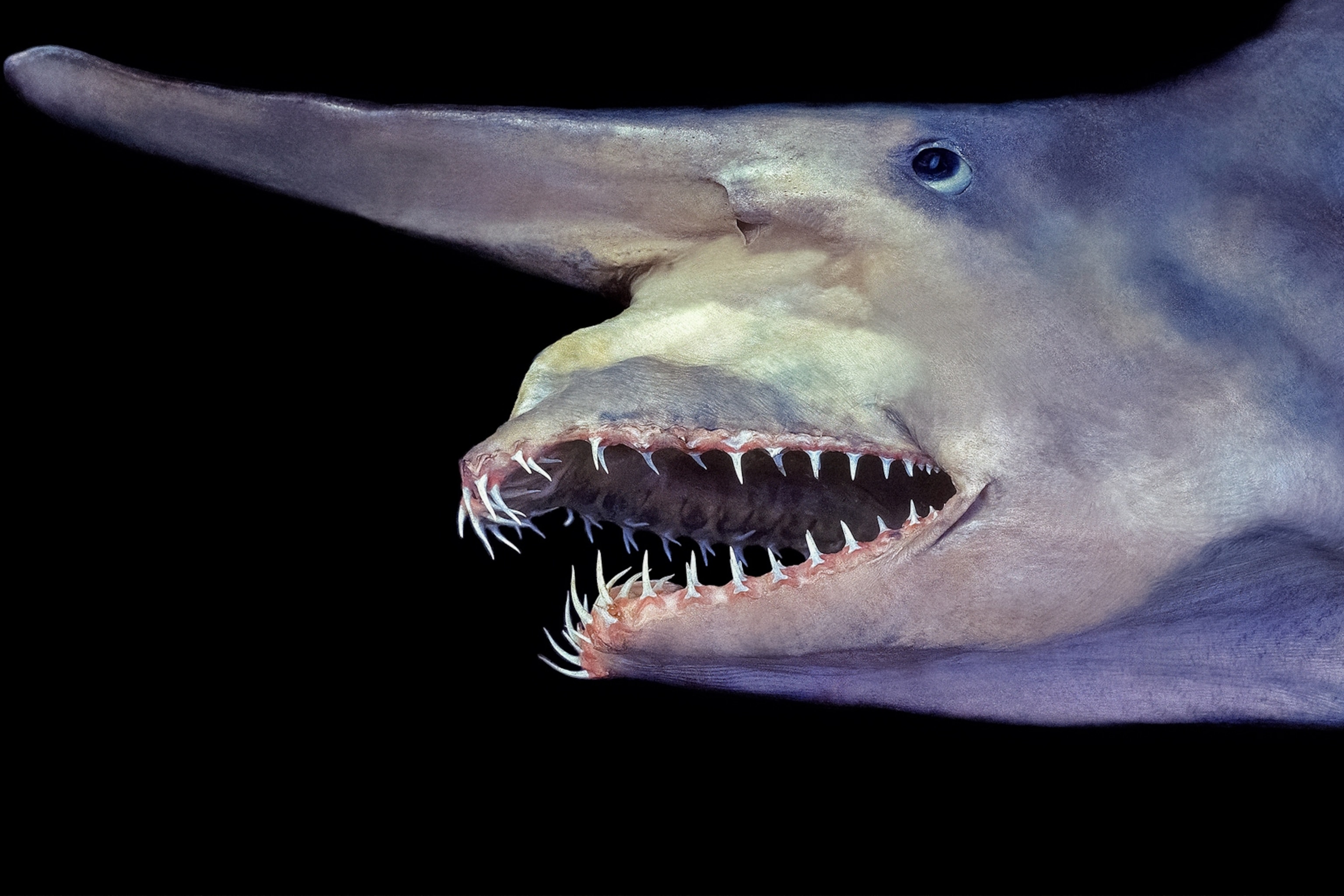

Often called a “living fossil,” the goblin shark looks like it swam straight out of prehistory.
Its most terrifying feature is its extendable jaw, which shoots forward at lightning speed to capture prey in the darkness far below the Titanic.
Number 4. Frilled Shark
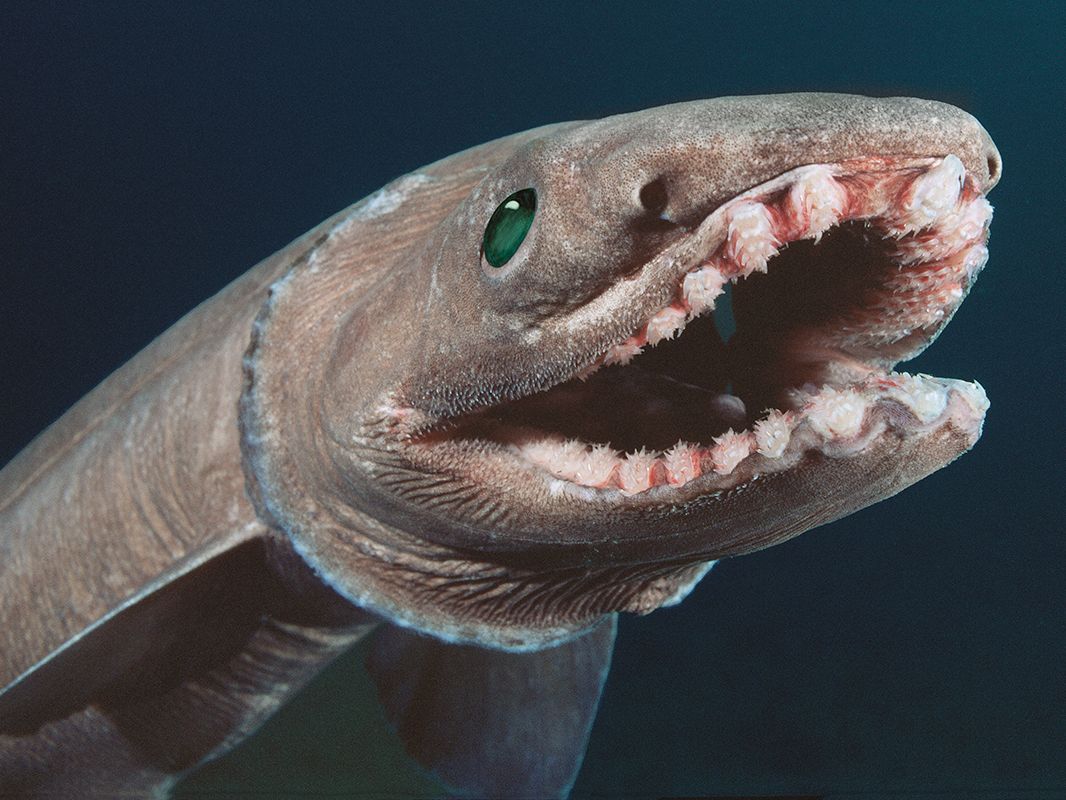
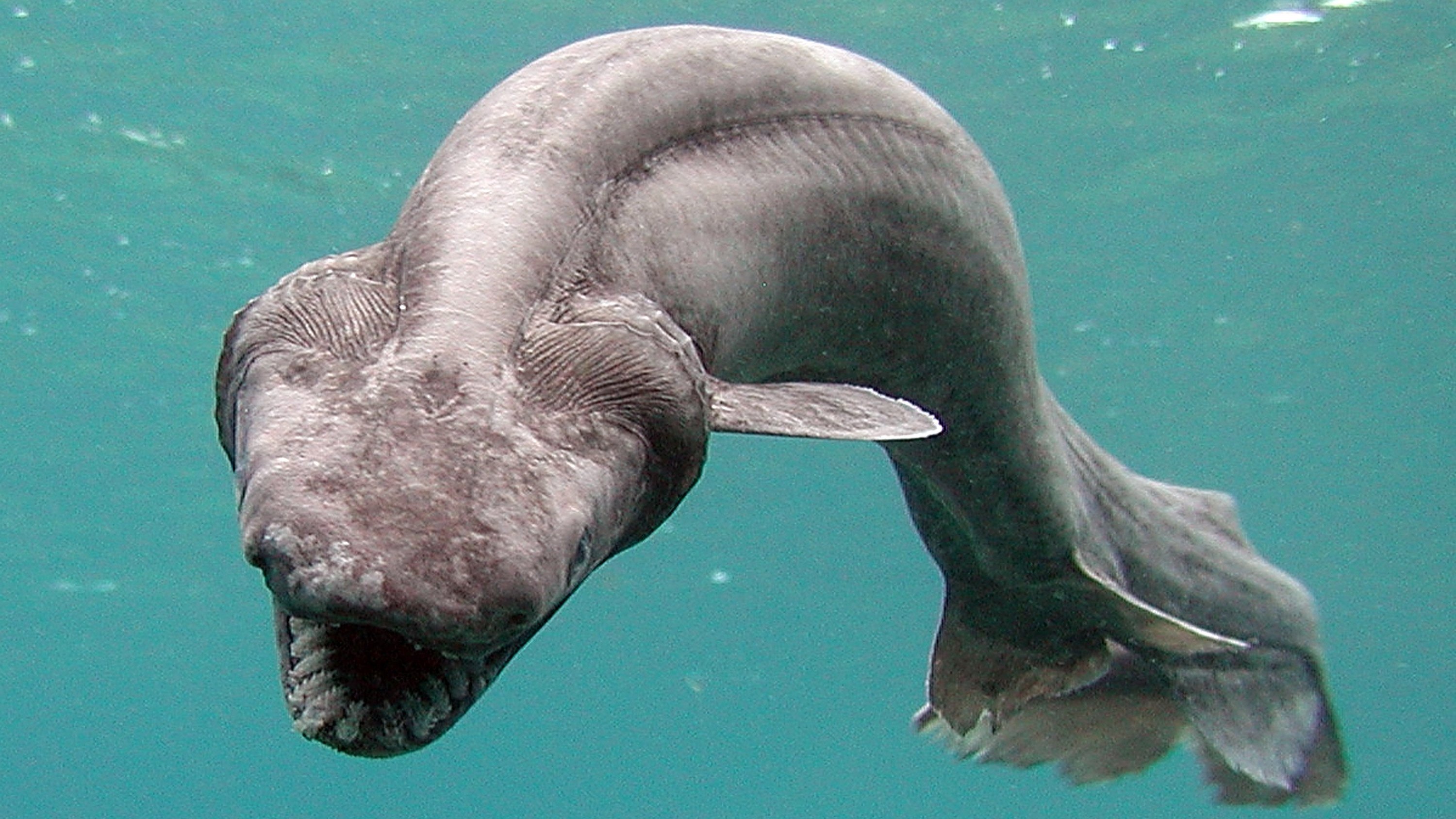
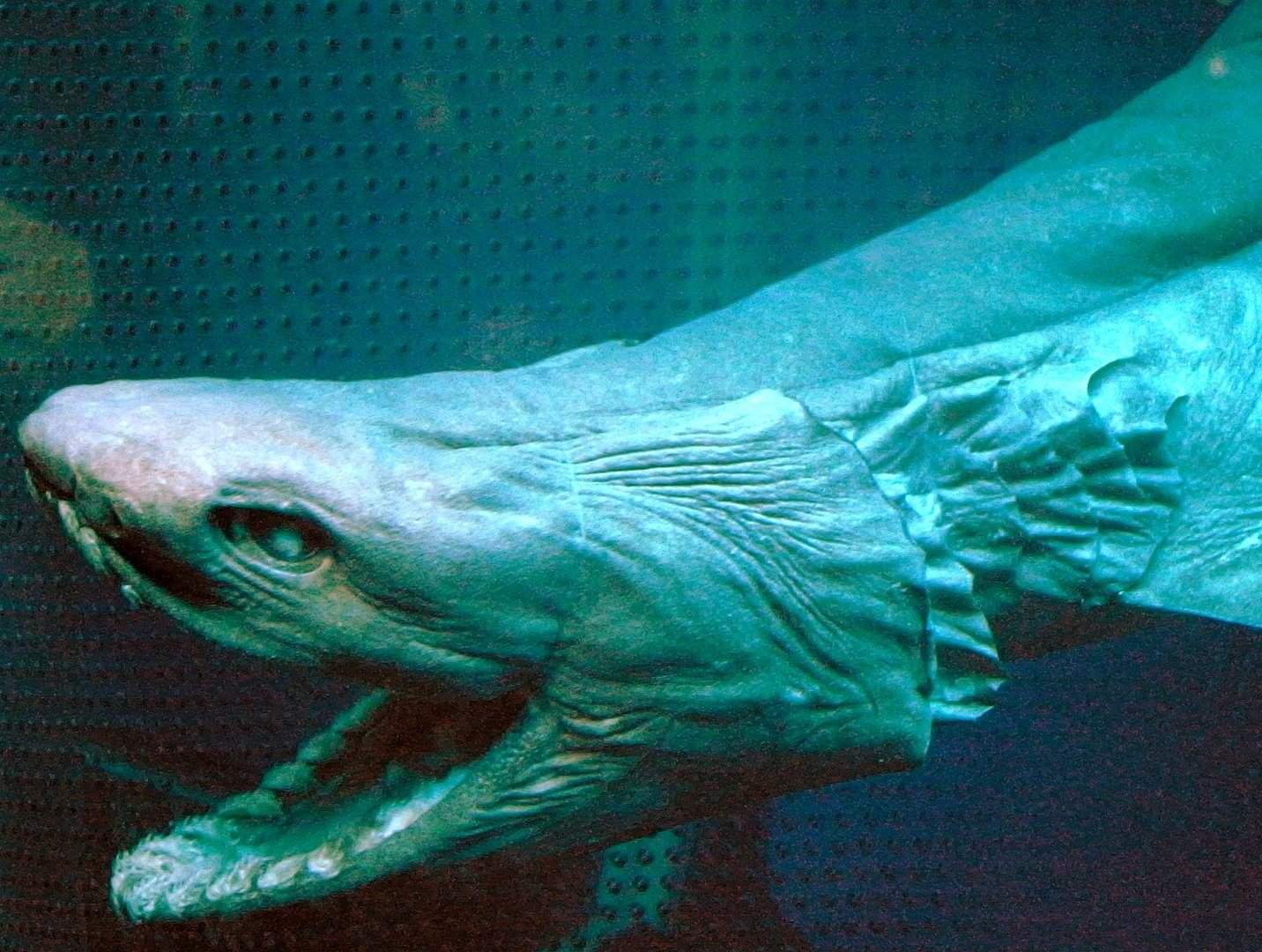
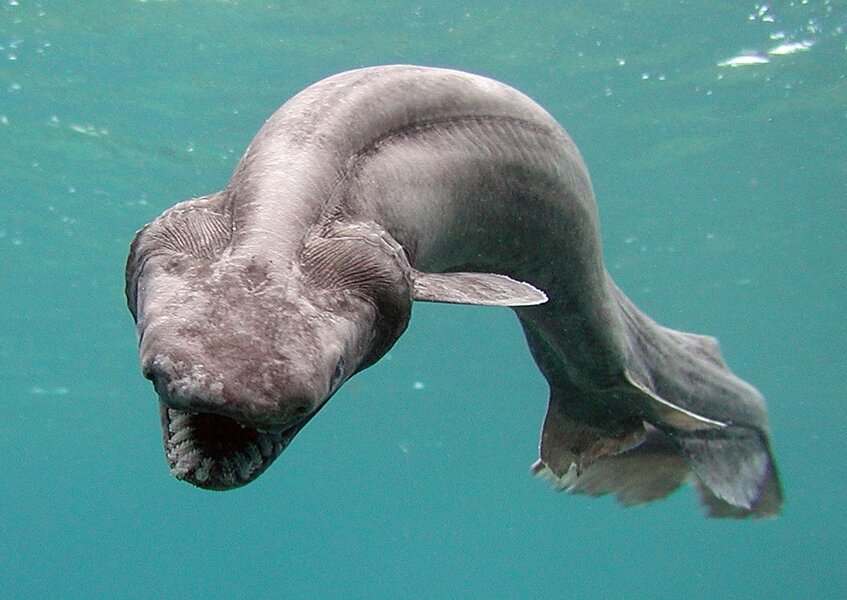
With its snake-like body and rows of needle-sharp teeth, the frilled shark resembles an ancient sea serpent.
It has changed very little over millions of years, proving that its design is perfectly suited for life in the abyss.
Number 3. Giant Isopod


Imagine a pill bug the size of a dog—that’s a giant isopod.
These armored scavengers roam the ocean floor and can survive years without food, slowing their metabolism to extreme levels. In the deep sea, patience equals survival.
Number 2. Colossal Squid
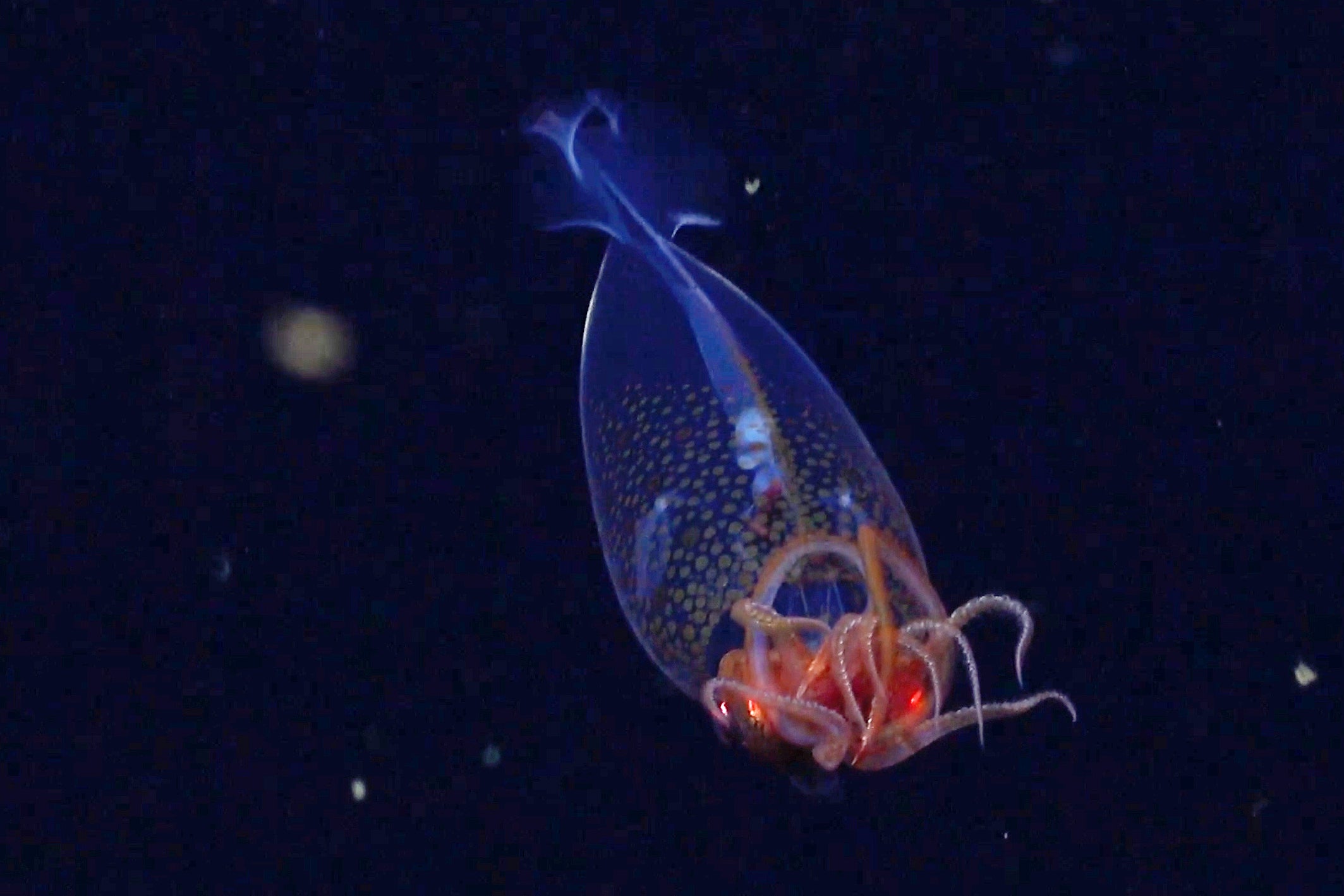

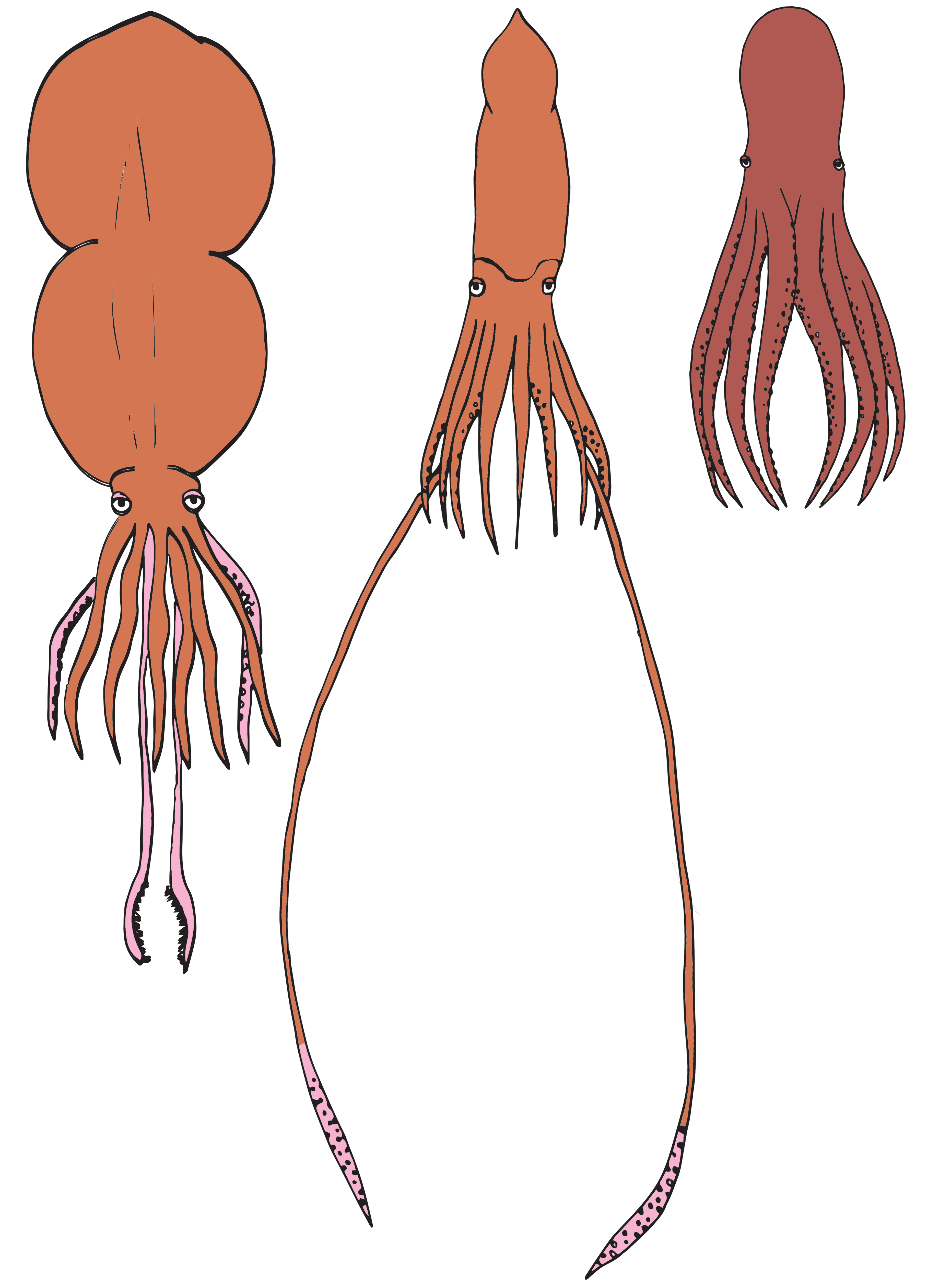
Larger and heavier than the giant squid, the colossal squid is one of the biggest invertebrates ever discovered.
Its massive eyes help it detect predators like sperm whales, while hooked tentacles make it a powerful hunter in total darkness.
Number 1. Giant Phantom Jellyfish
The deepest and most haunting creature on this list.
The giant phantom jellyfish can reach enormous sizes, with long, ribbon-like arms trailing endlessly beneath it. Almost invisible, it drifts silently through the abyss—less like an animal and more like a ghost of the deep ocean.
Frequently Asked Questions (FAQ)
How deep is the Titanic?
The Titanic lies at approximately 3,800 meters (12,500 feet) below the surface in the North Atlantic Ocean.
Are these creatures real?
Yes. Every creature on this list has been documented by deep-sea expeditions, remotely operated vehicles, or scientific research.
Can humans survive at these depths?
No. The pressure is hundreds of times stronger than at sea level. Humans require specialized submersibles to explore these regions.
Why do deep-sea creatures look so alien?
Extreme pressure, darkness, and scarce food force animals to evolve unusual shapes, transparent bodies, massive eyes, and bioluminescence.
Are there creatures even deeper than these?
Almost certainly. Scientists believe we’ve explored less than 5% of the ocean, meaning countless species may still be undiscovered.
Final Thought
The Titanic was once the symbol of humanity’s greatest achievement…
Yet far below it, nature has created beings far stranger, older, and more powerful than anything we’ve ever built.
What do you think is still hiding deeper than anything we’ve ever seen? 🌊👁️