
Top 10 Deep-Sea Monsters That Look Like They’re From Another World
The deep ocean is darker than space, colder than Antarctica, and under pressure strong enough to crush steel. Yet, some of the most terrifying and fascinating creatures on Earth live there. These deep-sea monsters don’t just survive the abyss — they rule it.
From glowing hunters to ancient predators, here are the Top 10 Deep-Sea Monsters, ranked from number ten to number one, based on fear factor, size, and sheer nightmare fuel.
Number 10. Goblin Shark.
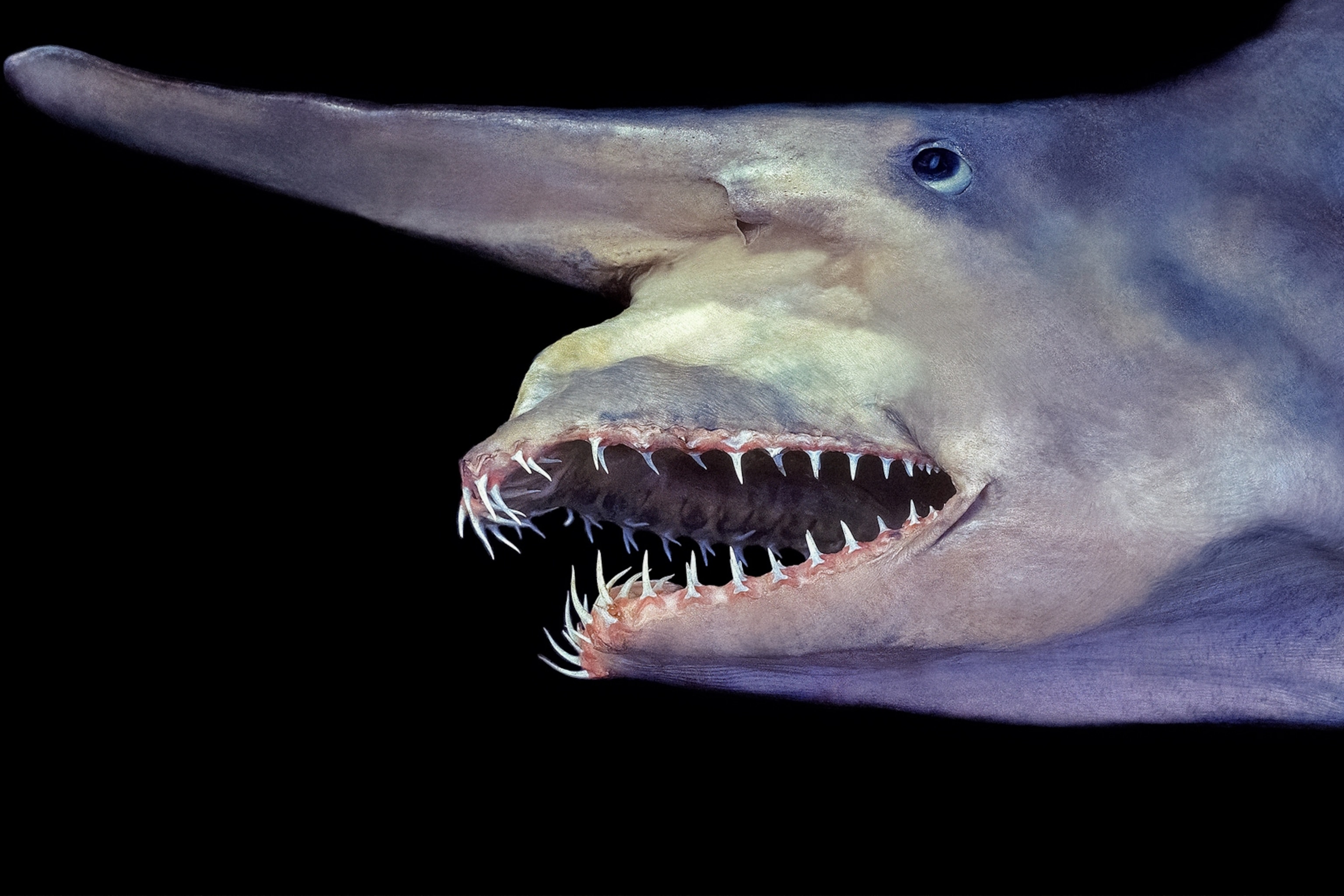
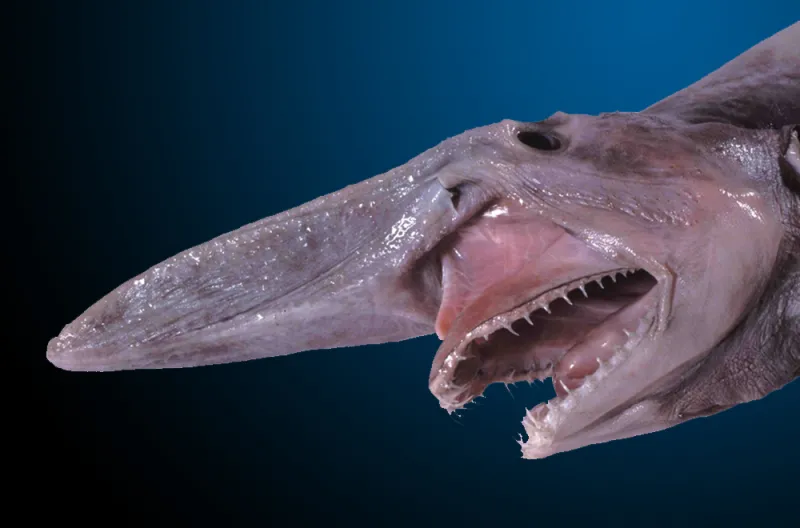
The goblin shark looks like a living fossil. Its long snout is packed with sensory organs, and its jaw can shoot forward like a slingshot to grab prey in complete darkness. Pale, ghostly, and unpredictable, it feels more alien than fish.
Number 9. Fangtooth Fish.


Despite its small size, the fangtooth fish has the largest teeth relative to body size of any known fish. Its teeth are so large they never fit inside its mouth, giving it a permanently horrifying expression.
Number 8. Giant Isopod.

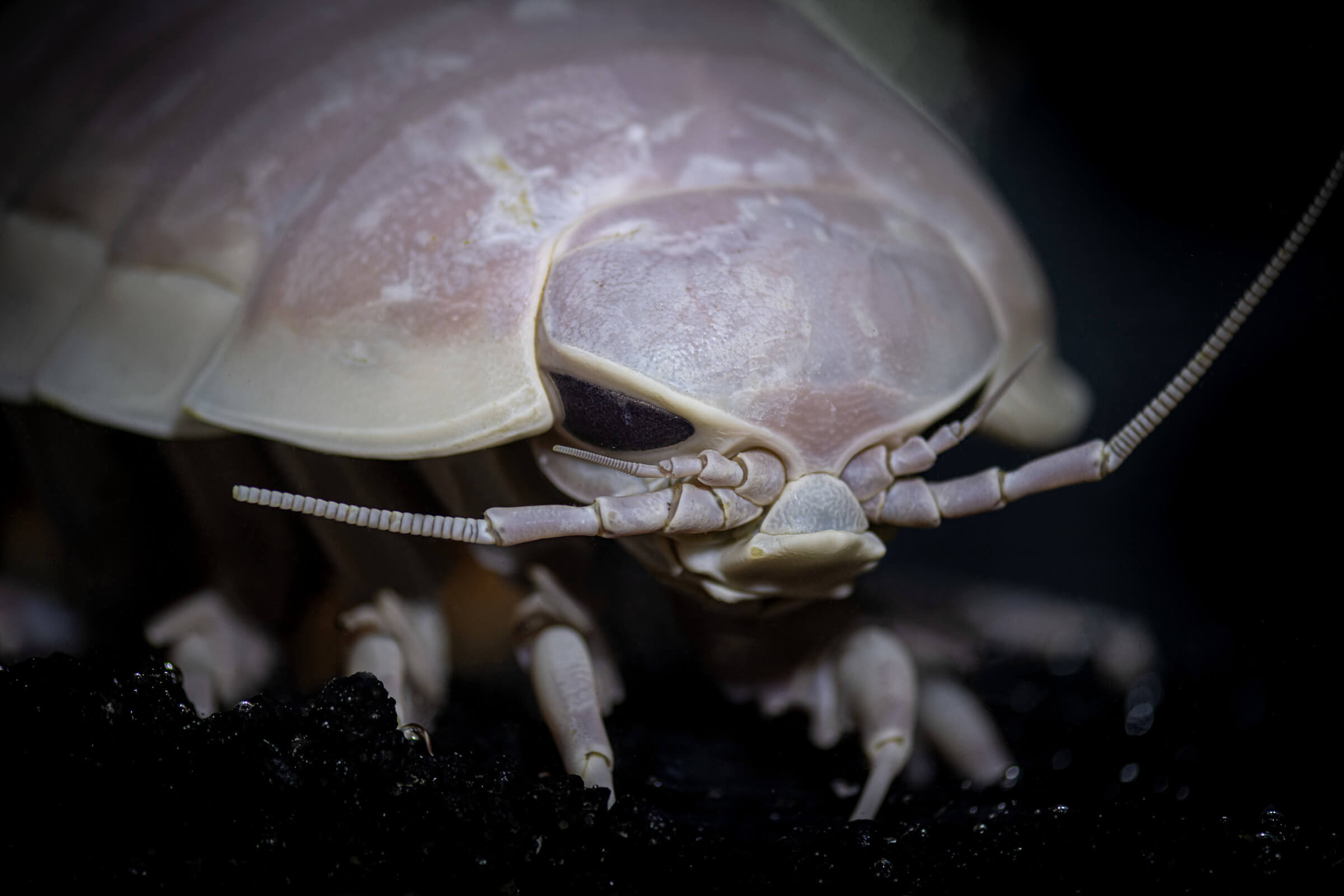
This armored crustacean looks like a massive underwater pill bug. Giant isopods can survive years without eating and slowly crawl the ocean floor, waiting patiently for anything edible to fall from above.
Number 7. Vampire Squid.


The vampire squid isn’t truly a vampire, but it earns its name with its dark red body and cloak-like webbing. When threatened, it curls inward and glows with eerie blue lights, creating one of the strangest defense displays in the ocean.
Number 6. Gulper Eel.
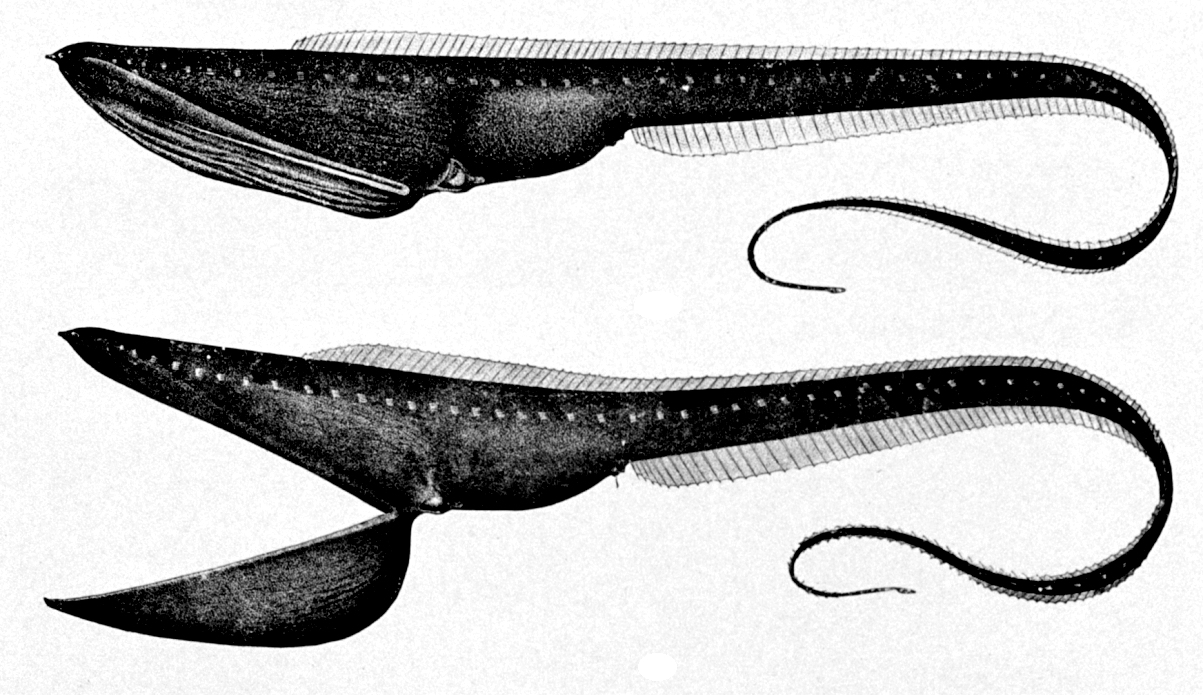
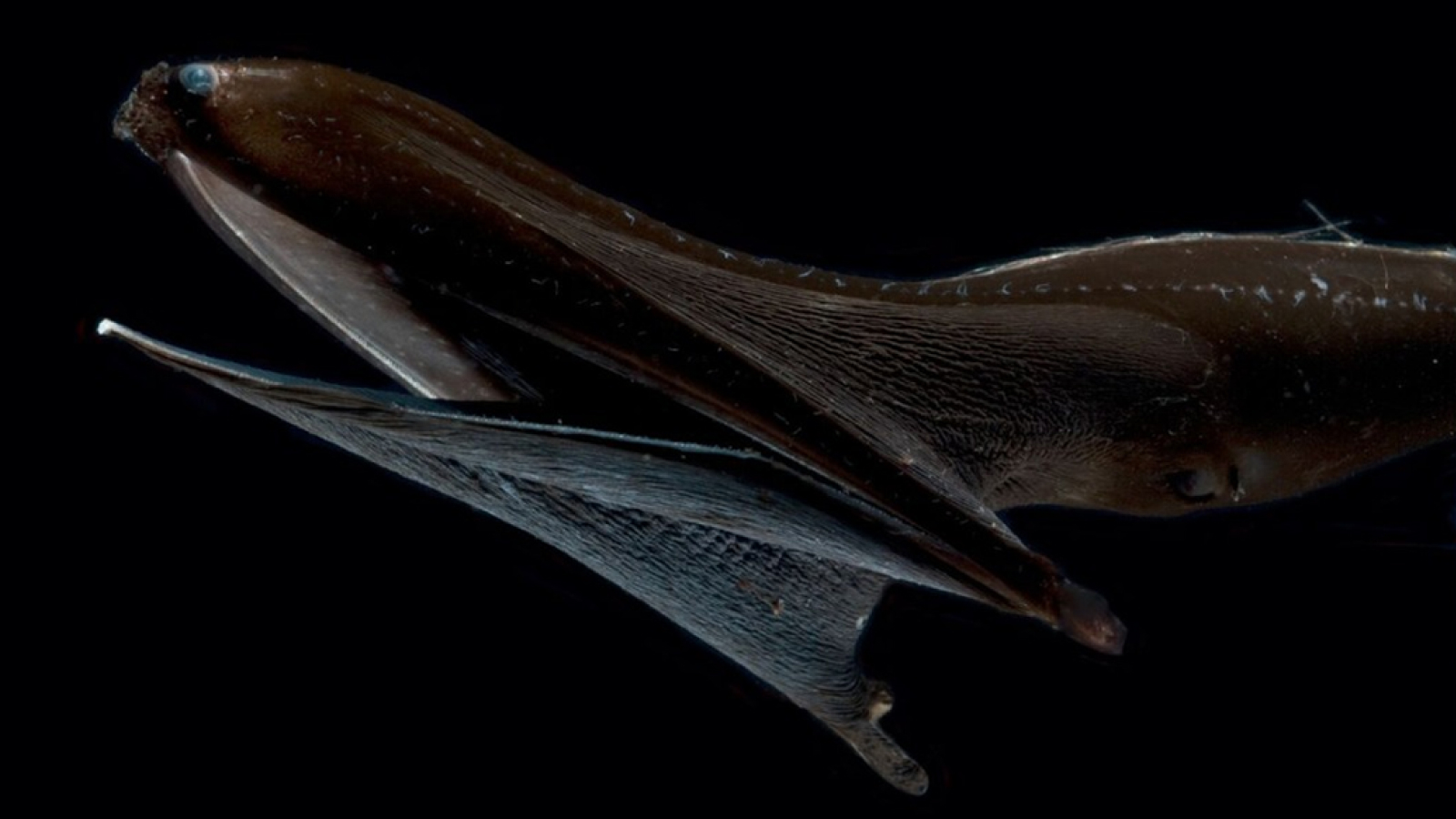
The gulper eel has a mouth so large it looks unreal. It can open wider than its own body, allowing it to swallow prey whole. In the pitch-black deep sea, that massive mouth is a deadly surprise.
Number 5. Frilled Shark.
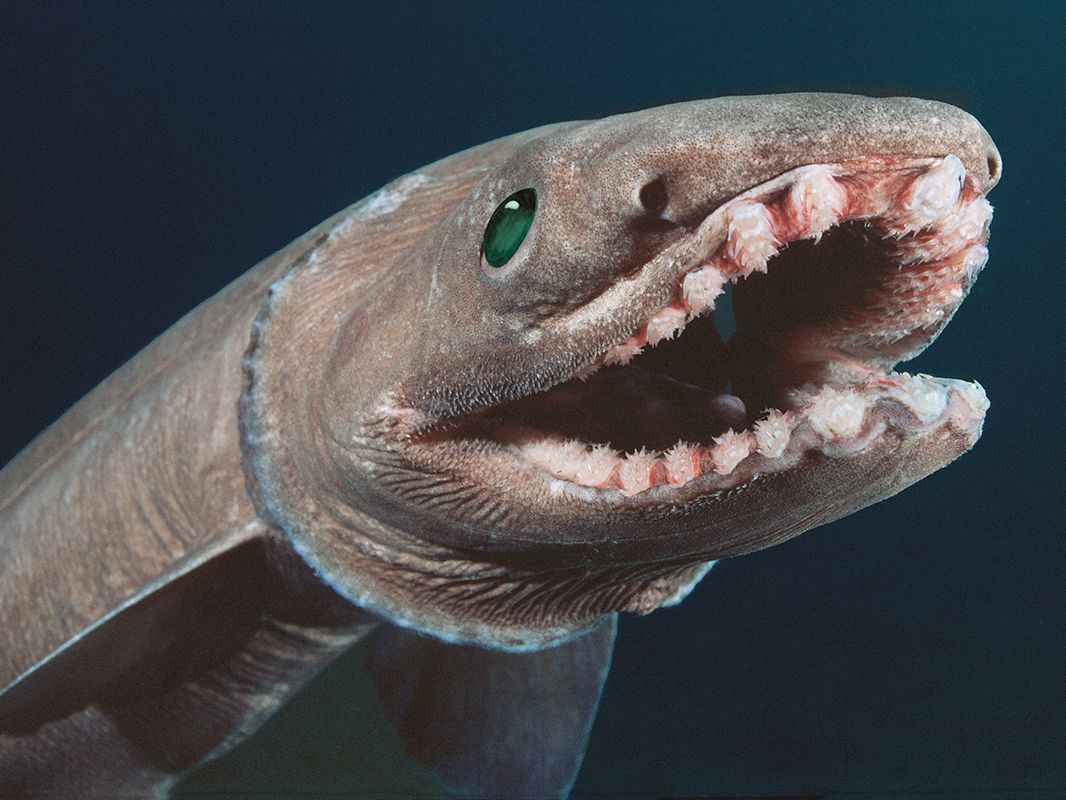
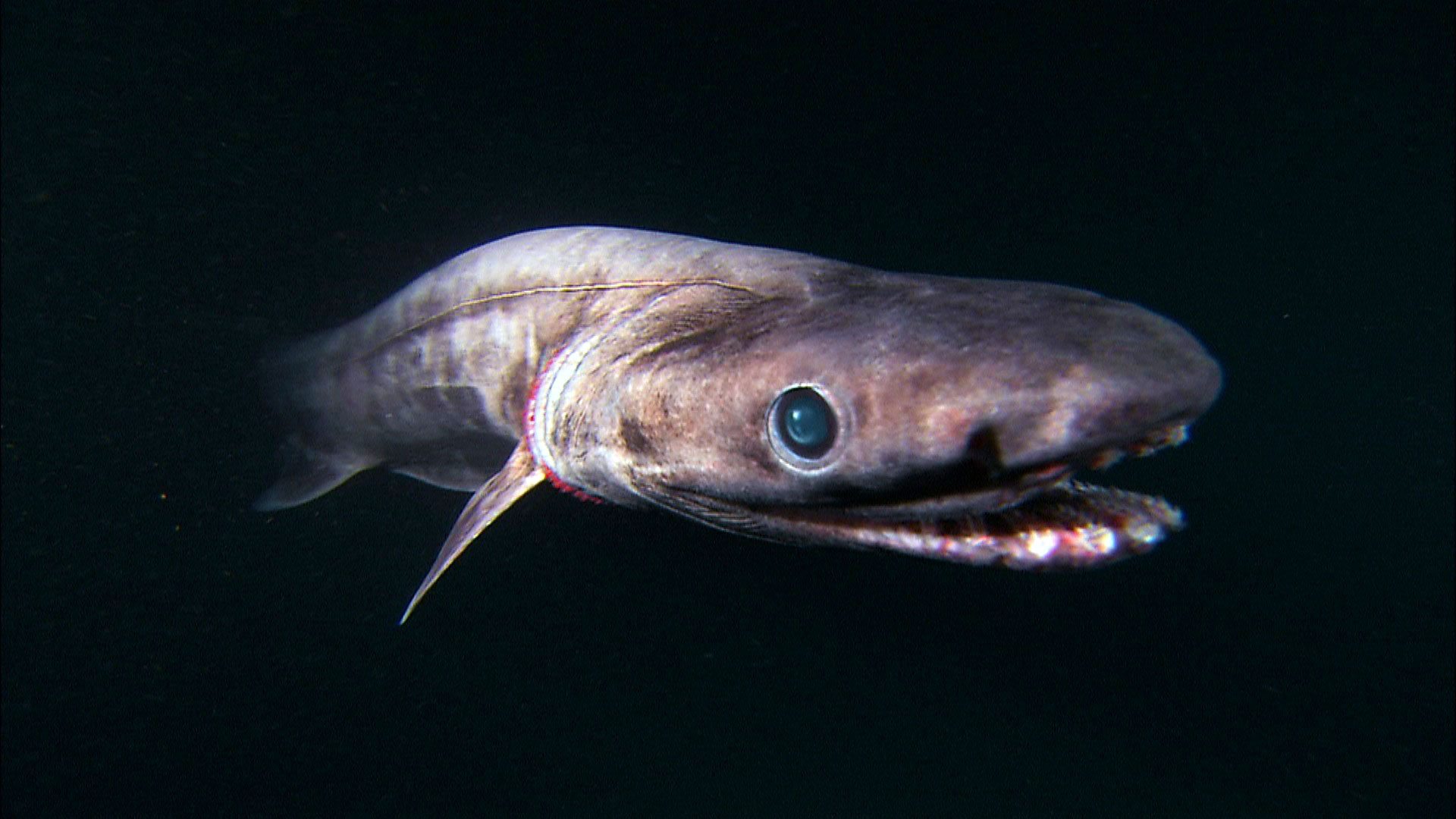
Often compared to a sea serpent, the frilled shark has a long eel-like body and rows of backward-facing teeth. It barely needs to chase prey — once something is caught, escape is almost impossible.
Number 4. Black Dragonfish.
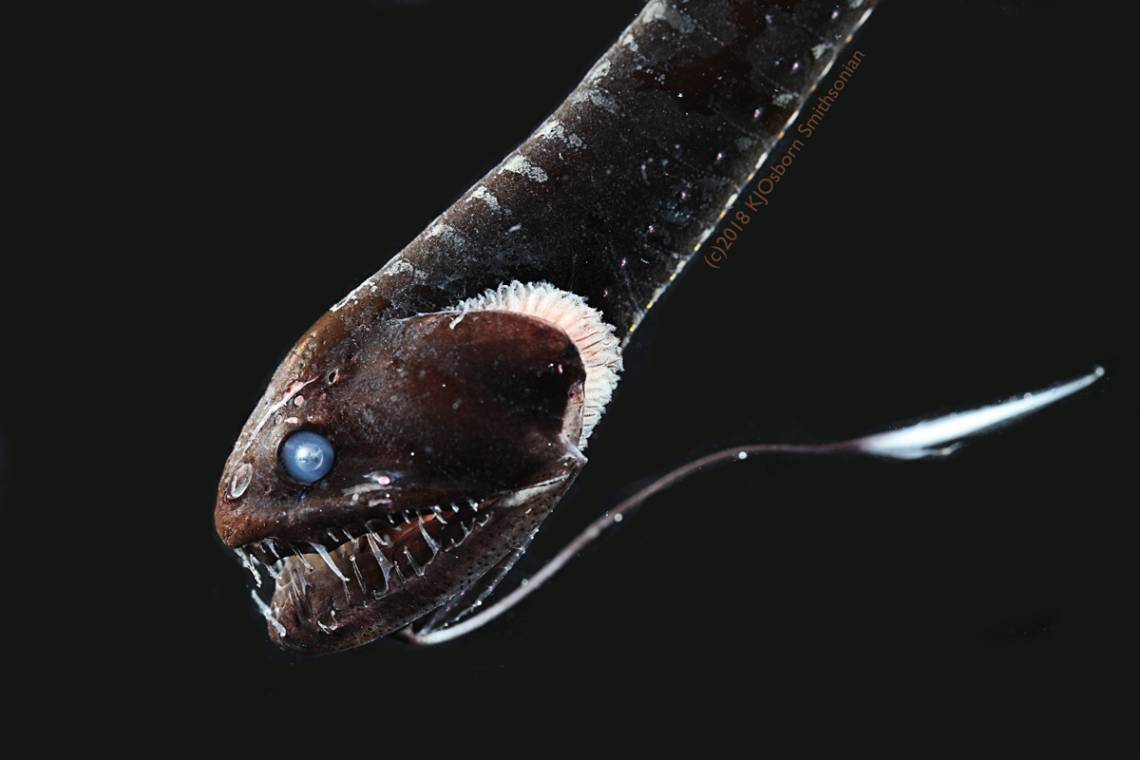

This predator uses bioluminescence to hunt. Even more terrifying, it can produce red light that other deep-sea animals can’t see, giving it a secret night-vision advantage in total darkness.
Number 3. Colossal Squid.
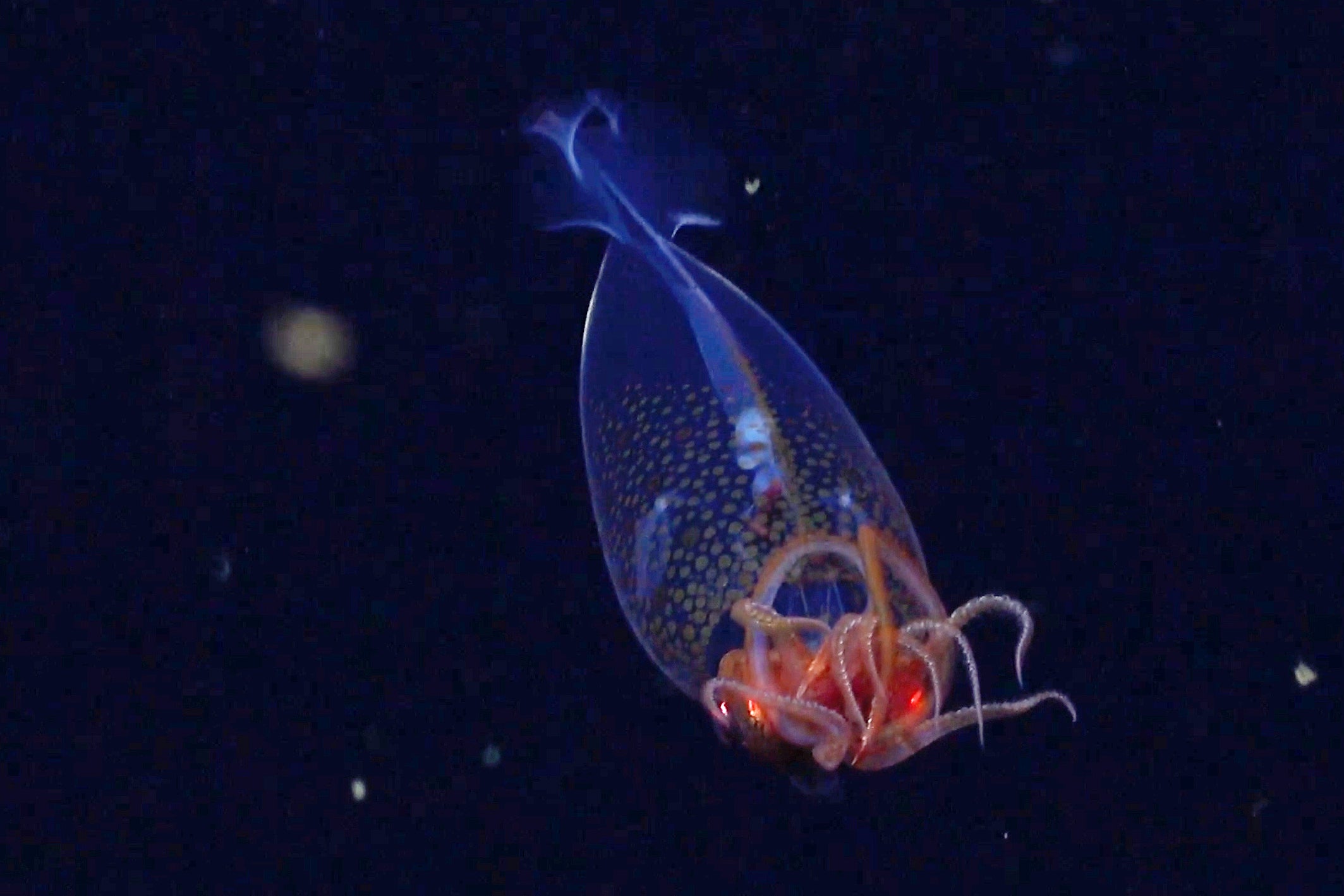
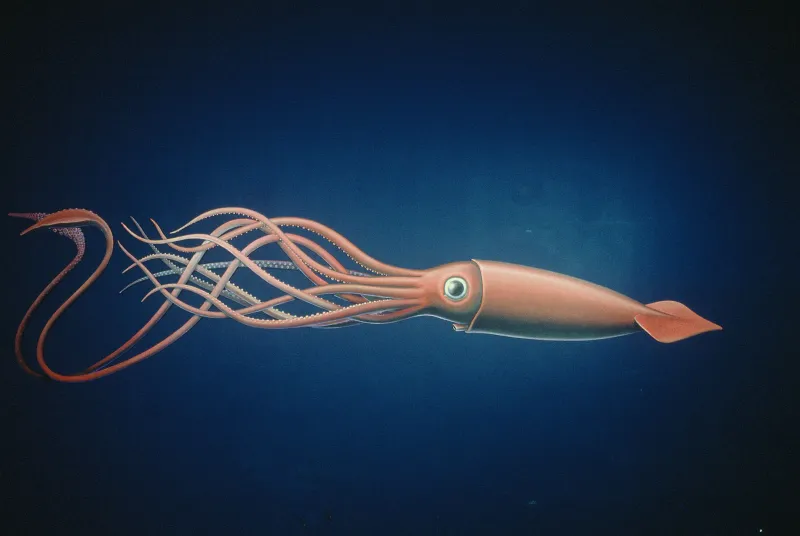
Larger and heavier than the giant squid, the colossal squid is armed with rotating hooks on its tentacles. Its eyes are the largest in the animal kingdom, perfectly adapted for spotting enemies and prey in the abyss.
Number 2. Anglerfish.
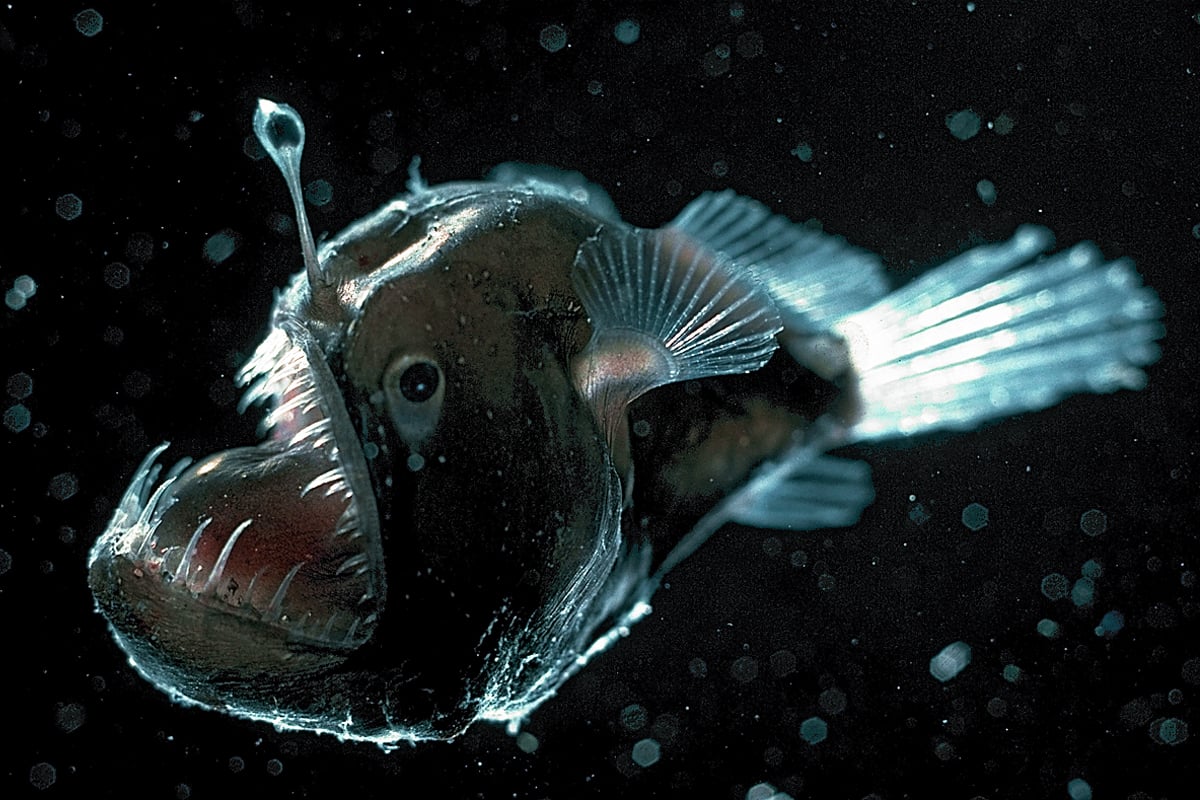
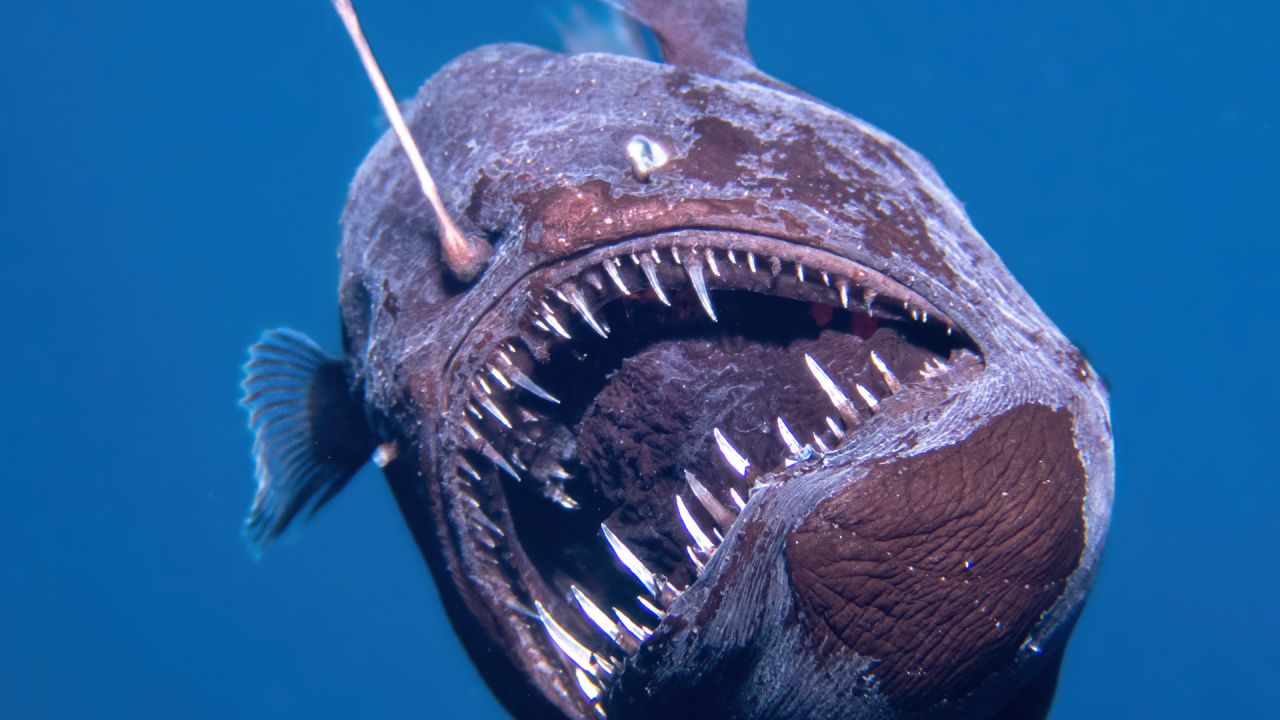
Few creatures are as iconic — or terrifying — as the anglerfish. Its glowing lure attracts prey straight into a mouth filled with needle-sharp teeth. In the deep sea, curiosity is often fatal.
Number 1. Sperm Whale.
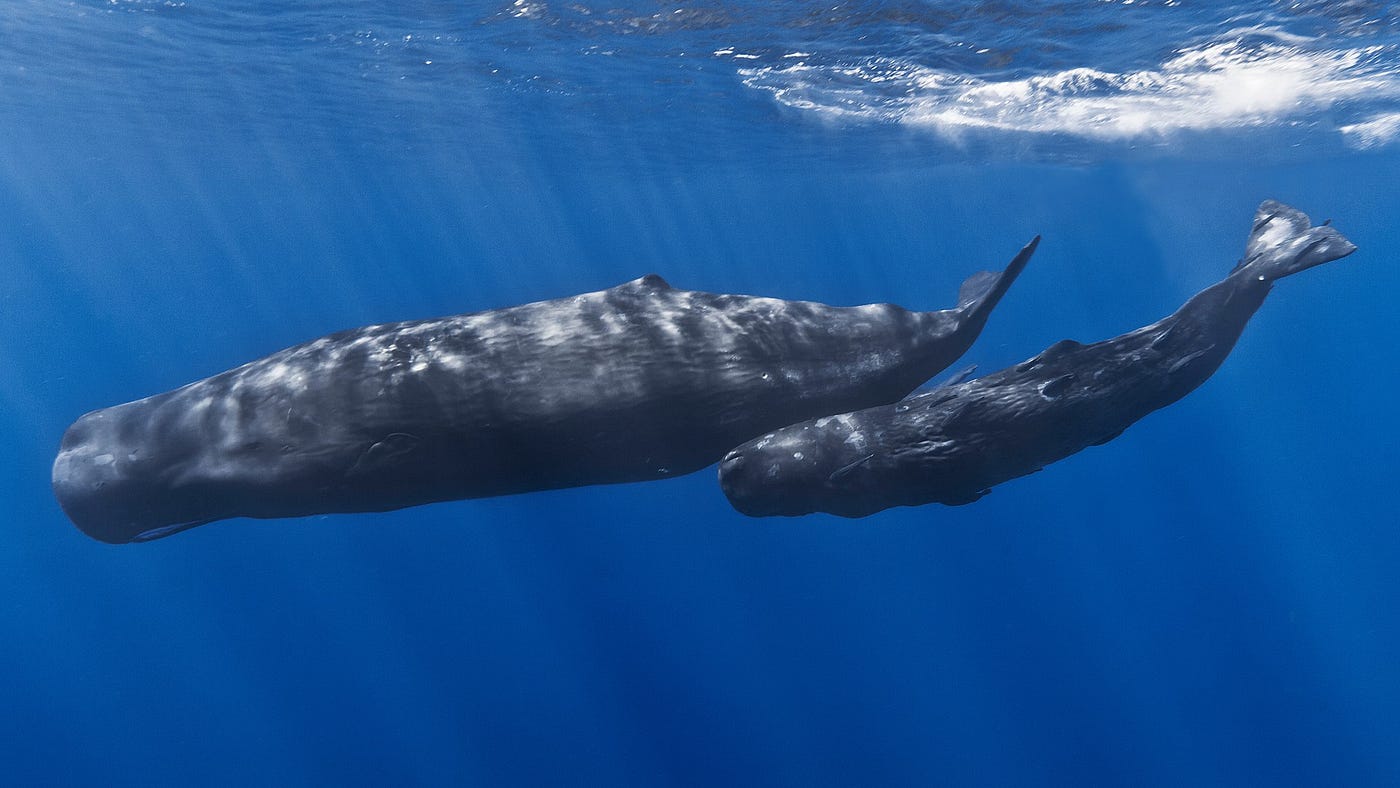

The true ruler of the deep. Sperm whales dive thousands of feet into darkness to hunt giant and colossal squid. Using powerful sonar clicks, they dominate the deep sea like no other creature on Earth.
Why Deep-Sea Monsters Look So Terrifying
Life in the deep ocean follows different rules. With no sunlight, extreme pressure, and limited food, animals evolve bizarre features:
- Bioluminescent lights
- Oversized mouths and teeth
- Ghostly colors and transparent bodies
- Slow, energy-saving movements
What looks scary to us is simply survival at its most extreme.
Frequently Asked Questions (FAQ)
What is the scariest deep-sea creature?
Many people consider the anglerfish or colossal squid the scariest due to their appearance, but the sperm whale is the most powerful deep-sea predator.
Are deep-sea monsters dangerous to humans?
Almost all live far too deep to encounter humans. Attacks are extremely rare, and most of these creatures avoid the surface entirely.
How deep do these animals live?
Most deep-sea monsters live between 1,000 and 10,000 feet below the surface, where sunlight never reaches.
Do deep-sea creatures really glow?
Yes. Bioluminescence is common and used for hunting, communication, and defense in the deep ocean.
Is the deep ocean fully explored?
No. Scientists estimate that over 80% of the ocean remains unexplored, meaning many deep-sea monsters may still be undiscovered.
Final Thoughts
The deep sea is Earth’s last great frontier, filled with creatures that seem pulled straight from science fiction. As exploration technology improves, we’re likely to discover even more monsters lurking in the darkness.
Which deep-sea monster shocked you the most — and would you ever dare to dive that deep? 🌊👀